
Budgeting for Unexpected Home Repairs and Emergencies

Desperate to stop home repairs from wreaking havoc on your bank balance?
We’ve all been there. The boiler packs up, the roof springs a leak and the plumbing gives up the ghost on a Sunday evening. That’s the worst.
But here’s the truly horrifying part…
Repairs are now 61% more expensive than they were just a decade ago
Home repair costs have increased by 61% in the past 10 years, meaning that fixing up your house today is a whole lot more expensive than it used to be.
The good news is that with the right kind of budgeting, you won’t have to let these money emergencies destroy your finances. When it comes to home emergencies and budgeting, it’s all about being prepared to protect your home and your bank balance.
What you will learn
- Why Home Emergencies Are Becoming More Expensive
- How Much to Save for Home Repairs
- The 4 Best Budgeting Strategies That Will Work for You
- Funding Options When Your Savings Aren’t Enough
Why Home Emergencies Are Becoming More Expensive
Before we get into the solutions, let’s just face some numbers for a moment.
According to 2024 data from an insurance company, a massive 83% of homeowners have had to deal with unexpected repairs during the year, which is nearly double the previous year’s 43%. Water damage, roof issues and broken windows are in the top three most common and expensive home repairs.
But wait, it gets worse…
Nearly half of the homeowners (47%) had to spend over £5,000 on the issue. With labour costs and materials both on the rise, and older homes needing more work than ever before, it’s not really surprising.
The average age of a home in many countries now exceeds 40 years, which means that repairs are not just likely; they’re almost a given.
Not too pleasant to consider right? Fear not though. We’ve got some strategies to help with that.
How much should you be saving for home repairs?
This is where most homeowners go wrong.
There’s an easy rule of thumb that applies really well for home repairs, tips and advice that are often missed by first time buyers. Financial advisors suggest you should aim to save between 1-3% of the value of your home each year, for maintenance and repairs.
Here’s what that means in practice:
- £200,000 home = £2,000-£6,000 per year
- £300,000 home = £3,000-£9,000 per year
- £400,000 home = £4,000-£12,000 per year
But that’s for routine maintenance.
In an emergency? A separate fund of at least £5,000-£10,000 is advised. For older properties or in extreme weather areas, it would be wise to plan for more. For some, when those dreaded urgent repairs come around and savings aren’t enough, some turn to a bridging loan broker for fast funding while longer term solutions are arranged.
The key is to have a separate home repair fund from your normal emergency savings.
The 4 coolest budgeting strategies that work
Okay so here’s the deal with budgeting for home repairs…
It’s all well and good saying you need to budget for it but the only way to do it is to do it. Doesn’t sound too hard, but only around 20% of homeowners actually set money aside for maintenance. The others just wing it.
And that’s a recipe for disaster.
Automatic Transfers
Setting up automatic transfers from your current account to a separate savings account is one of the easiest ways to build your home repair fund.
Why? Because it’s automatic.
£50 to £100 per month? It doesn’t seem like much, but over the year, that’s £600-£1200 ready and waiting for the next emergency. It’s the consistency that counts. Smaller regular amounts are better than sporadic big ones.
Create a Sinking Fund
A sinking fund is different from an emergency fund.
Think of it this way; An emergency fund is for unexpected disasters. A sinking fund is for big, predictable expenses you know are coming.
Your roof only has 20 years of life left? Start sinking now for its eventual replacement. Your boiler is 10 years old? Start a sinking fund before it fails and leaves you with no heating.
It takes the sting out of the cost and spreads it over time, instead of one big hit when the repair finally comes.
Keep Track of Your Home’s Age and Condition
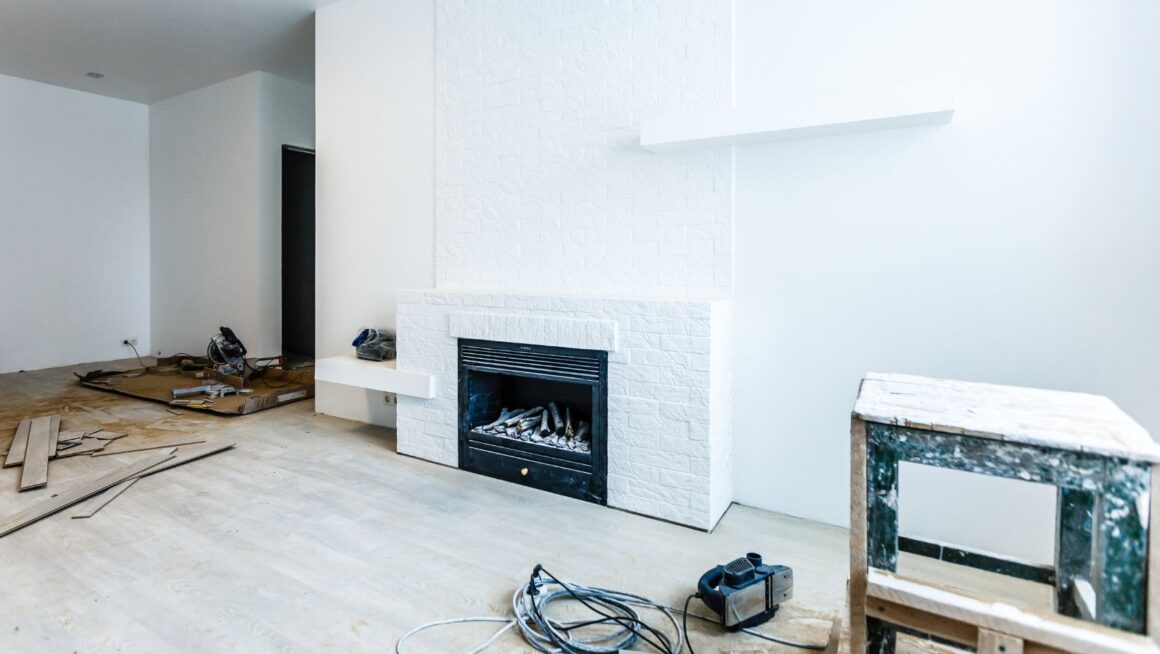
Not all repairs are a complete surprise.
Every major system and component in your home has an average lifespan. The trick is knowing when something’s nearing the end of its life so you can prepare financially.
Take a look at this:
- Boilers: 10-15 years
- Roofs: 20-30 years
- HVAC systems: 15-25 years
- Water heaters: 8-12 years
- Windows: 15-20 years
For something that’s getting old, start sinking hard. The end of life is coming for that part of the house. Prepare for it.
Prioritise High-Cost Repairs
Not all repairs are equal. Some are just more expensive than others.
Foundation issues can run £5,000 to £20,000. Roof replacements often cost between £8,000 and £12,000. Electrical rewiring isn’t cheap either. Prioritise your savings for the most likely and most expensive repairs.
It’s always cheaper to prepare in advance.
Funding options when your savings aren’t enough
Now sometimes emergencies will come up before your savings are ready.
And sometimes, it happens to all of us. The key is to know your options before the emergency happens.
Home Insurance
First things first, check your policy. Some home emergency repairs may be covered by your home insurance. Burst pipes often are. Storm damage to your roof? Also usually included.
But never assume that anything will be covered. Know your excess and read the small print.
Home Equity Options
Equity in your home? You may be able to borrow against it. Home equity loans and lines of credit often have lower interest rates than personal loans or credit cards.
But remember…
If you can’t repay, you risk your home. So be smart about how much you borrow and have a repayment plan in place.
Personal Loans
Unsecured personal loans can provide fast funding for emergency repairs when you need it. Rates vary greatly depending on your credit score, so shop around.
And many lenders offer same day or next day funding when you’re in a real pinch.
Government Assistance
It depends on your circumstances, but in some cases, there are government grants and schemes available. Energy efficiency upgrades, essential repairs for vulnerable homeowners, and disability adaptations are often eligible.
See what’s available in your area before ruling it out.
Making it all work together
Let’s just take a step back for a moment and make this clear…
The most successful homeowners when it comes to handling repairs aren’t necessarily the richest ones.
They’re the ones who are the most prepared.
A good home repair budget will have multiple layers working in tandem. Automatic regular savings. Sinking funds for larger predictable expenses. Home condition knowledge. And backup options for when it’s truly an emergency.
All working in harmony. That’s the secret.
Wrapping It Up
Budgeting for those pesky, unexpected home repairs isn’t sexy or glamorous. But it’s one of the smartest financial decisions any homeowner can make.
So here’s a quick recap:
- Save 1-3% of the value of your home each year for maintenance
- Build a separate emergency repair fund of £5,000-£10,000
- Make use of automatic transfers to save painlessly
- Set up sinking funds for larger, predictable repairs
- Know your backup funding options in advance for real emergencies
Home repairs are a fact of home ownership. But they don’t have to become financial emergencies.
So start saving for that repair fund today. You (and your future self) will thank you.
About The Author

 DIY Projects That Add the Most Value to Your Home
  Before & After: Garden Annexe Transformations That Add Value to Your Home
  Comprehensive Plumbing Maintenance Checklist for Homeowners