
Building Information Modeling and Site Surveys: A Smarter Approach to Design
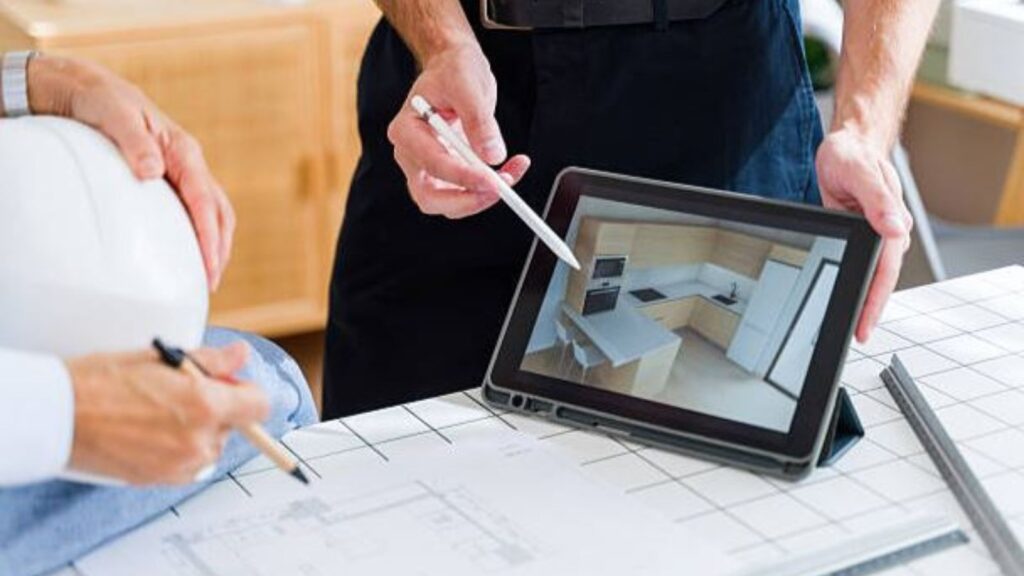
Have you ever looked at a building plan and thought, “How do engineers and architects make sure everything fits perfectly on the real site?”
Because honestly, a drawing on paper is one thing, but the actual site has its own story.
That’s where Building Information Modeling (BIM) and site surveys come in. When these two work together, design becomes more accurate, clearer, and much more confident from day one.
In today’s construction and design work, BIM and site surveys are like a solid team.
One brings the digital model, the other brings real site data. And when both match properly, the entire project feels more organized and more professional.
What Building Information Modeling Really Means
BIM is a method where a building is created digitally, but not just as a 2D drawing. It becomes a full 3D model that includes important details like materials, sizes, structure, and even building systems.
It’s like making a digital version of the building before the first brick is placed.
BIM is used by architects, engineers, contractors, and project teams. It helps everyone stay on the same page because the model becomes a shared reference point.
BIM Is More Than Just a 3D Model
Many people think BIM is only about 3D visuals. But BIM is more about information. That’s why the name includes “Information Modeling.”
A BIM model can include:
- Room sizes and layouts
- Structural elements like beams and columns
- Electrical and plumbing routes
- HVAC planning
- Material details
- Project phases and timelines
Because of this, BIM is useful at every stage of a project, from early planning to final handover.
What Site Surveys Do in a Construction Project
A site survey is the process of collecting accurate information from the real location where the building will be built or renovated. It provides essential data that supports effective Space Planning by helping the design team understand what the site truly looks like, including levels, boundaries, existing structures, and physical conditions.
Site surveys are done using tools like total stations, GPS equipment, drones, and laser scanning. The goal is to capture accurate measurements and site details so design decisions can be made with clarity.
Site Surveys Bring Real-Life Accuracy
The biggest value of a site survey is that it removes guesswork. It gives the team confidence.
A site survey may include:
- Land boundaries and plot dimensions
- Ground levels and slopes
- Existing buildings and structures
- Trees, roads, and access points
- Utility locations
- Site features that affect design
When this data is collected properly, the design team can work with real measurements, not assumptions.
Why BIM and Site Surveys Work So Well Together
BIM gives you the digital design, and site surveys give you the real site details. When you combine both, the design becomes more realistic and more aligned with actual conditions.
This combination is becoming a preferred approach because it helps teams plan smarter and design with fewer surprises.
A Simple Example to Understand the Connection
Imagine you are planning to build a house on a plot. If you only use BIM, you might design a beautiful structure. But if the site has a slope or a boundary issue, the design needs adjustment.
Now, imagine you have survey data. You bring that into BIM using 3D BIM modeling services. Suddenly, the model fits the land properly. That’s the magic of combining these two.
How Survey Data Fits Into BIM Models
After the site survey data is collected, it can be converted into formats that BIM software can use. This can include point clouds, terrain models, and accurate base drawings.
Once the data is imported, the BIM model can be built around it. This creates a design that respects real site conditions.
Point Clouds Make Site Details Very Clear
A point cloud is a digital capture of the real site, created through laser scanning or photogrammetry. It looks like millions of small dots that together form the shape of buildings, surfaces, and objects.
Point clouds help teams:
- Model existing buildings accurately
- Plan renovations with better clarity
- Create accurate layouts for complex sites
- Match design elements with actual conditions
This is especially useful for renovation projects where existing conditions matter a lot.
Better Design Accuracy From the Start
When BIM uses survey data, the design becomes more accurate from the beginning. This is helpful for architects and engineers because it allows them to plan layouts, structures, and systems with better confidence.
Instead of adjusting things later, the team can make smart design choices early.
It Helps the Team Make Faster Decisions
When the site is already mapped and included in BIM, many design questions get answered quickly.
For example:
- Where should the building sit on the plot?
- What is the best entrance location?
- How will drainage and slope work?
- What is the best way to plan parking or access?
This kind of clarity saves time and makes the project feel more under control.
Easier Coordination Between Teams
Construction projects involve many people: architects, structural engineers, MEP engineers, and site teams. When each team works separately, coordination becomes harder.
But when BIM and survey data are combined, everyone works from the same accurate base.
A Shared Model Creates Better Teamwork
A shared BIM model helps teams coordinate without confusion. Everyone can see the same layout, the same levels, and the same site conditions.
This is helpful for:
- Structural and architectural alignment
- MEP routing and spacing
- Planning equipment placement
- Understanding site access and working space
It makes teamwork smoother and communication clearer.
Better Planning for Renovation and Existing Buildings
Renovation projects are one of the best use cases for BIM and site surveys together. Because in renovations, you are not starting from scratch. You are working with an existing structure.
Survey tools like laser scanning can capture the exact shape and dimensions of the current building. This can then be used to build an accurate BIM model.

Renovation Projects Feel More Organized With BIM and Surveys
With accurate site and building data, renovation planning becomes easier. The team can plan changes without confusion.
It also helps in:
- Space planning
- Structural updates
- MEP upgrades
- Interior design layouts
- Facility management planning
This is why many renovation projects now use scan-to-BIM workflows.
A More Confident Approach for Complex Sites
Some sites are simple flat plots. But many sites are complex. They may have uneven ground, nearby buildings, restricted access, or multiple existing elements.
In these cases, BIM combined with survey data becomes very valuable.
It Helps Designers Respect Real Site Conditions
When designers see the actual site conditions inside the BIM model, they can create designs that match the site naturally.
This leads to:
- Better building placement
- Smarter slope and drainage planning
- Cleaner site circulation
- More practical design choices
It also makes the final design look more realistic and well thought-out.
How This Helps During Construction
BIM is not only for design. It also supports construction planning. When survey data is included, construction teams can use the model to understand real site layout and levels.
This supports better site execution and planning.
Construction Teams Get Clear Visuals
A BIM model with survey data helps construction teams visualize what will happen on the ground. It makes site planning easier.
It supports:
- Setting out work
- Understanding building levels
- Planning material movement
- Managing site access
- Coordinating different trades
When construction teams see a clear model, they work with more confidence.
Better Communication With Clients and Stakeholders
Not everyone understands technical drawings. Clients, property owners, and stakeholders often prefer visuals that feel realistic.
BIM models are easier to understand, and when survey data is included, the model looks closer to the real site.
Visual Clarity Builds Trust
When a client sees a design placed accurately on their actual plot, it feels more real. It builds confidence.
They can understand:
- How the building sits on the land
- How access points work
- How much open space is available
- How site features are handled
This makes discussions smoother and decisions faster.
Future-Friendly Design Work
The construction and design industry is moving toward more digital workflows. BIM and modern surveying methods fit perfectly into this direction.
Survey tools are improving every year, and BIM platforms are becoming more advanced. Together, they support smarter planning and more accurate building design.
Digital Design Helps Projects Stay Organized
When everything is documented digitally, project teams can track changes, manage versions, and store information properly.
This supports:
- Better record keeping
- Better collaboration
- Better long-term building management
- Cleaner project documentation
It also makes future upgrades and maintenance planning easier.
Final Thoughts
Building Information Modeling and site surveys together create a smart, practical, and confident approach to design. BIM provides a clear digital model, and site surveys provide accurate real-world data.
When combined, they help teams design with better accuracy, coordinate more smoothly, and communicate more clearly with everyone involved. For modern projects, this approach makes design and planning feel more organized, more realistic, and more aligned with the real site from the very beginning.
About The Author

 How to Match Your Dining Table With Your Chairs?
  Why a Fresh Coat of Paint Can Breathe New Life into Your Northeast Ohio Home
  How Color Changes the Mood of a Living Space?