
Create Home Portrait Galleries: Unique and Modern Ways to Hang Photos and Artwork
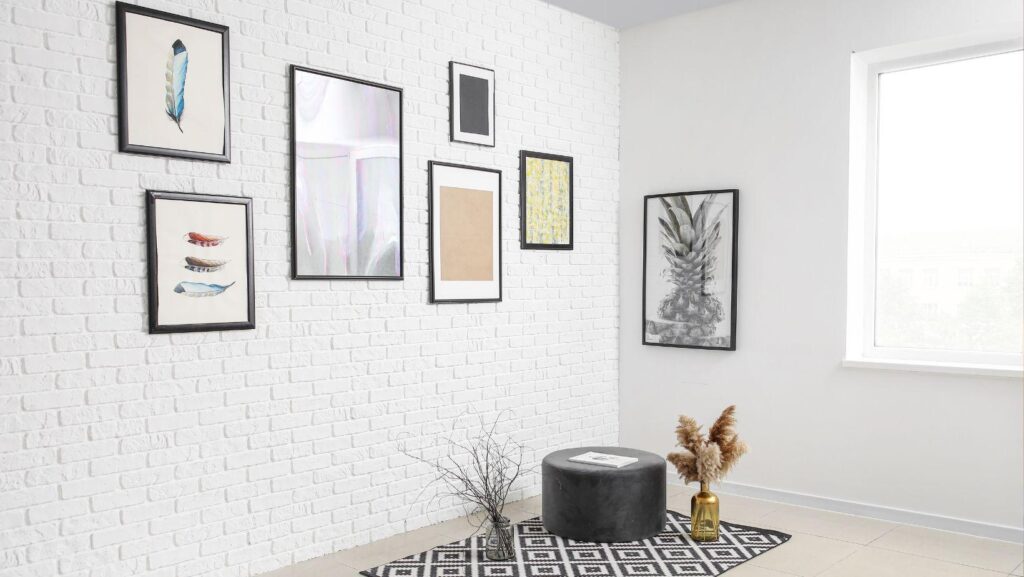
62% of homeowners in the US and UK said they would prefer to hang photography as their wall decor, and 49% chose landscapes. In the report shared by Buildwork, people decorate walls with art to make spaces feel personal rather than to increase the home’s value. Family photos, nature paintings or drawings, and travel mementos don’t just transform bare walls into visually stunning focal points. They showcase one’s unique personality, style, and creativity. While hanging picture frames on a straight line has been the golden rule for decades, it’s no longer the key for attractive displays. Today, home galleries feature asymmetric clusters, floating ledges, and floor-to-ceiling layouts in different rooms and unexpected locations. Whether you’re seeking ideas for telling your story through art and photos in the living room or hallway, this post offers creative tips for hanging portraits.
Display Photos Asymmetrically
It’s safe to stick to symmetrical arrangements that offer balance and visual harmony. But asymmetrical picture galleries still make spaces feel relaxed when done correctly. Start with a large statement photo or painting. It could be a personal photo, a treasured family portrait, and framed drawings that draws the eye to the wall while setting the tone for all the pieces on display. Then arrange smaller pictures around it. Maintain consistent gaps of 2 or 3 inches between frames to create a clean, intentional look. Your gallery’s layout should complement your home’s architecture. So, embrace horizontal and vertical layouts. Vertical photo arrangements, for example, will not only draw the eye upwards but also make the space feel taller. Horizontal layouts enhance style, especially when done above sofas in the living room or in long hallways.
Mix Your Frames
Mixing frames on your gallery wall is a smart approach for designing modern and interesting spaces. You can mix frame shapes to add contrast and create a focal point. For example, pair a collection of custom square frames with one large oval frame or place a large oval frame inside a grid of tiny squares. You’ll create a dramatic look through sharp geometric distinction. Play with frame materials for a more dramatic feel as well. A heavy wooden square frame blends with a sleek metallic or brass oval, for example. You could also mix a group of vintage gold square frames with contemporary black metallic ones to add texture and visual interest.
Remember to find balance so your pieces appear curated rather than accidental or chaotic. Choose one variable at a time. For instance, if you want to mix two or three frame shapes, keep the color consistent. If you’re mixing frame colors, the shape and size should remain constant. You can still vary two elements at once. But you’ll need a strong unifying element in the art, like a single color running through your entire collection or repeated matting throughout the arrangement. For example, when combining black and metallic frames, choose monochromatic (black and white) photo shots.
Design a Full Wall Photo Arrangement
Don’t limit your art display to your eye level. Use the entire wall, from the floor to the ceiling and see your wall turn into an immersive artwork showcase. Creating a captivating floor-to-ceiling portrait showcase requires careful arrangement to avoid common wall gallery mistakes. Instead of arranging photos from the floor up or ceiling downwards, start in the middle at your eye level. You’ll need a focus portrait, preferably a large piece that draws attention. Your frames should have matching finishes for a minimalist look. You can mix the style and color of your frames if you want an eclectic style. Refrain from cramming a small space with too many pieces to achieve a cohesive appearance. Leaving a blank or negative space is allowed to prevent the orientation from feeling overcrowded.
Create Floating Portraits
Floating frames create an illusion that your portraits are hovering off the walls and adding depth to interior design. To design art displays that seem to float, layer frames with different sizes on slim wooden ledges or shelves. Mix media elements as well to break up rigid shapes. For instance, blend wooden frames with thin metal clipboards, pressed botanicals, and postcards. Paint your ledges the same color as the wall behind it to strengthen the floating illusion. Don’t be afraid to use transparent sandwich frames that reveal the wall color, making the art appear weightless.
A well-thought portrait gallery adds warmth and personality, turning a bare wall into an exciting conversation starter. Constructing stunning gallery walls is about thoughtful planning, frame selection, and thoughtful photo arrangements. Be sure to mix up frame shapes, styles, and colors. Use free-flow layouts that involve using a large statement artwork to anchor smaller pieces around. You could also float portraits on ledges, arrange photos vertically and horizontally, or use up the entire wall space from the floor to the ceiling.
About The Author

 Top 5 Reliable Garage Door Companies in Bellaire, TX
  The Preventative Home Maintenance Checklist Every North Carolina Homeowner
Should Follow
The Preventative Home Maintenance Checklist Every North Carolina Homeowner
Should Follow  How to Plan and Build a Backyard Fence