
Design Inspirations That Bring a High-End Feel to Contemporary Homes
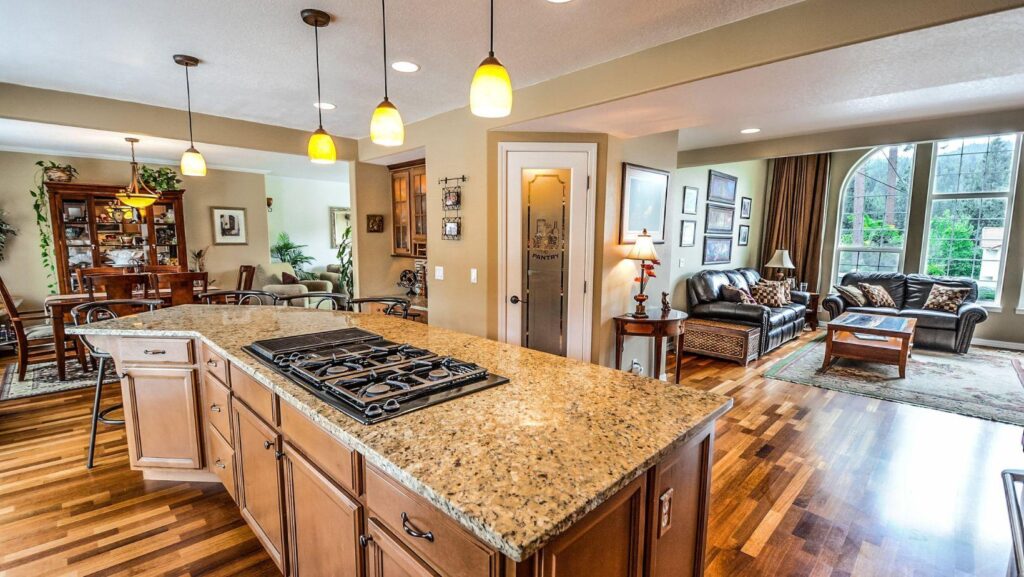
Creating a residence that feels elegant and refined is no longer reserved for sprawling estates or celebrity mansions. Today’s homeowners are embracing thoughtful design principles that make even modest spaces feel polished, inviting, and luxurious. Rather than relying solely on expensive furnishings, many contemporary homes achieve a premium atmosphere through smart layouts, cohesive styling, and carefully selected materials.
From lighting choices to architectural details, every element contributes to an overall sense of sophistication. Whether you’re planning a complete renovation or looking for ideas to refresh your existing space, understanding the features that define upscale interiors can help you create a home that is beautiful and functional. This post examines embracing open and flowing spaces, investing in quality materials and more.
Embracing Open and Flowing Spaces
One of the hallmarks of modern luxury is an open floor plan that encourages movement and natural interaction. Removing unnecessary barriers between kitchen, dining rooms, and living areas creates a sense of spaciousness while allowing light to travel freely throughout the home.
Strategic furniture placement can help define separate zones without interrupting the visual flow. Area rugs, shelving units, and lighting fixtures are effective tools for creating distinction while maintaining openness. The result is an environment that feels welcoming and expansive.
Invest in Quality Materials
Premium homes often stand out because of the materials chosen rather than the quantity of decorative items displayed. Natural stone countertops, engineered hardwood flooring, textured wall finishes, and custom cabinetry provide lasting value while enhancing visual appeal.
Mixing materials thoughtfully can also elevate the design. Paring warm wood with sleek metals or combining matte finishes with polished surface creates subtle contrast that keeps interiors interesting without becoming overwhelming.
Layer Lighting for Maximum Impact
Lighting dramatically influences how a room is perceived. Instead of depending on a single ceiling fixture, contemporary homes often incorporate multiple layers of illumination.
Ambient lighting establishes general brightness, task lighting supports daily activities, and accent lighting highlights architectural features or artwork. Pending lights above kitchen islands, recessed ceiling fixtures, all sconces, and under-cabinet LEDs all work together to create depth and atmosphere.
Dimmer switches further increase flexibility by allowing homeowners to adjust brightness according to the occasion, making spaces feel cozy in the evening and vibrant during the day.
Choose a Refined Color Palette
Neutral colors remain popular for upscale interiors because they create timeless elegance and allow textures to take center stage. Shades of ivory, beige, soft gray, charcoal, and muted earth tones provide an excellent foundation for layering furnishing and decorative accessories.
Accent colors should be introduced with intention rather than abundance. Deep blues, forest greens, or rich burgundy elements can add personality while preserving a sophisticated appearance. Metallic finishes such as brushed brass or black steel also contribute visual interest without dominating the design.
Prioritize Customization and Unique Details
Luxury often comes from exclusivity rather than extravagance. Built-in shelving, tailored millwork, statement staircase, and bespoke storage solutions make homes feel intentionally crafted for their owners.
Many professionals who specialize in immersive environments understand how details influence perception. For example, studying the work of a casino designer such as i5 design can offer insights into balancing lighting, circulation, finishes, and focal points to create visually engaging spaces while maintaining functionality.
Incorporate Statement Architectural Features
A carefully chosen architectural element can become the defining characteristic of an entire room. Vaulted ceilings, oversized windows, floating staircases, exposed beams, or dramatic fireplace instantly capture attention while adding long-term value.
These features do not need to be excessive. Even subtle additions like decorative wall paneling or custom ceiling treatments can transform otherwise simple spaces into memorable environments that feel professionally designed.
Blend Technology with Style
Modern homeowners increasingly expect convenience alongside aesthetics. Smart home technology allows lighting, security systems, entertainment equipment, and climate controls to operate seamlessly while remaining visually unobtrusive.
Hidden speakers, motorized shades, integrated charging stations, and minimalist control panels preserve clean lines and reduce clutter. The best technology quietly enhances everyday life without becoming the focal point of the room. An upscale interior rarely relies on filling every available corner. Instead, furniture is selected carefully to provide comfort, proportion, and visual harmony.
Choosing fewer, high quality pieces often creates a stronger impression than overcrowding rooms with numerous decorative items. Sofas with clean silhouettes, sculptural coffee tables, and upholstered accent chairs can anchor spaces while allowing circulation to remain effortless Scale is equally important. Oversized furniture in a compact room or tiny furnishings in expansive spaces can disrupt balance, making thoughtful planning essential.
Add Texture Through Soft Furnishings
Texture introduces warmth and complexity without requiring bold patterns or excessive ornamentation. Linen curtains, wool rugs, velvet cushions, boucle seating, and woven baskets create subtle variation that enriches interiors.
Layering complementary textures helps prevent neutral color palettes from feeling flat. Mixing smooth leather with plush fabrics or polished stone with natural wood provides visual depth while maintaining cohesion.
Create a Spa-Inspired Bathrooms
Bathrooms have evolved into personal retreats where relaxation and design meet. Frameless glass showers, floating vanities, oversized mirrors, rainfall fixtures, and large-format tiles all contribute to a calming atmosphere.
Simple organizational systems also elevate the experience by minimizing visual clutter. Concealed storage, integrated shelving, and coordinated accessories help maintain a clean, refined appearance throughout the space.
Design Functional Outdoor Living Areas
Luxury increasingly extends beyond interior walls. Thoughtfully designed patios, terraces, and gardens expand usable living space while creating opportunities for entertaining or quiet relaxation.
Comfortable seating, durable materials, subtle landscape lighting, and weather-resistant finishes can transform outdoor areas into seamless extensions of the home. Fire pits, pergolas, and outdoor kitchens further enhance functionality while increasing overall property appeal.
Showcase Art and Personal Collections
Artwork provides individuality and character while elevating the sophistication of contemporary interiors. Large-scale pieces often make stronger statements than numerous small decorations, especially when paired with strategic lighting.
Personal collections should be displayed selectively rather than densely. Curated arrangements create visual breathing room and encourage appreciation of each object while avoiding unnecessary clutter.
Maintain Consistency Throughout the Home
Perhaps the most overlooked characteristics of premium design is consistency. Repeating complementary materials, finishes, and color schemes across rooms creates a unified experience that feels intentional and professionally executed.
This does not mean every room must look identical. Instead, maintaining common design threads allows each space to have its own personality while contributing to an overall sense of harmony. Transitions between rooms should feel natural, with flooring, trim details, and architectural language reinforcing continuity rather than creating abrupt changes.
Endnote
Elevating a residence is often less about lavish spending and more about thoughtful planning and cohesive execution. Carefully selected materials, balanced layouts, layered lighting, and personalized details work together to create spaces that feel timeless and welcoming. By focusing on quality, functionality, and intentional design decisions, homeowners can achieve an atmosphere that reflects enduring style while supporting comfortable everyday living.
About The Author

 Kenneth Stevenson’s Interior Design Articles
  Your Complete Guide to Building a Healthier Room for Better Sleep
  Make Your Bathroom Pop: Quick, Funky Curtain Ideas To Rescue Boring Spaces