
Furnace Repair Calgary: Common Problems, Costs & When to Call a Technician
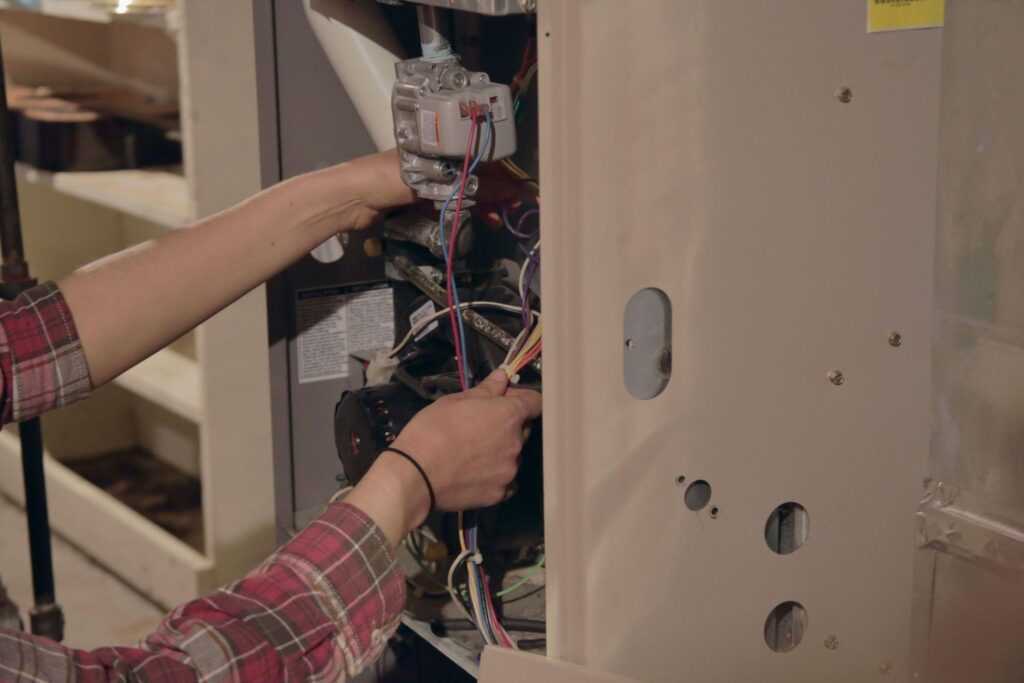
Quick Answer
Most furnace problems in Calgary come down to a few culprits: a dirty filter, a faulty thermostat, ignition trouble, or a worn blower motor. Simple fixes can cost as little as $100, while major repairs climb higher. Basic checks are safe to do yourself, but anything involving gas, wiring, or a strange smell means it’s time to bring in a licensed professional right away.
Introduction
It’s the coldest night of the year, you reach to bump up the heat, and nothing happens. The house is already getting chilly, and you’re left wondering whether this is a five-minute fix or a bill you’ll be dreading. Almost every homeowner faces a moment like this eventually.
Plenty of heating trouble is easier to handle than it looks in that first panicked minute. Knowing what usually goes wrong, roughly what each repair runs, and which warning signs demand a pro can save you real money and a lot of stress. A trusted furnace repair Calgary helps you tell a quick tune-up apart from a genuine emergency.
This guide walks through the usual suspects, honest price ranges, and the red flags that mean you shouldn’t wait. Let’s start with what actually breaks and why.
Common Furnace Problems and Repair Costs in Calgary
Alberta winters push heating systems hard, so parts wear out and small issues snowball fast. The good part is that most breakdowns trace back to a handful of familiar causes. Figure out which one you’re dealing with, and you’ll have a much better sense of whether a quick call will do or whether a bigger bill is coming.
If your furnace is running but the house stays cold, the problem is often minor. A clogged filter chokes airflow. A thermostat left on the wrong setting stops the cycle. A dirty flame sensor can shut everything down as a safety measure. These are the cheapest fixes, and sometimes you can sort them yourself before booking a furnace repair service Calgary homeowners rely on each winter.
The usual culprits
Here are the issues technicians see most often across the city:
- Dirty or clogged filter — restricts airflow, causing weak heat or short cycling
- Thermostat faults — dead batteries or wiring issues that stop the furnace responding
- Ignition or pilot problems — the furnace tries to start but won’t produce heat
- Worn blower motor or bearings — squealing, grinding, or no air movement at all
- Cracked heat exchanger — a serious safety risk that often signals replacement
What you can expect to pay
Costs swing widely depending on the part and the labour involved. The table below gives a realistic picture of local pricing.
| Repair type | Typical cost range | Common examples |
| Minor | $100 – $300 | Filter, thermostat, flame sensor |
| Mid-range | $300 – $800 | Igniter, control board, capacitor |
| Major | $800 – $2,400 | Blower motor, inducer motor, heat exchanger |
| Diagnostic call | $100 – $150 | Inspection and problem identification |
A standard service call usually lands between $150 and $500, with most jobs falling in the mid-range once parts and labour are added. The heat exchanger sits at the painful end of the scale. Because replacing one is so costly, plenty of people put that money toward a new unit instead.
Timing matters too. A weekday afternoon visit costs less than a 2 a.m. scramble, and that gap gets real the moment your system quits during a deep freeze. What happens after the diagnosis is the next piece of the puzzle.
Repair or Replace: Making the Smart Call on an Aging Furnace
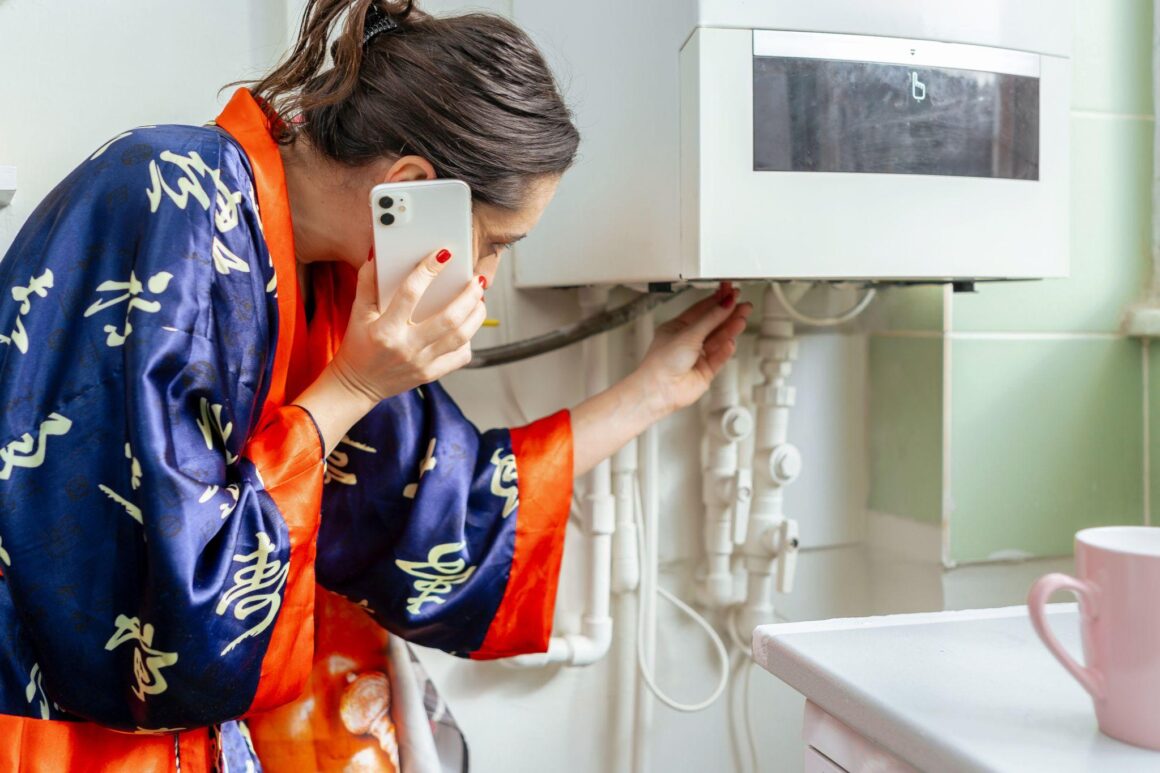
Once a technician names the problem, you’re left with a practical choice: patch it up or start fresh. The right answer hinges on your furnace’s age, how often it’s been acting up, and what the repair costs against a brand-new system.
Age is your best guide. Most systems run well for 15 to 20 years with regular care. If yours is younger than that and the fix is affordable, repairing makes sense. Once a furnace crosses the 15-year mark and needs a pricey part, pouring money in rarely pays off.
Signs it’s smarter to replace
Watch for these patterns that tip the scales toward a new system:
- Repair costs climbing past half the price of a replacement
- Breakdowns happening two or three times in a single season
- Energy bills creeping up despite no change in usage
- A cracked heat exchanger or other major safety failure
Getting help fast when it counts
When heat disappears on a frigid night, waiting isn’t safe. This is where emergency furnace repair Calgary services prove their worth, since many outfits run around the clock and can arrive within the hour. Expect after-hours rates to run 20 to 50 percent above standard pricing, which covers overtime and the urgency of a middle-of-the-night call.
A few habits keep you out of that situation entirely. Book annual maintenance, swap filters every one to three months, and act on odd noises early. Those small steps head off the worst breakdowns. Alberta homeowners can also check the Canada Greener Homes and provincial rebate programs, which help offset the cost of a high-efficiency upgrade. Knowing when to handle things yourself and when to step back brings us to the final word on staying warm safely.
Simple Checks, Safe Limits, and a Warm Winter
A furnace acting up in the middle of a Calgary cold snap is unsettling, but most situations are more fixable than they first appear. When your furnace not working turns out to be a tripped breaker, a dead thermostat battery, or a filter caked in dust, a few minutes of basic furnace troubleshooting can bring the heat back without spending a cent.
The line to remember is safety. Simple checks are fair game, but gas lines, wiring, and internal parts belong to a trained furnace technician Calgary residents can trust. If you ever smell gas, hear loud bangs, or spot a yellow flame, leave the house and call for help right away.
Stay ahead of trouble with regular maintenance, keep an eye on your system’s age, and act early on small warning signs. Do that, and you’ll spend far fewer nights wondering whether the heat will hold.
About The Author

 How to Spot a Valuable Piece of Art at Auction
  How to Choose the Right Hot Water System for Your Melbourne Home
  How to Browse the Kenneth Stevenson Author Archive