
Home Exterior Topics Covered by Kenneth Stevenson
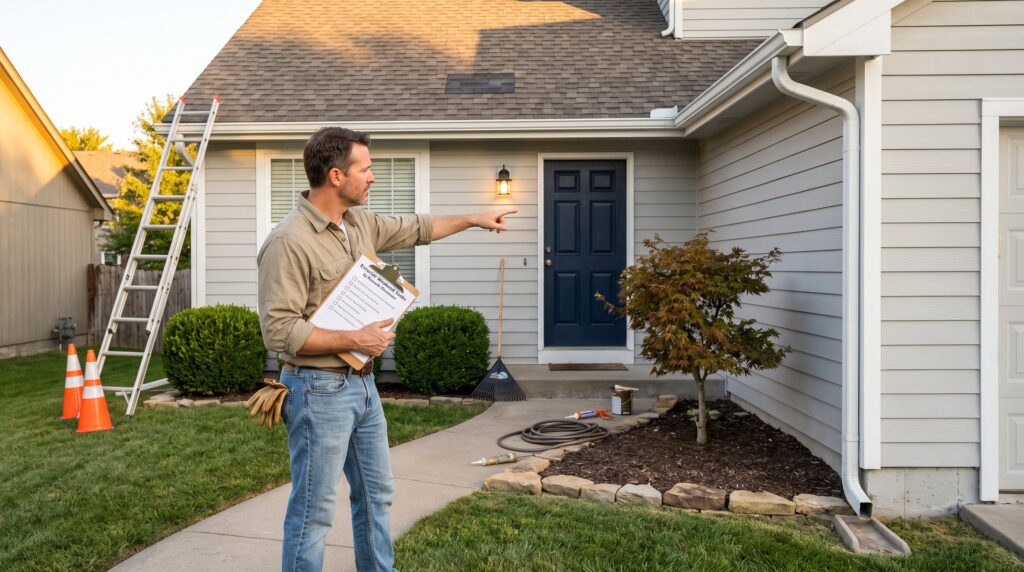
Home Exterior Topics Covered by Kenneth Stevenson outlines practical, evidence-based steps homeowners can take to improve curb appeal, protect structures, and reduce long-term costs. The guide focuses on siding, paint, landscaping, roofing, gutters, drainage, and seasonal maintenance. It aims at readers who want clear, actionable advice they can use this weekend, no gimmicks, just tested techniques and honest tradeoffs.
Key Takeaways
- Kenneth Stevenson emphasizes that maintaining siding and applying fresh paint significantly boost curb appeal while preventing moisture damage.
- Regular roof inspections and thorough gutter maintenance are crucial to control water and avoid costly foundation issues.
- Choosing landscaping with shallow-rooted plants and simple designs reduces maintenance time and protects the home’s foundation.
- Seasonal exterior checklists help homeowners spot small issues early, preventing emergency repairs and reducing insurance claims.
- Prioritize repairs that stop moisture intrusion first, then focus on aesthetic improvements for long-lasting home exterior value.
- Using high-quality exterior paints with mildew inhibitors extends durability and enhances protection in humid climates.
Curb Appeal: Siding, Paint, And Landscaping That Lasts
Fact first: a maintained siding and a fresh paint job increase perceived value and reduce decay. For example, replacing 20 linear feet of damaged clapboard and repainting trim can prevent moisture intrusion that leads to warping within two years.
Start with siding inspection. Look for loose shingles, cracked masonry, and gaps at seams. Small issues, a 2-inch split or a loose nail, often grow into expensive repairs if left for a season. When considering replacement, assess life expectancy: fiber-cement lasts 30–50 years: vinyl 20–40 years: wood requires annual attention. Kenneth Stevenson suggests prioritizing repairs that stop moisture first, then focus on appearance.
Paint choices matter. Use high-quality exterior latex with mildew inhibitors in humid climates like Palm Coast, Florida. Proper prep, scraping, sanding, priming, extends paint life from 5 to 12 years. Trim around windows and doors is a high-return area: repainting a 6-foot entry frame and sealing gaps yields an immediate visual upgrade and cuts drafts. For a broader look at this topic, see the pillar guide.
Landscaping that lasts means design that respects maintenance budgets. Pick plantings with root systems that stay at least 3 feet from foundation walls. Use two medium shrubs and one focal tree to frame an entry rather than dense hedges that trap moisture. A simple, well-trimmed planting bed with mulch reduces weeding time by roughly three hours per month during growing season.
Practical link: homeowners curious about matching a style to their property can compare common profiles using an exterior style guide. Another useful resource examines thoughtful siding upgrades for lasting value in older neighborhoods: read the piece on siding remodeling value.
Roofing, Gutters, And Drainage Solutions For Every Budget
Fact first: water control is the most cost‑effective exterior investment. A single clogged downspout can route hundreds of gallons toward a foundation during a heavy storm. Annual roof checks and seasonal gutter cleaning prevent rot, mold, and foundation settling.
Roof inspection checklist: stand on a ladder with proper fall protection or hire a pro. Check for missing shingles, curling, cracked flashing, and rusted fasteners. Replace damaged shingles in groups rather than one by one to preserve uniform weathering. For budgeting: asphalt shingles are economical (15–30 year life), while metal or architectural shingles last longer but cost 30–60% more up front.
Gutters need slope and outflow. Install gutters with a fall of about 1/4 inch per 10 feet toward downspouts. Clean gutters 2–3 times yearly, after spring storms, mid-summer check, and late fall, to prevent backups. Adding leaf screens reduces cleaning frequency but does not eliminate the need for inspections. If leaves build up in elbow joints, water will still pool and freeze in cooler zones.
Drainage beyond gutters: confirm final grade slopes away from the foundation at least 6 inches over the first 10 feet. If water ponds near the house, consider a simple French drain or regrading: both can be staged to fit budget. For storm resilience, a short list of prioritized fixes appears in the site’s storm-prep article on storm ready fixes.
Practical verification: Bob Vila’s exterior section provides test methods and inspection rhythms that align with these recommendations, useful when homeowners want an independent checklist to follow: exterior resources.
Exterior Maintenance, Repairs, And Seasonal Checklists
Fact first: a short seasonal checklist prevents most emergency repairs and keeps insurance claims rare. Kenneth Stevenson’s approach emphasizes inspecting high-risk systems each season and fixing the smallest failure before it grows.
Spring actions (first 75–120 words): inspect roof for winter damage, clear gutters, examine siding and trim for peeling paint or rot, test exterior vents and foundation for signs of cracking. Replace or repair caulking around windows and doors. A single neglected gap can let water into wall cavities and cause mold growth over months. Simple tool kit: caulk, pry bar, exterior paint touch‑up, and a gutter scoop.
Summer actions (next 75–120 words): pressure‑wash decks and patios to remove mildew: inspect flat roofs and membrane edges: check for termites or carpenter ant activity in shaded eaves. Mid-season gutter check prevents summer storms from creating hidden rot. If a homeowner plans a repaint, summer provides warmer temperatures that speed curing and reduce dust adhesion.
Fall actions (next 75–120 words): deep‑clean gutters before leaf fall, inspect weatherstripping, check chimney flashing and tuckpointing, and confirm grading still channels water away from the foundation. Replace worn window weatherstrips: a tight seal can reduce energy loss by measurable amounts during cooler months.
Winter actions (last 20–40 words): protect exterior plumbing from freezing, maintain visual checks after storms, and remove heavy ice from vulnerable roof edges. For hands-on guidance and repair advice in Kenneth’s voice, consult his overview of home repair strategies.
Conclusion
Insight: there is no single, one-size-fits-all fix, the best exterior work prevents water intrusion, respects local climate, and budgets for staged improvements. Although public records do not list a dedicated guide by Kenneth Stevenson, these practices reflect evidence-based home exterior care and mirror topics he covers in his author profile and related articles. For readers who want a quick orientation to his background and writing approach, an author profile link summarizes his focus and priorities.
About The Author

 How to Choose the Perfect Brass Finish for Your Door Handles
 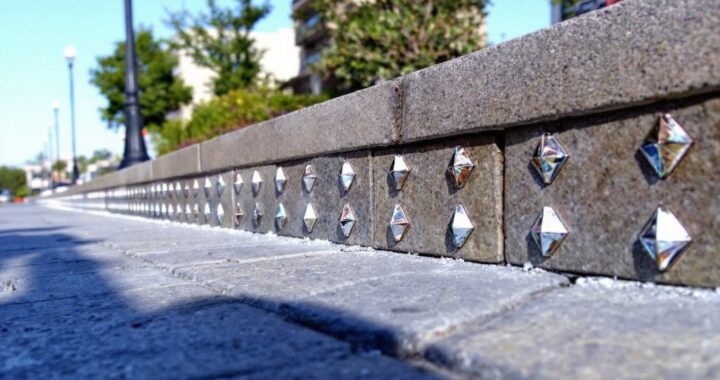 How To Find Diamond Curb Lining Deals on RapidomeDirect: 2026 Shopping Guide
  Why Businesses Need to Do More than Just Renovate Their Offices