
Is Your Home Actually Safe? The Ultimate DIY Skill Every Homeowner Needs
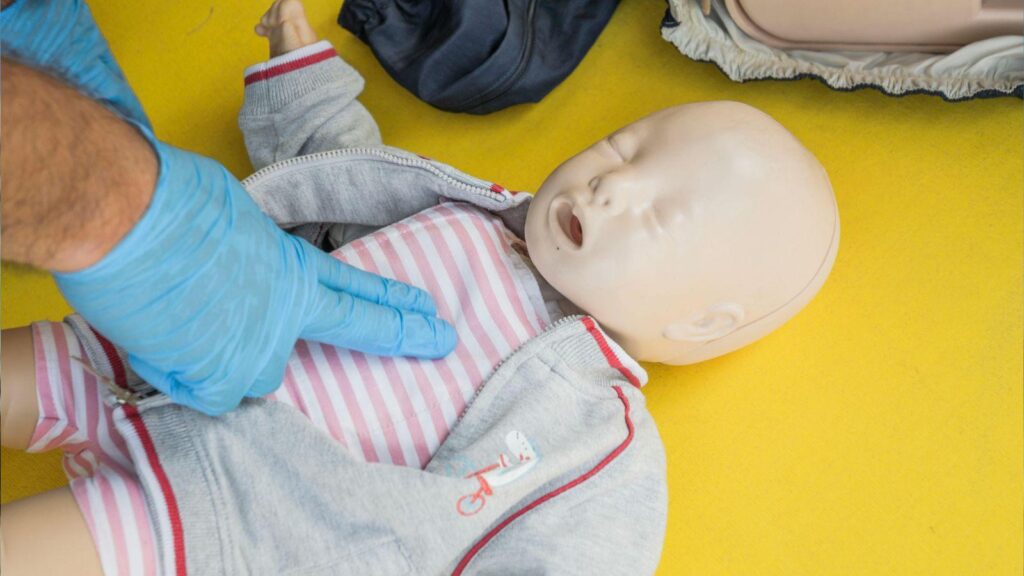
Homeowners spend thousands on smart locks and security cameras, but medical emergencies remain the most common household threat. Learning basic first aid equips you to handle sudden DIY accidents, severe cuts, and cardiac events right in your living room, keeping your family stable before paramedics arrive.
Buying a house is a huge milestone. You instantly start painting walls, updating fixtures, and installing state-of-the-art security systems to keep your family safe. But what happens when the danger isn’t outside trying to get in?
Accidents inside the home happen all the time. A ladder slips while you are cleaning the gutters, a kitchen knife slips during dinner prep, or an older relative suddenly collapses in the hallway. When panic sets in, a security camera won’t help you. Taking a certified CPR AED First Aid class is the single most practical upgrade you can make for your household. It gives you the quiet confidence to handle sudden chaos and literally save a life under your own roof.
What Are the Most Common Injuries Around the House?
We love a good weekend DIY project, but houses are full of hidden hazards. Falls are the absolute biggest culprit. Slipping off a stepping stool or tripping down wooden stairs often results in nasty sprains, fractures, or concussions.
Then you have the kitchen and the garage. Cooking burns are incredibly common, and power tools can cause deep lacerations if you lose your grip for even a second. We also can’t ignore silent threats like sudden cardiac arrest. Most heart-related emergencies happen at home, surrounded by loved ones. Knowing exactly how to spot the physical warning signs, stop a severe bleed, or properly bandage a burn is a core part of protecting your family.
Why Is Immediate Action So Critical?
When a serious accident happens at home, your first instinct is to dial 911. That is exactly what you should do. But we often forget that ambulances take time. Even if you live in a busy suburban neighborhood, emergency crews have to battle traffic, find your street, and get all their gear inside.
During a severe choking incident or a cardiac event, those few minutes feel like hours. Brain damage can start to set in within just four minutes if a person isn’t breathing. If you just stand there waiting, the outcome is rarely positive. By jumping in with chest compressions, you manually pump oxygen to their brain. You act as the vital bridge that keeps them alive until professional medical help walks through your front door.
How Does Blended Learning Work for Busy Homeowners?
Between mortgage payments, yard work, and raising kids, spending an entire weekend trapped in a dull classroom sounds miserable. No one wants to give up their precious Saturday.
Thankfully, safety certification has modernized to fit our chaotic lives. A Blended Learning format is highly convenient. You can complete the interactive theory modules online from your couch after the kids finally go to sleep. Once you finish the digital reading, you simply drop by a local training center for a short, hands-on practice session. You get to practice on professional mannequins, ensuring your physical techniques are sharp and ready for the real world.
If you are looking for first aid training near the ByWard Market district, the bustling corner of Rideau Street and King Edward Avenue, or other areas close to our facility, then you may reach out to Coast2Coast First Aid/CPR – Ottawa in that area. For more info and articles like this visit: https://www.c2cfirstaidaquatics.com/
Frequently Asked Questions
What should I actually keep in my home first aid kit? Skip the cheap, pre-packaged kits. Build your own with varied sizes of sterile bandages, heavy-duty trauma shears, gauze pads, medical tape, antiseptic wipes, and a pocket mask for rescue breathing. Keep it in an easy-to-reach central location like the kitchen.
Is CPR different for adults and children? Yes. Adult CPR requires deep, two-handed compressions on the center of the chest. Because children and infants have much smaller, fragile frames, you must use modified hand placement and significantly less force to avoid injuring their ribs.
Will I learn how to handle choking in a basic first aid class? Absolutely. Choking is one of the most common household emergencies. You will learn the exact techniques for dislodging items from adults, children, and infants, including the Heimlich maneuver and back blows.
Are these safety courses officially recognized? Yes, our courses are fully WSIB and OHS approved. This means the training you receive meets strict national safety standards. While great for home safety, this certification can also be used to satisfy workplace compliance requirements.
How often do I need to renew my emergency skills? Standard certifications typically expire after three years. However, medical guidelines do update occasionally. Taking a quick refresher course every year is a highly recommended way to keep your muscle memory sharp and ready.
About The Author

 Jules Perosky: Inside RapidHomeDirect’s Editor Role — What It Means For Real Estate Content In 2026
  Cheetahinc mold inspections rapidomedrect service – Fast, Reliable Mold Detection And Remediation In 2026
  Rhdhomesafety tips recap rapidhomedirect – S Practical Guide To A Safer Home In 2026