
Perfect Tips for Choosing Egress Windows for Your Basement

If you’re finishing a basement, adding a bedroom, or building a legal basement suite in Toronto, egress windows are one of the biggest “do it right the first time” items. A good egress setup improves safety, adds daylight, and helps you pass inspection. A bad one can fail code, leak water, or cost extra to redo.
Here are practical Toronto-focused tips to help you choose the right egress window.
1) Understand what “egress” really means
An egress window isn’t just “a bigger basement window.” It must:
- Open easily from the inside (no tools or special knowledge)
- Provide a large enough clear opening for someone to exit in an emergency
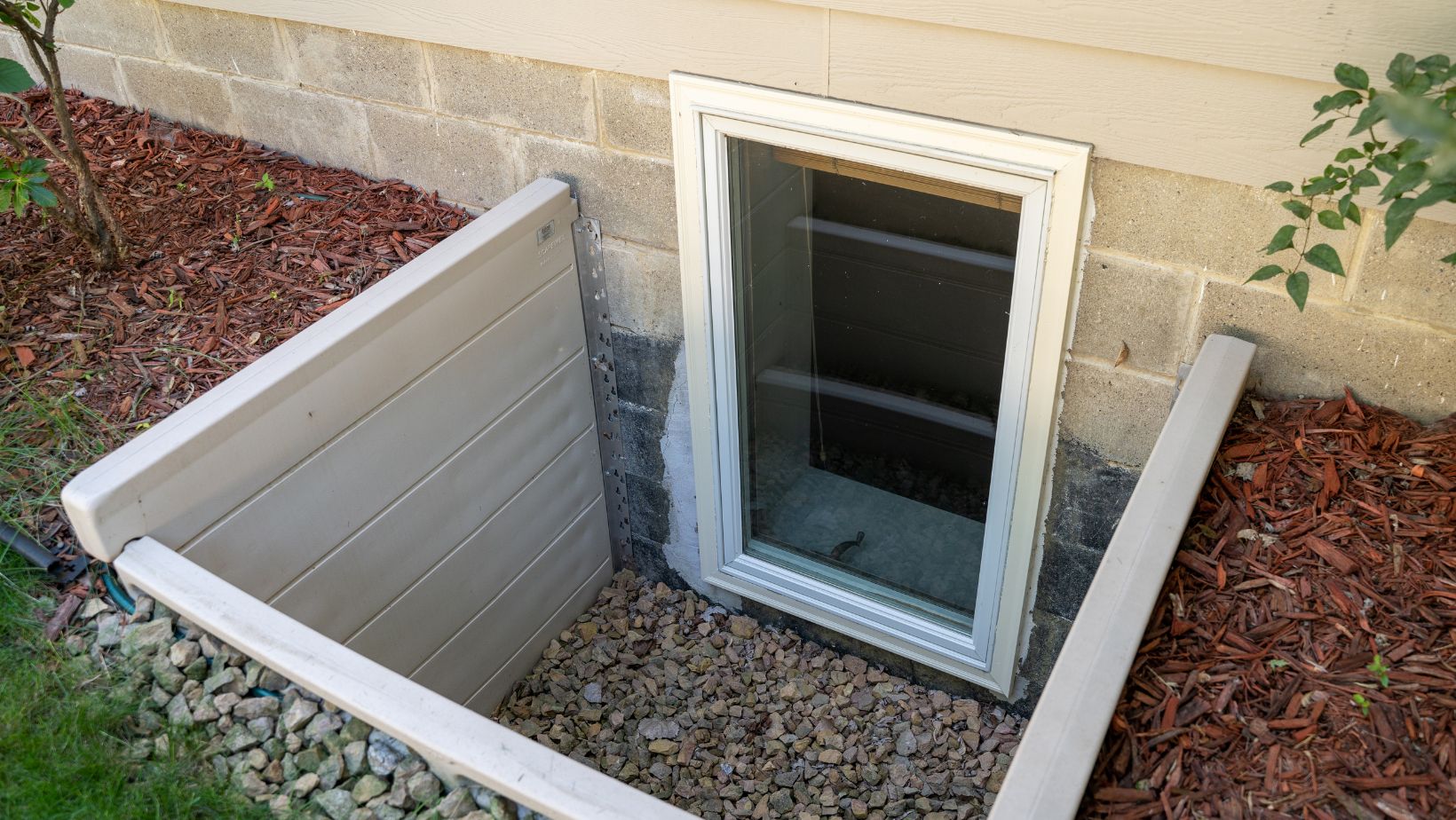
- Have enough space outside (usually via a window well) so a person can climb out safely
Important: inspectors care about the clear opening (the free space when the window is fully open), not the overall window size.
2) Choose a window style that gives a bigger clear opening
For most Toronto basements, the easiest styles to meet egress requirements are:
- Casement windows (often provide a large, usable opening)
- Sliding windows (can work, but you must confirm the openable portion meets the minimum clear opening)
Avoid picking based on looks alone. Two windows can be the same “size” on paper, but one can have a much smaller clear opening depending on the frame and how it opens.
Tip: When comparing options, ask the company for the clear opening measurements in writing.
3) Don’t ignore the window well (it’s part of the egress system)
Many Toronto homes need a window well because basement windows are below grade. A window can meet egress requirements and still fail in practice if the well is too tight or poorly built.
A good window well should:
- Leave enough room in front of the open window so someone can climb out
- Be properly supported and finished
- Drain well so it doesn’t become a water trap
If the well is deep, you may need an escape aid (like steps or a ladder). Also, drainage is huge—poor drainage is a common cause of basement leaks around egress windows.
4) Plan for water protection before you plan for looks
Basement windows deal with more moisture risk than above-grade windows. In Toronto’s freeze-thaw weather, small water issues can become big ones.
Ask your installer how they handle:
- Sealing and waterproofing around the opening
- Protecting against water entry from the window well area
- Drainage solutions (especially if your yard grading is flat)
If you get vague answers like “we’ll seal it up,” push for specifics.
5) Think about comfort: drafts, condensation, and noise
Even though egress is a safety feature, you still want a window that performs like a real upgrade.
For Toronto basements, prioritize:
- Strong air sealing (drafts are often installation-related)
- Energy-efficient glass options
- Good hardware and weatherstripping
- Practical ventilation (basements can be humid)
If your home is near traffic, ask about noise reduction options too. A basement bedroom facing the street can benefit from upgraded glass.
6) Expect that enlarging a basement opening may involve permits
If you’re only swapping an existing window without changing the opening size, it can be simpler. But many egress projects require a bigger opening, which can mean cutting into foundation or masonry and reinforcing the opening properly.
That’s where permits and inspections often come in—especially if you’re creating a legal bedroom or suite. Work with a contractor who’s comfortable with the permit/inspection process and can explain it clearly.
7) Make your quote fruitful
Egress quotes vary a lot because scope varies. A cheaper quote may exclude important pieces like the window well, exterior finishing, or drainage steps.
When comparing quotes, confirm what’s included:
- Window style and clear opening measurements
- Changes to the opening size (if needed)
- Window well (size, material, installation)
- Waterproofing and drainage approach
- Interior and exterior finishing
- Disposal of old materials
- Warranty on both product and installation
If any of these are unclear, get it clarified in writing.
8) Ask 5 questions before you hire anyone
These questions quickly separate pros from “sales-first” companies:
- What will the clear opening be once the window is fully open?
- If a window well is needed, what size will it be and how will it drain?
- If you find hidden issues (rot, crumbling masonry), how is that handled and priced?
- Who installs the window—your own crew or subcontractors—and who handles service calls later?
- If inspection is required, what’s your process for ensuring it passes?
Clear answers = a smoother project.
9) Choose a company that understands egress specifically
Egress windows are not the same as standard window replacements. You want an installer with experience in:
- Basement conditions and moisture risk
- Enlarging openings safely
- Proper window well installation
- Meeting Toronto/GTA inspection expectations
If you’re researching contractors and window companies toronto, one option to include in your shortlist is window companies toronto. Use the checklist above to compare them fairly against other providers.
Quick Final Tip
Most egress problems come from two things: picking a window that doesn’t provide enough clear opening, and ignoring the window well + drainage. Focus on those, get everything in writing, and you’ll avoid 90% of basement egress headaches.
If you want, tell me whether this blog is for homeowners or landlords/legal basement suite projects, and I’ll tweak the wording to match that audience without adding fluff.
About The Author

 5 Budget-Friendly Bedroom Upgrades for a Restful Night’s Sleep
  The Genius Reason Clera Windows Is Defying The Canadian Manufacturing Slump
  How to Remodel a Home Without Moving Out: What Homeowners Should Know