
Signs Your Home’s Plumbing May Need Attention Before a Major Repair
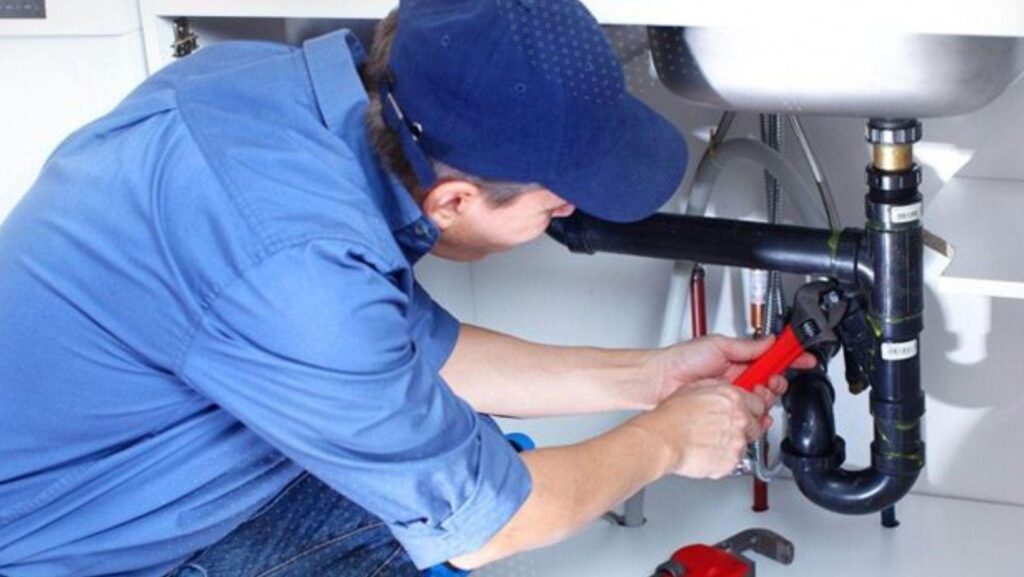
Many plumbing problems start small and quietly. A slow drip under a sink, a toilet that occasionally runs longer than normal, or a slight drop in water pressure may not seem urgent at first. However, homeowners often discover that minor warning signs can eventually turn into expensive repairs if left unaddressed.
One of the biggest mistakes property owners make is waiting until a plumbing issue becomes an emergency before taking action. Water damage, mold growth, and pipe deterioration frequently develop behind walls or under floors long before visible damage appears. Understanding common warning signs can help homeowners protect their property and avoid unnecessary repair costs.
Low water pressure is one of the most common indicators that something may be wrong within a plumbing system. While some pressure changes are caused by municipal water supply fluctuations, consistent low pressure can signal pipe corrosion, hidden leaks, mineral buildup, or partially blocked lines. In older homes, aging galvanized or polybutylene piping can also contribute to pressure problems over time.
Unexplained increases in water bills are another issue homeowners should pay attention to. Even a small hidden leak can waste thousands of gallons of water each year. Toilets are particularly common sources of unnoticed water loss because silent leaks inside the tank often continue running continuously without obvious signs. Outdoor irrigation systems and underground service lines can also contribute to elevated bills if leaks develop underground.
Drain performance often provides early clues about plumbing health as well. Slow-moving drains in multiple fixtures may indicate a developing blockage in the main sewer line rather than a localized clog. Grease accumulation, tree root intrusion, flushing improper materials, or deteriorating pipes can all restrict proper flow through drain systems. Addressing these issues early may help avoid sewer backups and more extensive excavation work later.
Water discoloration can also point to underlying concerns. Brown or reddish water may suggest rust inside aging pipes or water heater corrosion. Green or blue staining around fixtures sometimes indicates pipe deterioration or high acidity levels in the water supply. Any sudden changes in water appearance or odor should be evaluated to determine whether the issue originates from the home’s plumbing or the municipal supply.
Another commonly overlooked problem involves small leaks around fixtures and appliances. Water heaters, washing machine supply lines, faucets, and shutoff valves can all develop minor leaks that worsen gradually. Even small drips can damage cabinets, flooring, drywall, and structural materials over time. Moisture trapped behind walls or under flooring may also create conditions for mold growth.
Older homes often require additional attention because plumbing materials installed decades ago may no longer perform reliably. Polybutylene piping, which was commonly installed in many homes built between the late 1970s and mid-1990s, has become a known concern in many areas due to its tendency to become brittle and fail over time. Copper pipes may also develop pinhole leaks as they age.
Seasonal weather changes can create additional stress on plumbing systems. Freezing temperatures may cause exposed pipes to expand and crack, while hot summers can place increased demand on irrigation systems and water heaters. Regular inspections before seasonal temperature swings can help identify vulnerable areas before problems escalate.
Homeowners planning renovations should also consider the condition of existing plumbing before beginning construction. Kitchen remodels, bathroom upgrades, and appliance replacements may place additional demand on older systems. Evaluating shutoff valves, drain capacity, and supply lines ahead of time can help avoid unexpected delays during renovation projects.
Preventive maintenance remains one of the most effective ways to extend the lifespan of residential plumbing systems. Periodic inspections, leak detection, water heater maintenance, and sewer camera evaluations can help identify hidden concerns early. Many homeowners only think about plumbing when something stops working, but proactive maintenance often reduces long-term repair costs and helps preserve property value.
For homeowners researching plumbing resources or trying to better understand local plumbing concerns, it may be helpful to review information from a qualified Wake Forest plumber familiar with common regional issues affecting residential plumbing systems.
Ultimately, paying attention to early warning signs allows homeowners to make informed decisions before small issues become major disruptions. Whether the concern involves aging pipes, slow drains, hidden leaks, or water pressure changes, addressing problems early often leads to less invasive repairs and lower overall costs.
About The Author

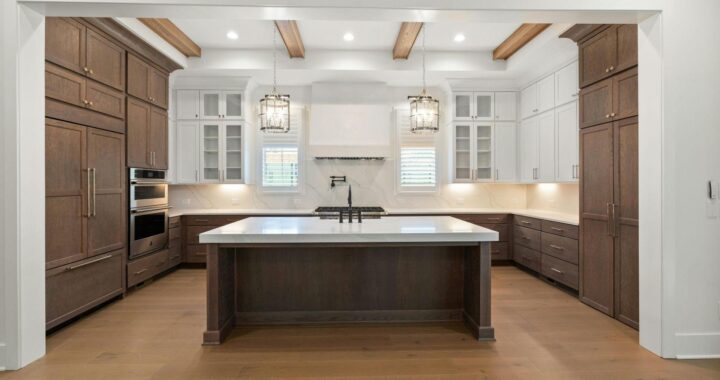 How to Plan Whole-House Cabinetry for a Renovation or New Build
 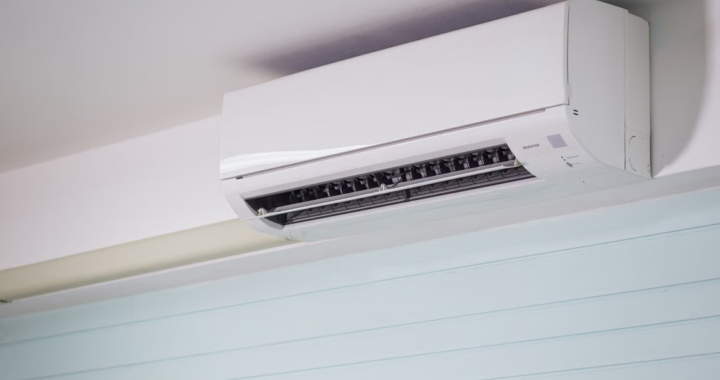 Reasons Why My AC Might Be Blowing Warm Air
 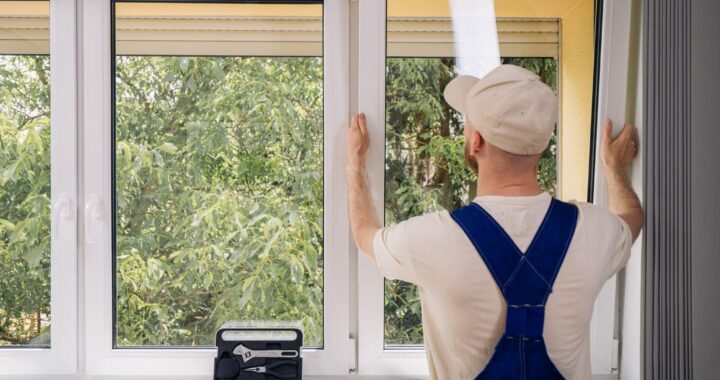 Window Replacement in Calgary: Cost Guide & Energy-Efficient Options for Alberta
Winters
Window Replacement in Calgary: Cost Guide & Energy-Efficient Options for Alberta
Winters