
Roofing, Plumbing, and Electrical Repairs: Staying Safe During Essential Home Maintenance
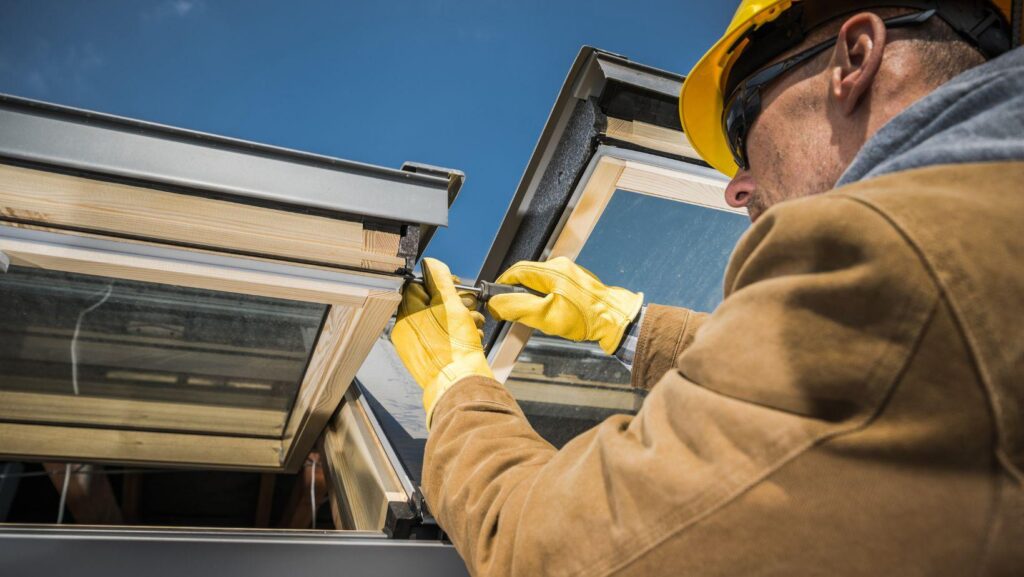
Home maintenance often involves practical jobs that are easy to delay until something goes wrong. A leaking pipe, loose roof tile, blocked gutter, or faulty socket may seem minor at first, but small problems can quickly become expensive repairs. For homeowners and tradespeople handling physical repair work, durable safety clothing can provide useful protection when working around tools, ladders, sharp materials, and active repair areas.
Why Home Maintenance Should Never Be Ignored
A home needs regular care to stay safe, efficient, and comfortable. Ignoring small issues can lead to larger structural problems, water damage, or safety risks.
Common warning signs include:
-
Damp patches on walls or ceilings
-
Flickering lights
-
Slow-draining sinks
-
Loose roof tiles
-
Cracked exterior render
-
Water stains in the loft
Catching these problems early can save significant time and money.
Roofing Repairs and Outdoor Safety
Roofing is one of the most important areas of home maintenance because the roof protects the entire property from weather damage.
Common roofing issues include:
-
Broken or missing tiles
-
Blocked gutters
-
Damaged flashing
-
Leaks around chimneys
-
Poor roof ventilation
Roof work can be dangerous because it involves height, ladders, and unstable surfaces. Homeowners should avoid climbing onto roofs unless they have proper training and equipment.
For most roofing repairs, hiring a qualified roofer is the safest option.
Plumbing Problems Around the Home
Plumbing issues can start small but cause major damage if left untreated. A slow leak under a sink or behind a wall can damage flooring, cabinets, and plaster.
Common plumbing tasks include:
-
Fixing dripping taps
-
Clearing blocked drains
-
Replacing washers
-
Repairing leaking pipes
-
Installing new fixtures
Some basic tasks may be manageable for DIYers, but hidden leaks, boiler issues, and major pipework should usually be handled by professionals.
Electrical Repairs Require Professional Care
Electrical work is one of the areas where DIY can quickly become dangerous. Faulty wiring can create fire risks, electric shocks, and long-term safety problems.
Warning signs include:
-
Warm sockets
-
Burning smells
-
Frequently tripping breakers
-
Flickering lights
-
Exposed wires
Qualified electricians should handle most electrical repairs, especially anything involving circuits, fuse boards, or new installations.
Construction Repairs and Structural Work
Some home repairs involve more than surface-level maintenance. Cracks in walls, uneven floors, damaged brickwork, or drainage issues may point to deeper structural concerns.
Exterior construction repairs may include:
-
Repointing brickwork
-
Fixing damaged steps
-
Repairing garden walls
-
Improving drainage
-
Replacing damaged render
These jobs often involve tools, dust, heavy materials, and outdoor hazards, so proper workwear and safe site organization are important.
DIY Jobs Homeowners Can Do Safely
Not every repair requires a tradesperson. Many homeowners can safely handle smaller jobs with the right tools and preparation.
Suitable DIY tasks may include:
-
Painting and sealing
-
Replacing cabinet handles
-
Cleaning gutters from ground-level tools
-
Tightening loose fittings
-
Applying basic sealant
-
Clearing simple blockages
The key is knowing your limits and avoiding jobs that involve serious risks.
Creating a Safe Work Area
Whether working indoors or outdoors, organizing the repair area makes a big difference.
A safer workspace includes:
-
Good lighting
-
Clear walkways
-
Tools stored properly
-
Waste removed regularly
-
Cables kept away from foot traffic
-
Ladders positioned securely
Small details can prevent accidents and make the job easier to complete.
Why Tradespeople Are Worth Hiring
Professional tradespeople bring experience, training, and specialist tools. While DIY can be satisfying, professional work is often safer and more reliable for complex repairs.
Hiring the right trade can also protect the value of the home by ensuring repairs are completed correctly the first time.
Final Thoughts
Home maintenance may not always feel exciting, but it is one of the most important parts of protecting a property.
By addressing roofing, plumbing, electrical, and structural issues early and by using safe working habits throughout the process homeowners can keep their homes safer, stronger, and more comfortable for years to come.
About The Author

 Reasons Why My AC Might Be Blowing Warm Air
  Window Replacement in Calgary: Cost Guide & Energy-Efficient Options for Alberta Winters
  Why Plumbing Inspections Are Becoming Essential for Modern Homeowners