
How to Tell If Your Garage Door Is About to Let You Down
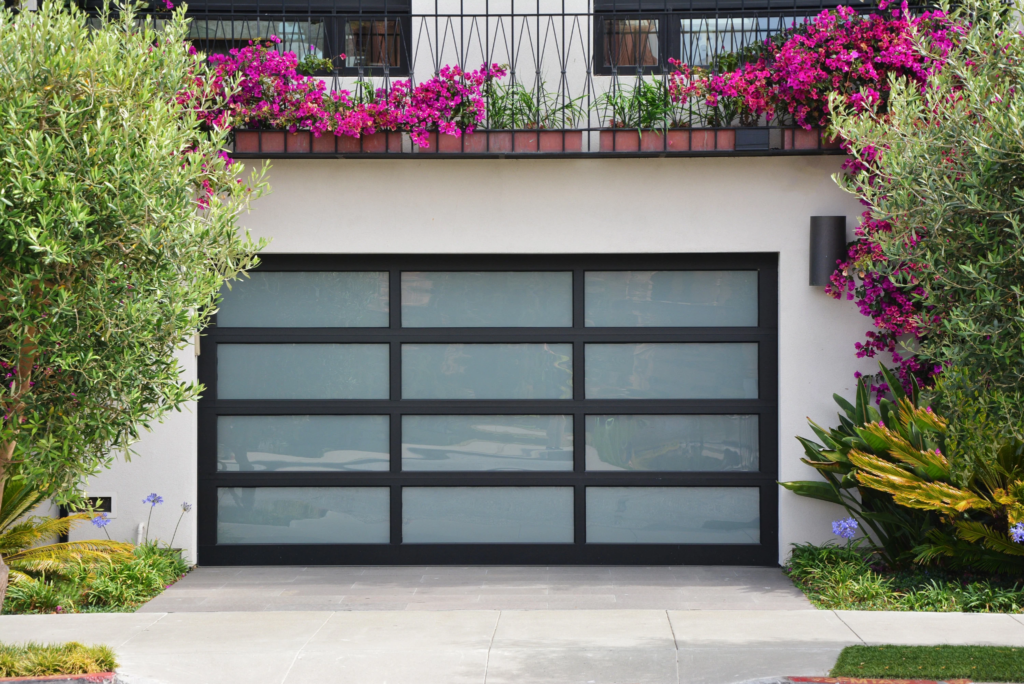
Opening the garage in the morning is something most homeowners do on autopilot. You hit the button, the door goes up, you pull out, and you barely think about it. Until the day it doesn’t work.
Garage doors are one of the most-used mechanical systems in any home and also one of the most ignored, right up until something goes wrong. By the time you notice a problem, it has usually been building for weeks or months. Catching the early signs means the difference between a quick service call and a genuine emergency on a Sunday morning when you need to get somewhere.
Here are the most common warning signs homeowners miss, and what to do about each one.
The door hesitates or reverses for no clear reason
If your garage door starts moving and then stops or reverses, that’s the opener’s safety system doing its job. Something is triggering it. Could be the photo-eye sensors are dirty or misaligned. Could be the door is binding in the track. Could be the opener is working against resistance it shouldn’t be fighting. Either way, don’t keep forcing it. A door that’s fighting itself is building toward a failure point.
Clean the sensor lenses first. If the problem persists, call someone before it gets worse.
The door is louder than it used to be
All garage doors make noise. A healthy door makes a consistent, low sound. When you start hearing grinding, scraping, rattling, or a sudden bang when the door reaches the top or bottom of its travel, those sounds mean something. Grinding often points to worn rollers. Rattling can mean loose hardware. A bang at the top of the travel can signal binding in the track.
If the sound changed recently and nothing else did, that’s your cue.
It moves slower than it used to
Garage door openers are designed to move the door at a consistent speed. If yours is taking noticeably longer than it used to, the opener is working harder to compensate for something, and that something is usually friction developing somewhere in the system. Catching this while the opener still works is a lot cheaper than catching it after the motor burns out.
The door doesn’t sit level when it’s closed
Stand back and look at the bottom of your closed garage door. It should sit flush and even across the entire width. If one corner is higher or the weatherseal has visible gaps, the door isn’t hanging right. An uneven door is often a sign of wear in the hardware that keeps the door balanced, and in warmer climates, it also becomes a heat and pest problem quickly.
One side of the door feels heavier than the other
If you’ve ever had to open the door by hand during a power outage, you have some sense of how it should feel. A well-balanced door opens smoothly with light effort and stays put when you let go partway. If the door is noticeably heavy or drops when you release it at the midpoint, the spring system isn’t doing its job. This one needs a professional, not a DIY attempt.
When to treat it as an emergency
Some garage door problems cross the line from “schedule a service call” to “don’t use this door until someone looks at it.” A door that’s visibly off track, a cable that looks slack or frayed, or a door that simply won’t move are all situations where you stop using it and get help. Operating a door that’s off track or missing cable tension can cause a full collapse, and that’s a safety issue, not just an inconvenience.
If you’re unsure whether your situation qualifies, iloveitgaragedoors.com lays out clearly what counts as an emergency and what steps to take first, without the runaround.
The habit that prevents most of this
The single best thing you can do for your garage door is pay attention to it twice a year. Open it, close it, stand there and actually watch and listen. Note hesitation. Note new sounds. Check that the bottom seal makes full contact with the ground. Most homeowners never do this, which is exactly why garage door problems always seem to come out of nowhere.
They don’t come out of nowhere. They build slowly, and they give you plenty of warning. You just have to be paying attention.
About The Author

 How to Plan Whole-House Cabinetry for a Renovation or New Build
  Reasons Why My AC Might Be Blowing Warm Air
  Window Replacement in Calgary: Cost Guide & Energy-Efficient Options for Alberta
Winters
Window Replacement in Calgary: Cost Guide & Energy-Efficient Options for Alberta
Winters