
Tips to Choose the Right Furniture For Your Home
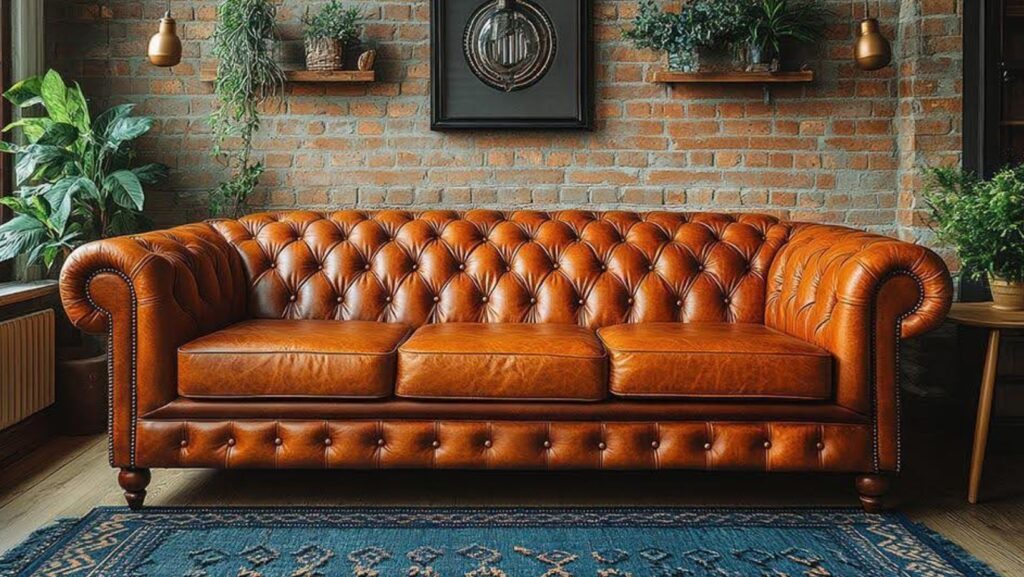
Choosing furniture is one of the most important steps in shaping how a home looks and feels, because furniture takes up a large part of every room and directly affects comfort, movement, and daily living. From beds to lounges in Perth, every piece should support the way you live while also creating a space that feels calm, welcoming, and well-put-together.
Furniture should never feel like it was added in a rush or chosen without thought. A well-furnished home feels balanced, easy to move through, and pleasant to spend time in. With the right approach, furniture can improve not only how your home looks but also how it functions every single day.
Essential Tips on How to Select the Right Furniture:
Plan Before You Buy
One of the most common mistakes people make is choosing furniture one piece at a time without thinking about the whole home. Instead of shopping randomly, it is far better to start with a clear plan that considers each room and how it connects to the rest of the house. Before buying anything, take time to measure your rooms carefully and note doorways, walkways, and open areas. Think about how people move through the space and how the room is used during the day and night. Knowing the size of the furniture you need helps prevent overcrowding and keeps the room easy to use. When furniture fits properly, the room feels more open, calm, and comfortable.
Choose Quality That Matches Your Furniture Usage
Not all furniture needs the same level of strength, but items that are used daily should be built to last. Pieces like dining tables, sofa seats, beds, and coffee tables handle constant use, so they need strong materials and solid construction. Furniture that feels sturdy and well-made will keep its shape and comfort over time, making it a smarter long-term choice.
Decor pieces and items used only once in a while do not need the same level of durability. However, it is important that all furniture in a room feels balanced in value and appearance. When one item looks much cheaper than the rest, it can lower the overall feel of the space. A home feels more polished when all pieces work together and carry a similar sense of quality.
Understand the True Purpose
Before adding a new piece of furniture, ask yourself whether it truly serves a purpose. Many homes contain items that are rarely used but take up valuable space. Just because a corner has always held a table or cabinet does not mean it needs one now.

Allowing open space helps rooms feel lighter and easier to live in. Furniture should earn its place by offering comfort, storage, or function. If an item is not used, does not hold important things, or does not add comfort, it may not be needed. Thoughtful furniture choices help reduce clutter and make rooms feel more intentional and relaxed.
Work With the Size of the Room
Room size plays a major role in choosing the right furniture. In smaller rooms, raised furniture with visible legs helps create the feeling of more space because light can move freely underneath. This makes the room feel less crowded and more open.
In larger rooms, furniture that sits closer to the floor can help make the space feel warmer and more inviting. Large rooms can sometimes feel cold or empty, so choosing fuller pieces can create a sense of comfort. The goal is to balance the room so it feels welcoming rather than too tight or too empty.
Define Your Style Clearly
Every home benefits from a clear sense of style, even if that style is relaxed and simple. Knowing your preferred look helps guide furniture choices and prevents mixing too many ideas that do not work well together. A clear style makes a home feel calm, planned, and complete.
This does not mean everything has to match perfectly. Even mixed styles can work beautifully when chosen with care. When furniture shares similar tones, shapes, or moods, the home feels connected from room to room. Understanding your style also helps you avoid impulse buys that do not truly belong in your space.
Avoid Over-Matching
Furniture that is too matched can feel dull and lifeless. While it is important for pieces to work together, they should not look identical. Mixing textures, shapes, and finishes adds interest and personality to a room.
Using different but related styles creates depth and makes the home feel lived-in rather than staged. Unique pieces, older items, or meaningful furniture can add warmth and character. A space feels more personal when it reflects real life rather than looking like a showroom display.
Comfort Should Always Come First
No matter how beautiful the furniture looks, it must feel comfortable to use. Seating should support the body well, beds should promote restful sleep, and tables should suit daily tasks. Comfort affects how much you enjoy your home and how relaxed you feel when spending time there.
For bedrooms, choosing the right bed frame matters just as much as the mattress, and a king bed frame in a Perth home should provide strong support while fitting the room without overpowering it. When furniture feels good to use, it naturally becomes part of everyday life rather than just decoration.
Conclusion
Furniture should tell a story about the people who live in the home. Pieces that hold meaning, remind you of good moments, or simply make you happy add emotional value to your space. When furniture is chosen with care, it supports daily life, creates calm, and makes the home a place you truly enjoy being in. By planning ahead, focusing on purpose, and selecting pieces that suit both space and lifestyle, you can build a home that feels welcoming, functional, and deeply personal for many years to come.
About The Author

 5 Budget-Friendly Bedroom Upgrades for a Restful Night’s Sleep
  The Genius Reason Clera Windows Is Defying The Canadian Manufacturing Slump
  How to Remodel a Home Without Moving Out: What Homeowners Should Know