
What Is Included in a Roof Replacement?
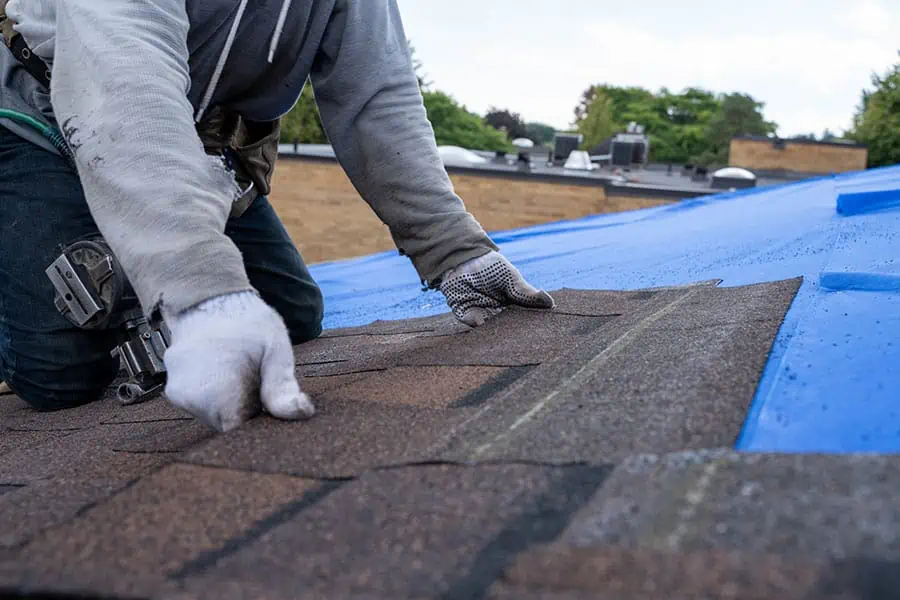
If you are planning a roof replacement, you are probably wondering what is actually included and what you are paying for. Most homeowners assume it is just new shingles, but a real roof replacement involves much more than that.
From removing old materials to inspecting the decking and installing moisture protection, every step matters for long term durability. This guide explains what is included in a roof replacement, what is optional, and what to expect from a professional contractor offering Roofing Replacement Edmond ok.
A roof replacement is a complete rebuild of your roofing system, not just a surface upgrade. It starts with removing the old roofing materials and ends with installing a new, weather resistant system designed to protect your home for decades.
This process includes structural inspection, moisture protection layers, flashing, ventilation, and final cleanup. Whether you are working with a local Edmond OK contractor or a larger roofing OKC company, the scope should be clearly outlined in your estimate. A proper replacement ensures both performance and compliance with local building codes.
Key Takeaways
- A full roof replacement includes tear-off, decking inspection, underlayment, new roofing materials, flashing, and ventilation.
- Reputable contractors handle permits, inspections, cleanup, and disposal.
- Optional upgrades like gutters, fascia, and ventilation can improve lifespan and performance.
- Always review warranties, quote line items, and code compliance before signing.
Roof Tear-Off and Removal
Removing Old Shingles or Roofing Material
The first step is tearing off the existing roofing materials. This may include asphalt shingles, underlayment, and damaged flashing. Full tear-offs allow contractors to inspect the underlying structure for hidden damage.
Partial tear-offs are sometimes used for budget projects, but they limit inspection accuracy and can shorten the lifespan of your new roof.
Disposal and Cleanup
All old materials are collected and hauled away. Contractors typically place a dumpster on-site and protect landscaping during removal. After installation, crews use magnetic sweepers to collect nails and metal debris.
Roof Deck Inspection and Repairs
Checking for Rot or Water Damage
Once the old roof is removed, contractors inspect the roof deck for rot, mold, or structural weakness. Common damage includes warped plywood, soft spots, and water stains around chimneys or valleys.
This inspection determines whether repairs are required before installing the new roof.
Replacing Plywood or OSB
If damaged decking is found, contractors replace affected sheets of plywood or OSB. This adds cost but is essential for structural stability and proper fastening of new materials.
Underlayment and Moisture Protection
Ice and Water Shield
This waterproof membrane is installed in valleys, around chimneys, and at roof edges. It prevents water intrusion caused by wind driven rain and ice dams.
Synthetic or Felt Underlayment
Underlayment acts as a secondary moisture barrier beneath shingles. Synthetic options last longer and resist tearing better than traditional felt.
New Roofing Materials Installation
Shingles or Roofing System
Your contractor installs new shingles or roofing materials according to manufacturer specifications. Options include asphalt shingles, metal panels, and tile systems.
Each material type has different lifespans, warranties, and installation requirements.
Starter Shingles and Ridge Caps
Starter shingles line roof edges to prevent wind uplift. Ridge caps seal the roof peak and allow proper ventilation.
Flashing, Drip Edge, and Ventilation
Flashing Around Chimneys and Valleys
Flashing prevents leaks at roof joints and transitions. Contractors replace old flashing during roof replacement.
Drip Edge Installation
Drip edge directs water away from fascia boards and roof edges. Many building codes require drip edge installation.
Ridge Vents or Roof Ventilation
Ventilation regulates attic temperature and moisture. Ridge vents, box vents, and soffit vents improve airflow and extend roof lifespan.
Gutters, Fascia, and Trim (Optional but Common)
Gutters, fascia boards, and soffits are not always included but are commonly upgraded during roof replacement. Contractors may recommend replacements if existing components show rot or sagging.
Permits, Inspections, and Code Compliance
Professional contractors obtain required permits and schedule inspections. This ensures your new roof meets local building codes and manufacturer guidelines.
Skipping permits can lead to fines, insurance issues, and resale complications.
Warranties and Guarantees
Manufacturer Warranty
Covers material defects and may last 20 to 50 years depending on product type.
Workmanship Warranty
Covers installation quality and labor errors. This typically ranges from 5 to 15 years.
Timeline: How Long a Roof Replacement Takes
Most residential roof replacements take one to three days. Larger homes or complex roofs may take longer. Weather delays and decking repairs can extend the timeline.
What Is NOT Included (Unless You Ask)
Some services are not automatically included:
- Structural framing repairs
- Skylight installation or replacement
- Solar panel removal
- Mold remediation
- Interior ceiling repairs
Conclusion: Always confirm optional items in your contract.
How Much a Roof Replacement Costs (USA Overview)
National averages range from $8,000 to $15,000 for asphalt shingles. Metal roofs cost more. Pricing depends on roof size, pitch, materials, decking repairs, and labor.
In markets like Edmond OK and roofing OKC areas, pricing reflects regional labor and material costs.
Conclusion: Costs vary widely based on size, materials, and repairs.
Red Flags in Roof Replacement Quotes
- Missing line items
- No decking inspection clause
- No warranty terms
- Vague material descriptions
Why Choosing a Local Roofing Contractor Matters
Local contractors understand climate conditions, building codes, and permit processes. They respond faster for repairs and warranty claims.
Conclusion: Local experience improves quality and accountability.
FAQs
What does a roof replacement include?
It includes tear-off, decking inspection, underlayment, new roofing materials, flashing, ventilation, and cleanup.
How long does a roof replacement take?
Most projects take one to three days.
Do roofers replace plywood?
Yes, if damaged decking is found during inspection.
Is flashing included in a roof replacement?
Yes, flashing replacement is standard practice.
Do roofers haul away old shingles?
Yes, disposal and cleanup are included.
Are permits included?
Professional contractors handle permits and inspections.
Does insurance cover roof replacement?
Insurance may cover storm related damage depending on your policy.
Conclusion
A roof replacement includes far more than new shingles. From tear-off and decking inspection to underlayment, flashing, ventilation, and cleanup, every component plays a role in protecting your home.
Understanding what is included helps you compare quotes, avoid hidden costs, and choose the right contractor. If you are planning a roof upgrade, request a detailed inspection and written estimate before moving forward.
About The Author

 5 Budget-Friendly Bedroom Upgrades for a Restful Night’s Sleep
  The Genius Reason Clera Windows Is Defying The Canadian Manufacturing Slump
  How to Remodel a Home Without Moving Out: What Homeowners Should Know