
Video Smart Locks vs Traditional Locks: What Matters
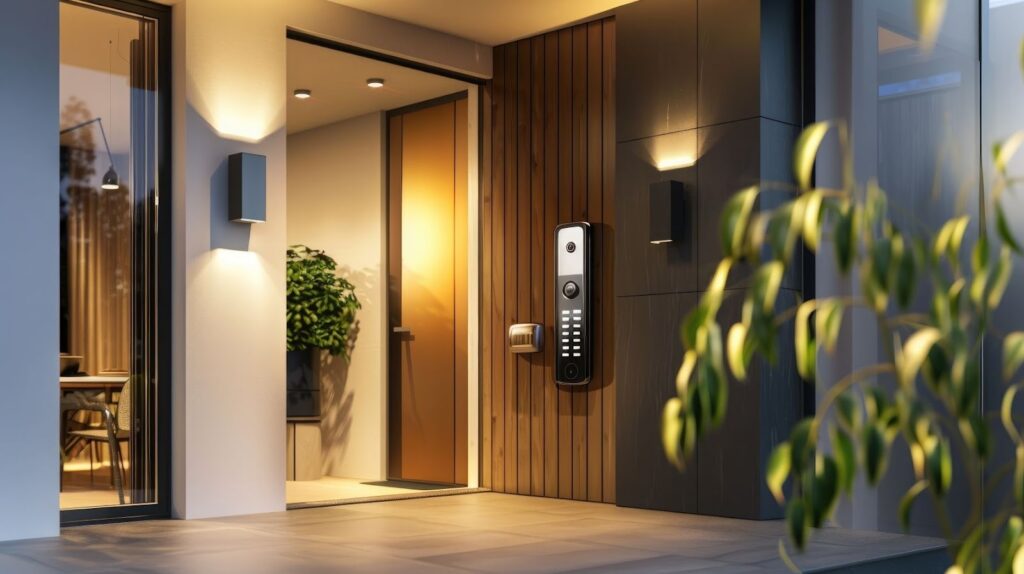
The entryway of a home is its first line of defense, and the technology guarding it has evolved dramatically. The choice between a traditional mechanical lock and a modern video smart lock is a fundamental decision about the level of security, convenience, and connectivity a homeowner desires.
Below are the critical factors that distinguish between video smart locks and traditional locks:
Visual Verification and Remote Monitoring Capabilities
The most transformative feature of a modern smart security system is the ability to visually verify activity at one’s doorstep from anywhere in the world. This capability fundamentally changes home security from a reactive to a proactive measure. For instance, investing in a device like a home lock video allows homeowners to see visitors clearly with a full HD camera, from head to toe, whether they’re on the front porch or miles away. This visual confirmation is crucial for distinguishing between a delivery person, a welcome guest, or an unfamiliar individual, enabling informed decisions before any physical interaction occurs.
Beyond simple viewing, these integrated systems can offer advanced monitoring features. Infrared night vision can ensure clarity continues after dark, while built-in motion sensors can send instant alerts to a smartphone when activity is detected. When paired with a video doorbell and two-way intercom, a homeowner can see and communicate with a person at the door, creating the impression of presence even when the house is empty. This layer of remote intelligence can be a complete departure from the silent, static nature of a traditional deadbolt.
Methods of Access and User Convenience
Traditional locks operate on a singular, physical principle: a correctly cut key engages the internal mechanism to open the lock. While reliable, this method has inherent limitations. Keys can be lost, duplicated without permission, or forgotten, leading to lockout incidents. Video smart locks, in contrast, replace or supplement the physical key with a suite of digital access methods that prioritize both security and flexibility.
Keyless entry is a cornerstone of this convenience. Authorized users can gain entry through multiple validated methods:
- Biometric authentication: A three-dimensional fingerprint sensor offers rapid, personalized access that cannot be lost or loaned.
- Secure keypads: Advanced keypads feature technology like randomly shuffling digits to prevent onlookers from guessing a PIN code.
- Mobile application control: Doors can be locked or unlocked remotely via a smartphone app, and unique, scannable QR codes can be generated for contactless entry.
Perhaps the most significant convenience is the ability to manage access permissions dynamically. Homeowners can grant revocable, timed digital keys to family, friends, or service personnel without ever needing to hand over a physical key or be present. This system allows for the creation of single-use or recurring schedules, with all entries logged for review. Traditional locks require rekeying or complete replacement to achieve a similar revocation of access, a process that is both cumbersome and costly.
Power, Reliability, and Installation Considerations
Reliability is paramount for any security device. Traditional mechanical locks derive their unwavering reliability from a lack of complex components as they require no power and function if their physical integrity is maintained. Their primary vulnerabilities are physical attacks like picking, drilling, or forced entry.
On the other hand, video smart locks introduce electronics and therefore depend on a consistent power source. Manufacturers can address this critical concern with robust solutions. High-capacity, rechargeable lithium batteries can provide up to a year of operation on a single charge. Innovative models can further integrate solar panels to passively top up the battery, significantly extending operational life and reducing maintenance. For emergency situations, these devices typically include backup options such as a physical key override or the ability to use an external 9-volt battery to provide enough power for entry.
Installation can also differ markedly. While professional installation is always an option, many modern smart locks are designed for do-it-yourself setup, often requiring only standard tools and compatible door preparations. The process of connecting the door lock to a home’s Wi-Fi network via an included hub and configuring it through an intuitive mobile app is a standard part of the setup, contrasting with the purely mechanical installation of a traditional deadbolt.
Long-Term Security Philosophy and Cost Implications
The security philosophies of the two systems represent different eras of technology. Traditional locks can provide a robust physical barrier. Their security is evaluated by the quality of their metals, the complexity of their pin tumblers, and their resistance to brute-force attacks. Upgrading security means physically replacing the lock with a heavier-duty model.
Video smart locks can adopt a more holistic, networked approach to security. They combine a physical barrier with digital surveillance, real-time alerts, and encrypted access logs. Security is enhanced through software updates that can patch vulnerabilities and add new features over time. The device itself acts as a visible deterrent, and its ability to record video provides valuable evidence in the event of an incident. This can create a comprehensive security ecosystem rather than just a point of entry.
Furthermore, the cost analysis extends beyond the initial purchase. A traditional high-security deadbolt has a clear, one-time cost. A video smart lock represents a larger upfront investment but delivers multifunctionality, bundling a high-grade lock, a video doorbell, an intercom, and a motion sensor into one unit. Importantly, many leading models operate without mandatory monthly subscription fees for core functionality, although premium services for expanded user profiles or cloud storage may be available.
Conclusion
The optimal lock depends on the needs. Traditional locks offer proven, simple physical security. Video smart locks provide integrated, intelligent protection and modern convenience for primary entry points. For proactive homeowners seeking remote monitoring, keyless access, and visual verification, a comprehensive video smart lock represents a significant evolution in securing and managing the modern home. By keeping the information mentioned above in mind, homeowners can decide which one is right for their needs.
About The Author

 Which Handheld 3D LiDAR Scanner Is Best for AEC? SHARE SLAM S20 vs XGRIDS Lixel
K2 vs Manifold Pocket 2 vs CHCNAV GS5
Which Handheld 3D LiDAR Scanner Is Best for AEC? SHARE SLAM S20 vs XGRIDS Lixel
K2 vs Manifold Pocket 2 vs CHCNAV GS5  10 China Cabinet Manufacturers for Luxury Residential Projects
  How to Test a Sofa When Back Pain or Sciatica Changes the Way You Sit