
Mini Split vs Central AC: Which Is Better for Clairemont Homeowners?
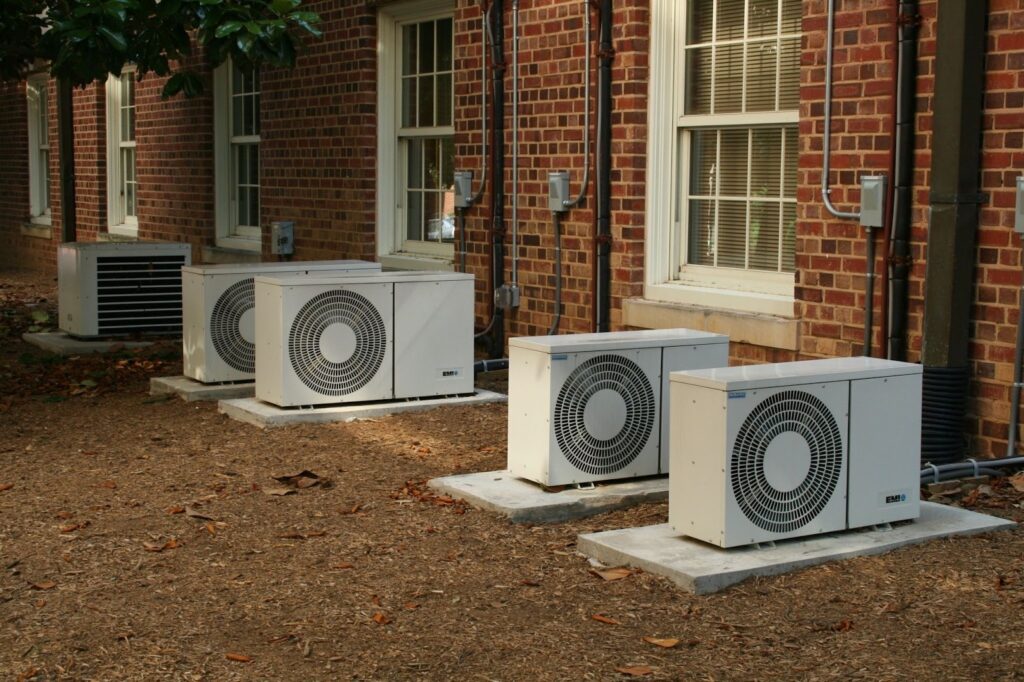
Choosing the right cooling system is an important decision for homeowners in Clairemont. With the area’s mild coastal climate and mix of older and newer homes, both ductless mini split systems and central air conditioning can be effective options. Understanding the differences between the two can help you decide which system fits your home, budget, and comfort needs. Many HVAC contractors recommend evaluating your home’s layout and existing infrastructure before making a decision.
How Central AC Works
Central air conditioning systems use ductwork to distribute cooled air throughout the entire home. A single thermostat controls the temperature, and air is pushed through vents into each room.
This setup is ideal for homes that already have ductwork installed. It provides consistent cooling across the house and keeps equipment mostly hidden, which some homeowners prefer for aesthetic reasons.
How Mini Split Systems Work
Ductless mini split systems consist of an outdoor unit connected to one or more indoor units. Each indoor unit is installed in a specific room or zone and can be controlled independently.
Because they don’t rely on ductwork, mini splits are often easier to install in homes without existing ducts. They also allow for more targeted cooling, which can be beneficial in certain situations.
Energy Efficiency Differences
Efficiency is one of the biggest differences between the two systems. Central AC systems can lose energy through ductwork, especially if the ducts are older or not well-sealed. This can reduce overall efficiency.
Mini splits avoid this issue since they deliver air directly into each room. Many models also adjust their output based on demand, which can reduce energy usage over time.
For homeowners focused on energy savings, HVAC Contractors often point out that mini splits can be a strong option—particularly in homes where ductwork is outdated or inefficient.
Comfort and Temperature Control
Central AC systems provide uniform cooling throughout the home, which works well for families who prefer a consistent temperature in every room.
Mini splits, on the other hand, offer zoned cooling. This means you can set different temperatures in different areas of the home. For example, you might keep bedrooms cooler at night while using less cooling in unused spaces.
This flexibility can improve comfort and reduce unnecessary energy use.
Installation and Home Compatibility
In Clairemont, many homes were built decades ago, and not all of them have modern duct systems. Installing or upgrading ductwork can be expensive and disruptive.
Mini splits are often easier to install in these cases because they require only a small connection between the indoor and outdoor units. They are also a popular choice for room additions, converted garages, or home offices.
However, for homes that already have well-functioning ductwork, central AC may be the more straightforward option.
Cost Considerations
Central AC systems can be more cost-effective for cooling an entire home if ductwork is already in place. Mini splits may have a higher upfront cost when multiple indoor units are needed for full coverage.
That said, the potential energy savings with mini splits can help offset costs over time, depending on usage.
Final Thoughts
Both mini split systems and central AC can work well for Clairemont homeowners, but the best choice depends on your home’s structure and how you use your space. Central AC is often ideal for whole-home cooling with existing ducts, while mini splits offer flexibility and efficiency for targeted comfort.
Consulting experienced HVAC Contractors can help you evaluate your options and choose a system that fits your home and lifestyle.
About The Author

 Which Handheld 3D LiDAR Scanner Is Best for AEC? SHARE SLAM S20 vs XGRIDS Lixel
K2 vs Manifold Pocket 2 vs CHCNAV GS5
Which Handheld 3D LiDAR Scanner Is Best for AEC? SHARE SLAM S20 vs XGRIDS Lixel
K2 vs Manifold Pocket 2 vs CHCNAV GS5  10 China Cabinet Manufacturers for Luxury Residential Projects
  How to Test a Sofa When Back Pain or Sciatica Changes the Way You Sit