
Basement or Garage as a Home Gym – Where to Start?
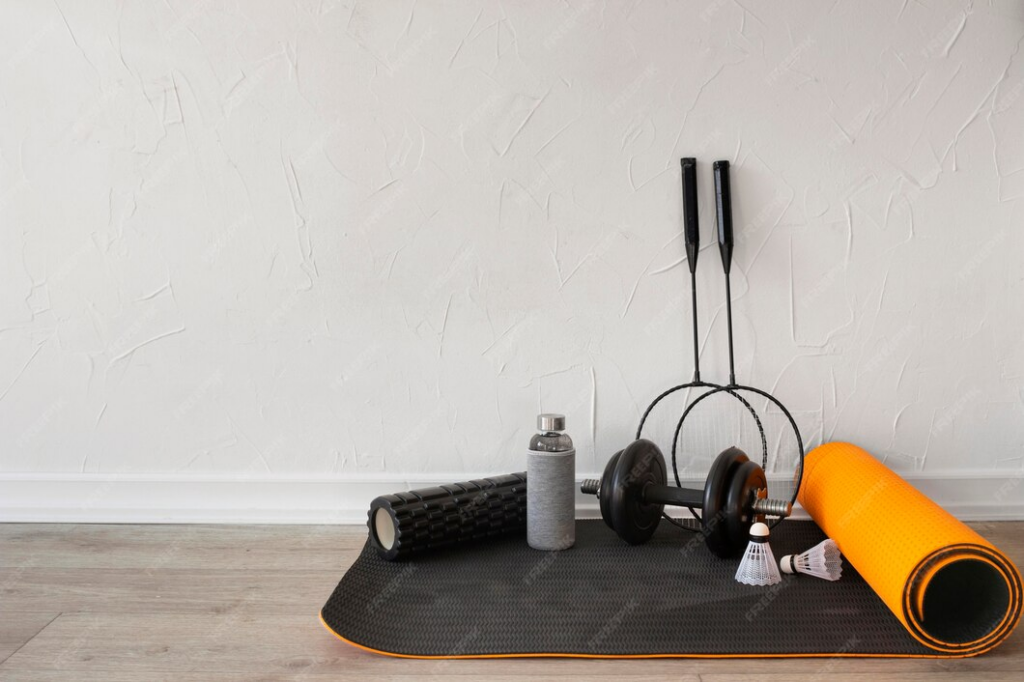
Many Canadians keep old skis, a broken bicycle, and boxes of stuff from the nineties in their basement. Yet this space is a ready foundation for a proper home gym. Canadians live sport in many formats – home workouts, hiking, and parimatch canada for those who follow professional games. To start, you’ll need to clear the space and assess it honestly. A zone of roughly 3×3 meters is enough for a basic set of exercises. The exact area depends on what equipment you plan to use – a corner is sufficient for kettlebells and a mat, a treadmill needs more room.
Setting Up Your Space Right
Basements and garages are specific spaces. Concrete floors take a toll on joints and equipment alike — rubber mats or interlocking foam tiles fix that fast. They dampen impact, stabilize your gear, and make the surface actually usable. In Canadian conditions, insulation is especially relevant. Since in a garage in winter, you can end up working out below zero if you don’t arrange at least minimal heating.
What genuinely transforms the space:
- Good lighting – LED panels or floodlights, not a dim bulb on the ceiling.
- Ventilation or at least one fan – without it, a workout turns into a sauna.
- A mirror or at least one mirrored panel – helps monitor technique.
- Hooks and shelves for storing equipment – order matters when space is limited.
None of this requires a full renovation – most changes can be handled in a single weekend.
Compact Equipment That Actually Works
A few versatile pieces of equipment cover almost the entire body:
- Kettlebell 16–24 kg. Swings, Turkish get-ups, rows, presses. One piece of equipment, a complete workout.
- TRX straps. Attach to a beam, load the core and shoulders, and weigh less than a kilogram.
- Adjustable dumbbells. Minimal space, wide load range.
- Pull-up bar. If there’s a beam or room for a bracket, the upper shoulder girdle is fully covered.
For cardio in a limited space, a folding exercise bike or compact stepper works well – both take up little room and are equally good in a garage or apartment.
How Not to Quit After a Month
A well-equipped space is half the battle. It’s important to make it psychologically comfortable – set up a speaker or connect a TV, hang a workout schedule board, and clear out any extra clutter that distracts. Canadians often embrace the concept of a “third place” – a space outside home and work. A home gym can become exactly that if you approach its organisation thoughtfully.
A garage or basement doesn’t need an expensive renovation to become a proper training zone. The right flooring, lighting, ventilation, and a few well-chosen pieces of equipment – and the space starts delivering results every single day.
About The Author

 Epoxy Emerald Cloud Pattern: Fast, Gorgeous Results With Rapidirect (2026 Guide)
  How to Select an Opal-Color BBQ from RapidHomeDirect — 7 Practical Tips for 2026
  MyWirelessCoupons: How To Slash Phone Bills And Save On Devices In 2026