
Why Patching Up Old Systems Often Costs More Than Replacing Them
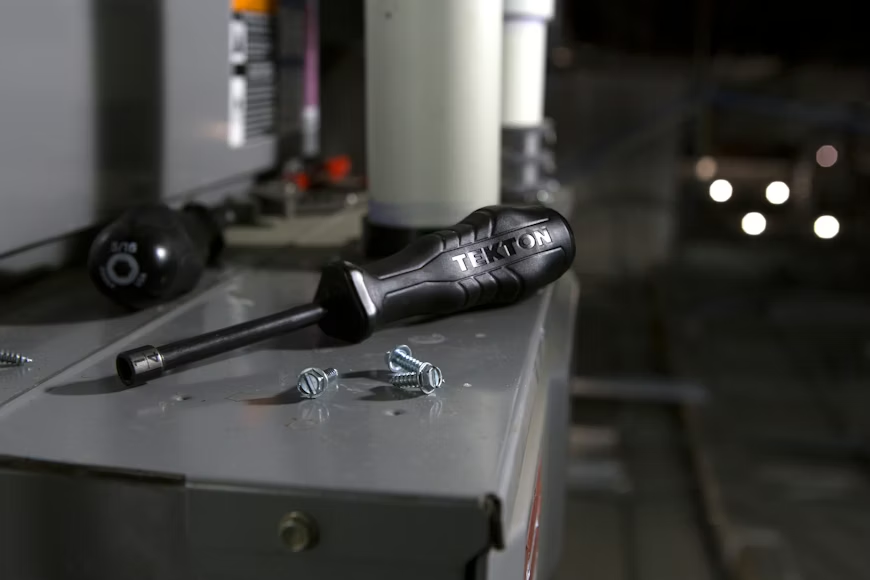
Are you stuck paying repair bills on your old HVAC system every other month?
You’re not alone. Thousands of homeowners get stuck in this same cycle — spending money on a system that just continues to fail. And here’s the kicker…
Nine times out of ten it would have been cheaper to replace the entire thing in the first place.
In this article, you’ll see why keeping your old HVAC system patched together leaves your wallet empty and how a new smart thermostat installation costs you a lot less in the long run.
Here’s what’s ahead:
- Why Old Systems Cost More To Keep Alive
- The Hidden Price Of Endless Repairs
- The Math On Repair Vs Replace
- How Smart Thermostat Installation Changes The Math
- When To Stop Patching And Start Replacing
Why Old Systems Cost More To Keep Alive
Old HVAC systems are a lot like old cars.
They fail more often. They are more expensive to repair. And every year they perform worse. Components fail, efficiency plummets, and that old reliable unit starts costing you ways you never imagined.
The longer you have an existing system, the more repairs accrue. These repairs aren’t just a one-time hit to your pocket book either. Fan motor. Capacitor. Refrigerant leak next month.
Pretty soon, you’ve poured thousands into “band-aid” repairs that can barely keep your system on life support. If your repair bills keep adding up and your system is anywhere near 10 years old, you are most likely way beyond that threshold. Pairing a proper AC replacement with a quality smart thermostat installation is nearly always the best long-term solution.
Think about it…
You wouldn’t invest thousands of dollars into a 15 year old car that keeps breaking down. Why do it with your HVAC?
The Hidden Price Of Endless Repairs
Most homeowners only look at the repair bill in front of them.
But that bill is just the tip of the iceberg. There are tons of hidden costs that come with keeping an old system alive:
- Higher energy bills: Inefficient operation is the hallmark of older systems, so your utility bill increases each month.
- Breakdowns more often: Older units are more prone to breaking down, leading to more service calls and increased downtime.
- Uneven comfort: Uneven temperatures in different rooms because older systems can’t maintain consistent temperatures.
- Emergency repair premiums: Your unit goes out in the middle of summer, you pay top dollar for an emergency visit.
And here’s the kicker…
The average American household spends more than $900 a year on heating and cooling alone. That’s almost half of the total energy bill! When your old system runs at 60% efficiency, you’re literally burning cash every single month.
The Math On Repair Vs Replace
Let’s talk numbers.
Average HVAC replacement cost is $11,590 to $14,100. That figure comes from tens of thousands of real homeowner jobs. That’s a big number — but you have to compare it to what you’re already paying for repairs.
Many HVAC technicians use what is known as the “5,000 rule” to determine if it’s better to repair or replace:
- Take your system’s age in years
- Multiply it by the repair cost
- If the total is above $5,000, replace it
For example…
A 12-year-old system that needs $500 in repairs is going to cost you $6,000. That’s more than the threshold, so replacement is the better option.
Another way to put it simply — if repair costs approach or exceed 50% of the price of a new unit, it’s time to retire it.
How Smart Thermostat Installation Changes The Math
Here’s where things get interesting.
Installing a smart thermostat by itself will save you about 8% on your heating and cooling bill or about $50 per year. But what if you have a smart thermostat installation with a brand new HVAC system?
The savings multiply.
Newer HVAC units operate at 90%+ efficiency while those installed before 2010 left you with 60-75% efficiency. That difference alone can lower your energy bills by 20-40%. Now add a smart thermostat installation on top of that…
You’re looking at serious long-term savings.
Smart thermostats offer features like:
- Geofencing: Adjusts the temperature automatically when you leave or arrive home.
- Learning algorithms: Picks up your daily schedule and sets temperatures on its own.
- Remote control: Control your system from anywhere using just your phone.
- Energy reports: Shows you exactly where your energy is going each month.
Bonus: Lowering the temperature by just 7-10°F for 8 hours a day can cut heating and cooling costs by up to 10%. Installing a smart thermostat does this automatically while you sleep or work.
Pretty cool, right?
When To Stop Patching And Start Replacing
So when is it actually time to pull the trigger on replacement?
Here are the main signs to watch for:
- Your system is more than 10-15 years old
- You’ve had 2+ major repairs in the last 2 years
- Your energy bills keep climbing with no clear explanation
- Your home doesn’t cool or heat evenly anymore
- Your unit still uses R-22 refrigerant (which is no longer made)
- Repair costs are more than 50% of a new unit
If any of these sound familiar, it’s time for a serious talk about replacements.
The Smart Thermostat Installation Advantage
One of the best parts about replacing your HVAC system?
Enjoy starting over with a smart thermostat install meant to work with up-to-date equipment.
Ancient thermostats cannot “talk” to new high-efficiency HVAC equipment properly. They don’t get the benefits of variable-speed compressors, zoning, and other advanced controls.
A professional smart thermostat installation unlocks every feature your new system offers. That means:
- Maximum efficiency
- Maximum comfort
- Maximum long-term savings
The important thing is to have the smart thermostat properly installed. A poor install can result in compatibility issues, a missing C-wire, and other performance issues that can completely offset the savings.
Bringing It All Together
Patching up an old HVAC system feels cheaper in the moment…
When you factor in the long-term costs — higher energy bills, constant repairs, lost comfort and eventual replacement anyway — repairing old systems almost always ends up costing more than replacement.
To quickly recap:
- Old systems cost more to run and more to fix
- Repair costs above 50% of replacement = time to replace
- Modern HVAC units run at 90%+ efficiency
- A proper smart thermostat installation maximizes those savings
- Professional installation is the key to getting it right
If your repair bills continue to mount up and your system is obviously starting to show its age, quit pouring money down the drain. A complete replacement coupled with a quality smart thermostat installation will more than pay for itself in energy savings, reliability and just knowing you have real peace of mind.
The truth is…
A dollar wasted fixing a broken system is a dollar that could have been invested in a better system.
About The Author

 Reasons Why My AC Might Be Blowing Warm Air
  Window Replacement in Calgary: Cost Guide & Energy-Efficient Options for Alberta
Winters
Window Replacement in Calgary: Cost Guide & Energy-Efficient Options for Alberta
Winters  Why Plumbing Inspections Are Becoming Essential for Modern Homeowners