
Smart Appliance Maintenance Habits That Keep Buford Homes Running Efficiently

Modern households depend heavily on appliances such as refrigerators, dishwashers, washing machines, dryers, ovens, and HVAC systems every single day. Because these appliances operate constantly, even small maintenance issues can gradually affect efficiency, increase energy consumption, and eventually lead to expensive breakdowns if ignored.
Many homeowners only pay attention to appliance maintenance after a major failure occurs. However, preventative appliance care plays a critical role in improving appliance reliability, extending equipment lifespan, and reducing long-term repair costs. Small maintenance habits such as cleaning filters, monitoring unusual noises, checking airflow, and inspecting drainage systems can often prevent much larger mechanical or electrical problems later.
For busy households in Buford, maintaining appliance performance consistently is one of the most effective ways to avoid unnecessary disruptions and improve overall household efficiency.
Key Takeaways
- Preventative appliance maintenance reduces unexpected breakdowns
- Early warning signs often indicate developing internal problems
- Regular cleaning improves airflow and appliance efficiency
- Ignoring small appliance issues can increase repair costs later
- Professional inspections help improve long-term appliance reliability
Why Appliance Maintenance Matters?
Modern appliances contain complex systems including compressors, motors, electronic control boards, drainage assemblies, sensors, fans, and airflow components that operate continuously under daily stress. Over time, dust accumulation, moisture buildup, restricted airflow, electrical wear, and blocked drainage systems can gradually reduce appliance performance.
Routine maintenance helps identify these issues early before they develop into major failures. Tasks such as cleaning refrigerator condenser coils, replacing HVAC filters, inspecting washer hoses, cleaning dryer vents, and monitoring dishwasher drainage systems help appliances operate more efficiently while reducing strain on internal components.
Consistent appliance upkeep also improves energy efficiency because appliances do not need to overwork to compensate for blocked airflow, overheating conditions, or failing components.
Common Appliance Problems Homeowners Often Ignore
Many major appliance failures begin with smaller symptoms that initially appear harmless or temporary. Because appliances may continue operating for some time, homeowners often delay inspections or repairs until performance declines significantly. Unfortunately, ignoring these early warning signs usually allows internal mechanical, electrical, airflow, or drainage-related damage to worsen gradually over time, leading to more expensive repairs later.
Unusual Noises
Buzzing, rattling, grinding, clicking, or knocking sounds often indicate developing internal problems that should never be ignored. These noises may result from worn drum bearings, loose internal components, failing evaporator fan motors, damaged blower assemblies, compressor strain, or restricted airflow systems. In washing machines and dryers, excessive vibration or banging may point to suspension wear or unbalanced loads, while refrigerators and HVAC systems may produce unusual sounds when compressors or fans begin struggling under increased workload.
Weak Performance
Longer drying cycles, inconsistent refrigerator temperatures, weak dishwasher cleaning performance, delayed washer cycles, or reduced HVAC airflow are often signs that an appliance is operating inefficiently. Problems such as clogged filters, blocked vents, dirty condenser coils, restricted airflow pathways, thermostat calibration issues, or developing motor wear can gradually reduce overall appliance performance. If ignored, these conditions force appliances to work harder for longer periods, increasing mechanical strain and accelerating component wear.
Water Leaks or Moisture Buildup
Leaks around refrigerators, washing machines, dishwashers, or HVAC systems commonly indicate clogged drainage lines, damaged water supply hoses, worn door seals, blocked condensate drains, or internal moisture buildup. Excess moisture can gradually damage flooring, cabinetry, drywall, and nearby electrical systems if not addressed early. In some cases, standing water or excessive condensation may also increase the risk of mold growth and unpleasant odors inside the home.
Increased Energy Bills
A sudden increase in electricity consumption often indicates that appliances are losing efficiency due to restricted airflow, overheating systems, failing motors, dirty components, refrigerant-related issues, or declining electrical performance. Appliances forced to compensate for blocked airflow or mechanical strain usually run longer and consume significantly more energy than normal. Monitoring utility bills regularly can help homeowners identify hidden appliance performance problems before major failures occur.
Smart Appliance Maintenance Habits
Developing consistent appliance maintenance habits can significantly improve efficiency, reduce long-term repair costs, and extend the lifespan of major household appliances. Many common appliance failures are caused by neglected airflow systems, moisture buildup, electrical strain, or gradual mechanical wear that develops over time. Small preventative maintenance routines performed regularly often help homeowners avoid unexpected breakdowns and costly emergency repairs later.
Clean Filters and Airflow Systems
Proper airflow is essential for appliances to operate efficiently and maintain stable performance. Dirty HVAC filters, clogged dryer vents, blocked refrigerator condenser coils, and restricted dishwasher spray arms force appliances to work harder than necessary, increasing internal heat buildup and mechanical strain. Regular cleaning improves airflow circulation, stabilizes operating temperatures, reduces energy consumption, and helps protect motors, compressors, and fan systems from premature wear.
Avoid Overloading Appliances
Overloading washers, dryers, dishwashers, or refrigerators places excessive stress on motors, compressors, suspension systems, belts, and internal support components. Heavy loads can reduce cleaning or drying performance while also increasing vibration, overheating, and component wear. Operating appliances within recommended capacity limits helps maintain smoother performance and reduces unnecessary strain on mechanical systems over time.
Inspect Hoses and Seals Regularly
Checking washer hoses, refrigerator water supply lines, dishwasher gaskets, and HVAC drainage systems regularly helps detect moisture-related issues before they become serious problems. Cracked hoses, loose fittings, blocked drains, or damaged door seals can eventually cause leaks, water damage, mold growth, and reduced appliance efficiency. Routine inspections help identify small issues early and improve overall appliance reliability.
Monitor Appliance Performance
Paying attention to cooling consistency, airflow strength, cycle completion times, unusual noises, excessive vibration, delayed startup, or fluctuating temperatures helps homeowners identify developing appliance problems early. Appliances often show subtle warning signs before larger failures occur, and recognizing these symptoms quickly can help prevent more serious mechanical or electrical damage later.
Schedule Routine Maintenance
Periodic appliance inspections help identify airflow restrictions, electrical wear, blocked drainage systems, refrigerant-related issues, failing motors, or compressor strain before appliances experience major system failures. Professional servicing also helps ensure that components such as coils, fans, electrical connections, drainage assemblies, and sensors continue operating efficiently under daily use.
Warning Signs That Require Immediate Attention
Certain appliance problems should never be ignored because they may create safety risks or cause major appliance damage if left unresolved.
- Burning smells or overheating components
- Sudden appliance shutdowns or electrical issues
- Refrigerators no longer maintaining cooling temperatures
- Excessive vibrations during washer or dryer cycles
- Water leakage near electrical components
- Frequent HVAC cycling or refrigerant-related issues
- Repeated circuit breaker trips
Taking quick action when these warning signs appear often prevents more severe electrical or mechanical failures later.
Why Professional Appliance Maintenance Helps?
While homeowners can handle basic cleaning and routine upkeep, professional maintenance becomes important when appliances develop electrical, airflow, compressor, drainage, or control-system related problems. Modern smart appliances often rely on advanced electronic systems and sensor-based technology that require proper diagnostic tools and technical expertise.
Many homeowners in Buford rely on trusted local services like Appliance EMT appliance repair in Buford to diagnose complex appliance problems accurately and help maintain reliable long-term appliance performance. Professional inspections can often identify hidden issues early, reducing the risk of repeated breakdowns and unnecessary appliance replacement costs.
Final Thoughts
Preventative appliance maintenance is one of the most effective ways to improve appliance efficiency, reduce repair expenses, and extend the lifespan of major household systems. Small maintenance habits such as cleaning filters, monitoring appliance performance, inspecting drainage systems, and responding quickly to warning signs can significantly improve long-term appliance reliability.
Instead of waiting for sudden appliance failures, homeowners who follow proactive maintenance routines often experience fewer disruptions, lower operating costs, and more consistent appliance performance throughout the year.
FAQs
How often should household appliances be professionally inspected?
Most major household appliances should be professionally inspected at least once a year, especially heavily used systems like refrigerators, HVAC units, washers, dryers, and dishwashers. Regular inspections help identify developing issues early and improve long-term appliance efficiency.
What are the most common signs of appliance problems?
Common warning signs include unusual noises, weak airflow, inconsistent cooling, water leaks, excessive vibrations, overheating, delayed cycles, and sudden increases in electricity consumption. These symptoms often indicate developing internal mechanical or electrical problems.
Can regular appliance maintenance reduce energy bills?
Yes, properly maintained appliances operate more efficiently and consume less electricity. Cleaning filters, condenser coils, vents, and airflow systems helps reduce unnecessary strain on motors, compressors, and other internal components.
Why is preventative appliance maintenance important?
Preventative maintenance helps reduce unexpected breakdowns, extends appliance lifespan, improves efficiency, and lowers long-term repair costs. Addressing small issues early often prevents more serious mechanical or electrical failures later.
About The Author

 How to Plan Whole-House Cabinetry for a Renovation or New Build
 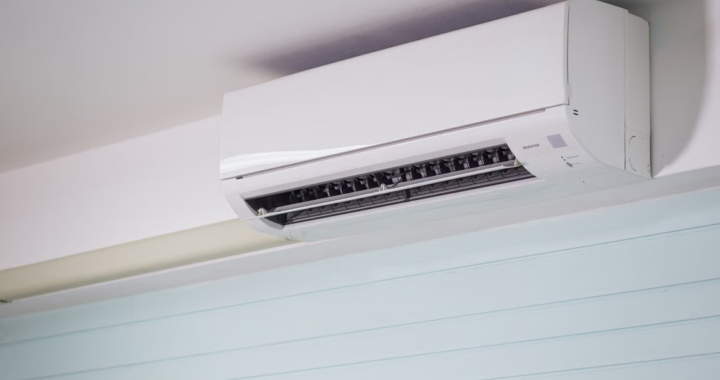 Reasons Why My AC Might Be Blowing Warm Air
  Window Replacement in Calgary: Cost Guide & Energy-Efficient Options for Alberta
Winters
Window Replacement in Calgary: Cost Guide & Energy-Efficient Options for Alberta
Winters