
My Neighbor Mentioned Backflow Testing: Do I Need It Too?
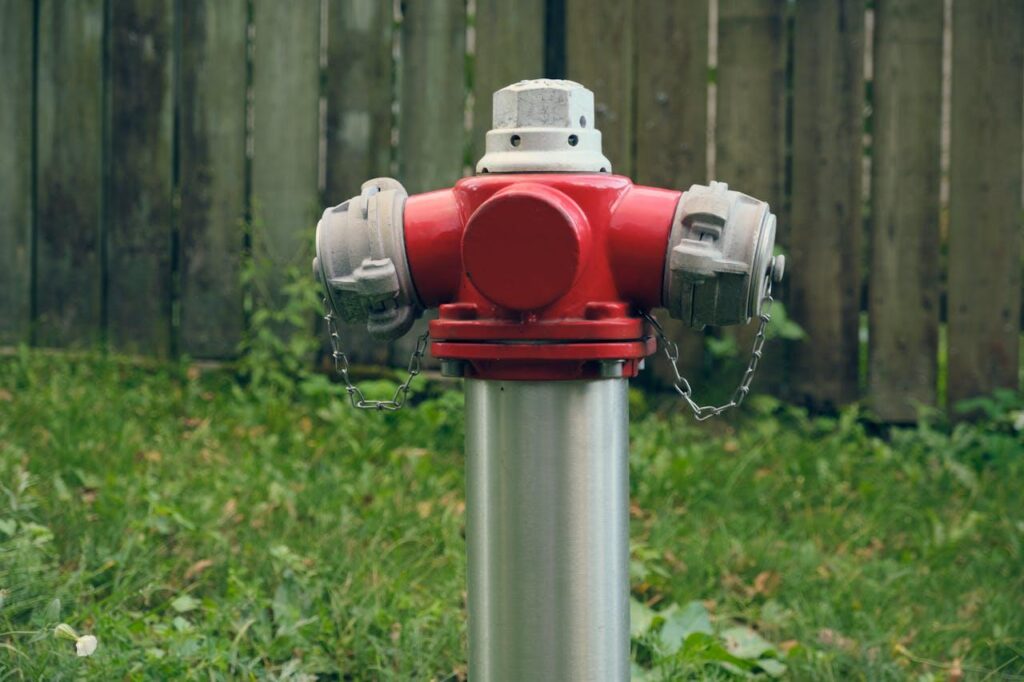
You were chatting with your neighbor, and they casually mentioned they just had a backflow test done. Now you’re wondering if that’s something you need to worry about, too. It’s a fair question, and honestly, it’s one a lot of homeowners don’t know the answer to until someone else brings it up. This post breaks it all down in plain language so you can figure out where you stand.
What Backflow Means for Your Home
Your home’s plumbing works in one direction: clean water comes in, wastewater goes out. Backflow is when that process reverses. Dirty water, chemicals, or other contaminants from your pipes or yard can flow backward into the clean water supply. It sounds unusual, but it happens more often than people think.
The most common cause is a sudden drop in water pressure. This can happen when a water main breaks, when firefighters draw large amounts of water nearby, or even during certain irrigation situations. When pressure drops, water can get pulled back in the wrong direction, pulling along anything that was sitting in your pipes or connected hoses.
This isn’t just a theory; it’s the reason backflow prevention devices exist in the first place. They act as a one-way gate, stopping contaminated water from ever making it back into your drinking supply, which is especially important in plumbing services where water safety and system integrity are critical.
How a Backflow Preventer Works
A backflow preventer is a mechanical device installed on your water line. It has internal valves and chambers designed to allow water to move only in one direction. If pressure ever reverses, the device closes off and blocks the backward flow.
There are different types depending on the risk level of your property. Residential homes with irrigation systems, pools, or outdoor hose connections typically use a device called a reduced-pressure zone (RPZ) assembly or a pressure vacuum breaker. Commercial properties or places that use chemicals in their water systems usually need more heavy-duty options.
Why Regular Testing Keeps Things Running Right
Having a backflow preventer installed is only part of the story. Like any mechanical device, it can wear out, stick, or fail over time. Testing checks that the device is actually doing its job, not just sitting there looking like it is.
A trained professional uses specialized gauges to measure whether the check valves inside the device are holding pressure correctly. If a valve is slow to close or not sealing properly, they catch it before it becomes a real problem. Most backflow preventers need to be tested once a year.
If you live in an area like Southern California and want to stay on top of this, San Diego Backflow Testing services are available through licensed professionals who handle both residential and commercial properties. Scheduling an annual test is one of those maintenance tasks that’s easy to overlook but important to keep current.
Local water authorities often require proof of annual testing. If you skip it, you could receive a notice, or in some cases, have your water service affected. It’s worth treating it the same way you’d treat an annual HVAC inspection, just part of keeping your home systems in order.
Key points from this blog
|
Signs You Already Have a Device (and Don’t Know It)
Many homeowners don’t realize they already have a backflow preventer installed. If your home was built in the last 30 years, or if you have an in-ground sprinkler system, there’s a strong chance one was put in when the system was set up.
Look near your water meter, in your utility room, or close to where your irrigation system connects to the main line. Backflow preventers are usually brass or bronze fittings with a couple of test ports sticking out of them. They might also have a small relief valve that drips slightly when pressure changes. That’s normal and actually a sign the device is working.
When Something Feels Off: Pressure, Drips, and Other Clues
A few signs can point to a backflow preventer that needs attention. Low water pressure throughout your home, especially after it was fine before, can sometimes trace back to a stuck or failing device. A visible drip or trickle of water near the device when nothing should be running is another flag worth checking.
|
Worth noting: A small drip from the relief valve is normal under water pressure changes. A constant stream, however, usually means the valve isn’t seating correctly and should be looked at by a professional. |
You don’t need to diagnose the problem yourself; that’s what certified testers are for. Just knowing what looks unusual helps you know when to make the call.
Do You Need Testing, or Can You Skip It?
Short answer: If you have a backflow preventer, you likely need annual testing, and in most cities, it’s not optional. Your local water utility keeps records of which properties have preventers installed, and they send out testing reminders or requirements on a set schedule.
If you’re not sure whether you have a device or whether your municipality requires testing, the easiest step is to call your local water utility and ask. They’ll tell you exactly what applies to your address. You can also ask a licensed plumber to do a quick check during any service visit.
Your neighbor got their test done for a reason. It keeps their water safe, keeps them in compliance, and takes maybe 30 minutes once a year. If you’re in a similar setup, it’s worth doing the same. It’s a small task that protects something important.
Q1: What is backflow, and why should I be concerned about it?
Answer: Backflow occurs when water pressure drops and contaminated water flows back into your clean water supply. This can happen due to various reasons, like a water main break or heavy water use nearby. It’s important to be concerned because backflow can introduce harmful contaminants into your drinking water.
Q2: How does a backflow preventer work?
Answer: A backflow preventer is a mechanical device installed on your water line that allows water to flow in only one direction. If there’s a pressure drop, the device closes off to prevent contaminated water from flowing back into your clean water supply.
Q3: How often do I need to test my backflow preventer?
Answer: Most backflow preventers need to be tested once a year to ensure they are functioning properly. Regular testing is crucial because even a well-installed device can wear out or fail over time.
Q4: What should I do if I suspect my backflow preventer is failing?
Answer: If you’re experiencing low water pressure or see a drip near the device, it might be a sign that your backflow preventer needs attention. It’s best to call San Diego Backflow Testing, a certified backflow tester, for a professional evaluation. They can diagnose and resolve any issues to keep your water safe.
About The Author

 How to Plan Whole-House Cabinetry for a Renovation or New Build
  Reasons Why My AC Might Be Blowing Warm Air
  Window Replacement in Calgary: Cost Guide & Energy-Efficient Options for Alberta
Winters
Window Replacement in Calgary: Cost Guide & Energy-Efficient Options for Alberta
Winters