
5 Things to Consider When Choosing Soil for Landscaping
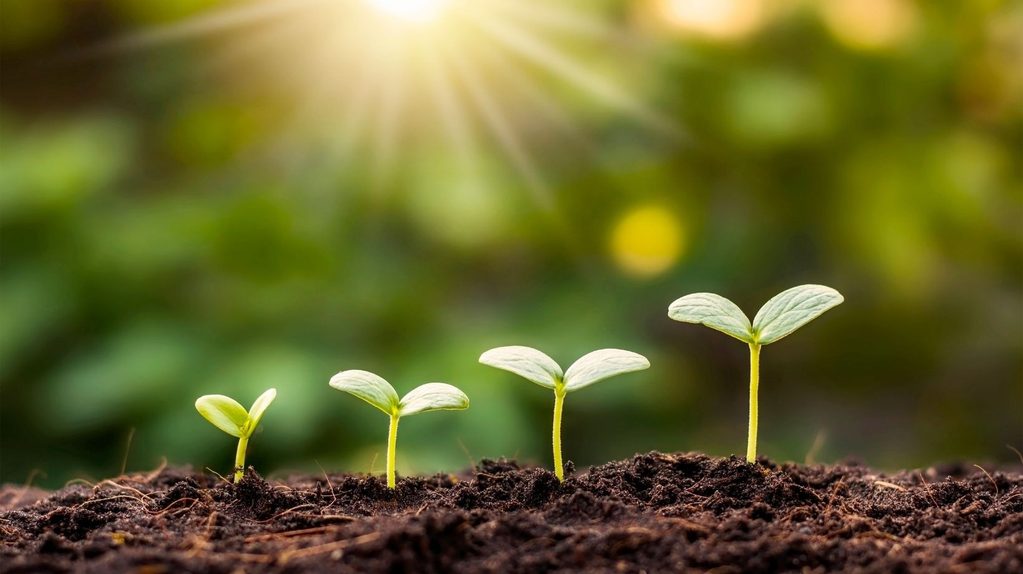
A healthy landscape starts beneath the surface. Whether you’re planting flower beds, creating a vegetable garden, installing shrubs, or improving your lawn, the soil plays a major role in how well plants establish and grow. Choosing the right soil isn’t simply about picking the darkest or richest-looking material. Factors such as drainage, texture, nutrients, and the needs of your plants all matter.
Before starting your next outdoor project, consider these five important factors to make a more informed soil choice.
1. Consider the Type of Plants You Are Growing
Different plants thrive in different soil conditions. Before purchasing soil, identify what you plan to grow and research its preferred growing environment.
For example, many flowering plants perform well in loose, nutrient-rich soil, while some drought-tolerant plants prefer sandy or gravelly conditions that drain quickly. Trees and shrubs may also have different requirements from annual flowers or vegetables.
Matching the soil to your plants can help create better growing conditions and reduce problems later. If your landscape contains several plant types, consider whether a versatile soil blend can meet most of their needs.
2. Check Drainage and Moisture Retention
Drainage is one of the most important characteristics of landscape soil. Soil that holds too much water can leave plant roots saturated, potentially contributing to root problems. On the other hand, soil that drains excessively quickly may not retain enough moisture for plants to remain hydrated.
A balanced soil should generally allow excess water to move away while retaining enough moisture for roots to access between watering sessions.
You can test your existing soil by digging a small hole, filling it with water, and observing how quickly the water disappears. Very slow drainage may indicate compacted or heavy soil, while extremely rapid drainage may suggest a lack of organic matter or moisture-holding material.
3. Pay Attention to Soil Texture
Soil texture describes the proportions of sand, silt, and clay within the soil. These components influence drainage, aeration, nutrient availability, and how easily roots can grow.
Clay-heavy soil can retain substantial moisture but may become compacted. Sandy soil typically drains quickly but can struggle to hold water and nutrients. Loamy soil, which contains a balanced combination of soil particles and organic matter, is often suitable for a wide range of landscaping applications.
When selecting soil for landscaping, look for a texture that supports the specific plants and conditions in your yard rather than choosing based solely on appearance.
4. Look at Organic Matter and Nutrient Content
Plants need nutrients to develop strong roots, foliage, flowers, and fruit. Organic matter can also improve soil structure, water retention, and microbial activity.
Compost and other forms of decomposed organic material are commonly used to improve poor or depleted soil. However, adding more nutrients isn’t always better. Excessive fertilizer or certain nutrients can create an imbalance and negatively affect plant growth.
If you’re unsure about your existing soil, consider having it tested. A basic soil test can provide information about nutrient levels and pH, helping you determine whether amendments are actually necessary.
When buying new material, review the product information to understand its intended use and composition. A suitable blend can make it easier to establish healthy planting areas without unnecessary amendments.
5. Think About Your Landscape’s Long-Term Needs
Choosing soil shouldn’t be based only on what your yard needs today. Consider how the landscape will be maintained over the coming seasons.
Think about factors such as rainfall, irrigation, plant growth, foot traffic, erosion, and seasonal changes. A soil blend that works well for a decorative flower bed may not be the best option for an area exposed to frequent traffic or poor drainage.
It’s also useful to calculate how much material you’ll need before purchasing. Measure the length and width of the planting area and determine the desired soil depth. Buying the appropriate amount can help avoid unnecessary waste and ensure consistent coverage.
Make Soil Selection Part of Your Landscaping Plan
Good landscaping begins with understanding the conditions below the surface. Before choosing soil, evaluate your plants, drainage, texture, nutrient requirements, and long-term maintenance needs. These considerations can help you select material that supports healthier roots and a more resilient landscape.
Whether you’re refreshing an existing garden bed or starting a completely new project, taking time to choose the right soil can make planting easier and give your landscape a stronger foundation for years to come.
About The Author

 The Visual Gaps That Stand Out in Listing Photography
  Understanding Load Calculations Before Expanding Your Property
  How Epoxy Flooring Improves Busy Commercial and Industrial Spaces?