
How Epoxy Flooring Improves Busy Commercial and Industrial Spaces?
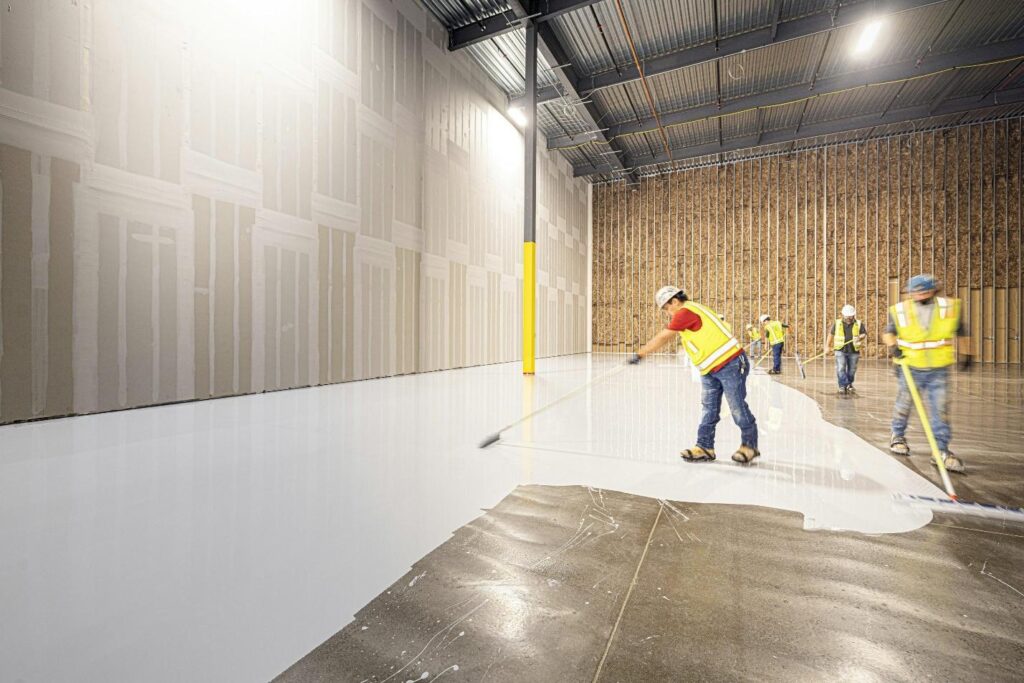
Commercial facilities experience much more foot traffic than homes. Carts that carry supplies can cross the same route as employees, and there’s machinery that may remain in operation for hours at a time. In Vancouver, temperature changes can add another layer of stress to exposed concrete.
These pressures can affect more than the floor’s appearance. Some areas may develop cracks that make the workplace harder to clean. This can disrupt traffic patterns, and stains that may appear can create an unprofessional impression. When this kind of damage is left alone, the repairs can become more complex because the underlying slab is left vulnerable to repeated impacts. See more about a slab when you click here.
Fortunately, there are coating systems that can provide a durable barrier so spaces will have a more consistent finish. It’s best to match the materials to the building’s actual needs, where busy showrooms often don’t have the same requirements as the floors of a manufacturing plant.
How to Meet the Daily Demands of a Busy Facility?
Busy operations may experience different forms of wear, like foot traffic that can dull surfaces or rolling toolboxes that can cause cracks due to concentrated pressure. Oil spilt from containers on loaded pallets may penetrate bare concrete, leaving discolouration that ordinary washing cannot easily remove.
Fortunately, there are options for many property owners, and one of them is Epoxy Flooring that bonds well to a well-prepared slab. It can form a protective layer, and the right formulation can resist abrasion that can affect routine impacts. This kind of protection can preserve concrete, and it makes the visible surfaces more suitable for everyday use.
Experienced installers can recommend a customised coating system based on the facility’s traffic, operating conditions and appearance requirements. They have extensive experience in the polyaspartic industry, so one can rest assured that each project is completed to the highest standards.
Why Does Surface Preparation Determine Performance?
Even if one buys a high-performance epoxy material, the results won’t be excellent if there’s inadequate surface preparation. If dirt and other contaminants are not removed, they can interfere with adhesion and cause the new layer to peel. Professional installers generally inspect the slab, identify moisture concerns and determine whether any previous coating must be removed before applying the new system.
The professionals will repair spalled sections and clean everything before any coating is applied. These steps can require time, but they can establish an excellent foundation for consistent curing.
How to Select the Right Flooring System for Each Area?
Epoxy floors can provide a durable base for interior areas, while a fast-curing polyaspartic topcoat can improve the floor’s resistance to UV-related discolouration. The two can work well together in places where windows expose sections of the floor to direct sunlight.
Many property owners choose a decorative flake system to make minor dust less noticeable between cleanings, making it practical for areas such as garages. a more uniform appearance, which can be ideal for workrooms. Facilities that are frequently exposed to harsh cleaners may require urethane cement instead of just the standard resin coats.
Basements often have cold concrete that can give off a damp feeling. Proper epoxy can seal everything and avoid dust from surfacing and this can be done without pouring additional concrete on the floor.
How to Support Cleaner Workplaces?
Seamless epoxy doesn’t have several grout lines where the dirt can settle, so spills can still remain on the surface long enough to be cleaned before they soak into the concrete (https://www.designingbuildings.co.uk/wiki/Concrete). It creates a non-porous surface, so it gives more time to clean them, and this is great for food facilities and other workplaces where regular sanitation is a must.
Traction can also be adjusted by adding aggregate or choosing a textured flake finish in areas that are frequently exposed to water. The clear markings can be added later to identify work zones and other restricted sections so employees can navigate the active facilities more confidently.
How to Minimise Disruption During Installation?
Floor improvements don’t generally require a business to close for a month because large projects can often be divided into sections. This way, the employees can move temporarily to another area while the contractors work during off hours. Schedules can depend on the materials to be used and the size of the site. Fast-curing systems can help businesses start their operation relatively quickly, while extensive repairs may take more time.
Extending Value Through Practical Maintenance

After installation, the sealed surface is generally easier to maintain than porous concrete. Routine sweeping removes abrasive grit, while occasional washing lifts dirt and residue. Maintenance should also include periodic inspections for scratches so a worn topcoat can be refreshed with protective layers. Contact experienced installers to discuss suitable products and warranty-backed installation options.
About The Author

 Itzhak Ezratti on Building Communities That Last: A Founder’s Philosophy on
Long-Term Development
Itzhak Ezratti on Building Communities That Last: A Founder’s Philosophy on
Long-Term Development  Why Spartanburg Homeowners Keep Getting the Same Drain Clog and What It Could Mean
  Why Mobility Matters in the Kitchen