
How Spray Foam Insulation Can Improve Your Home’s Energy Efficiency
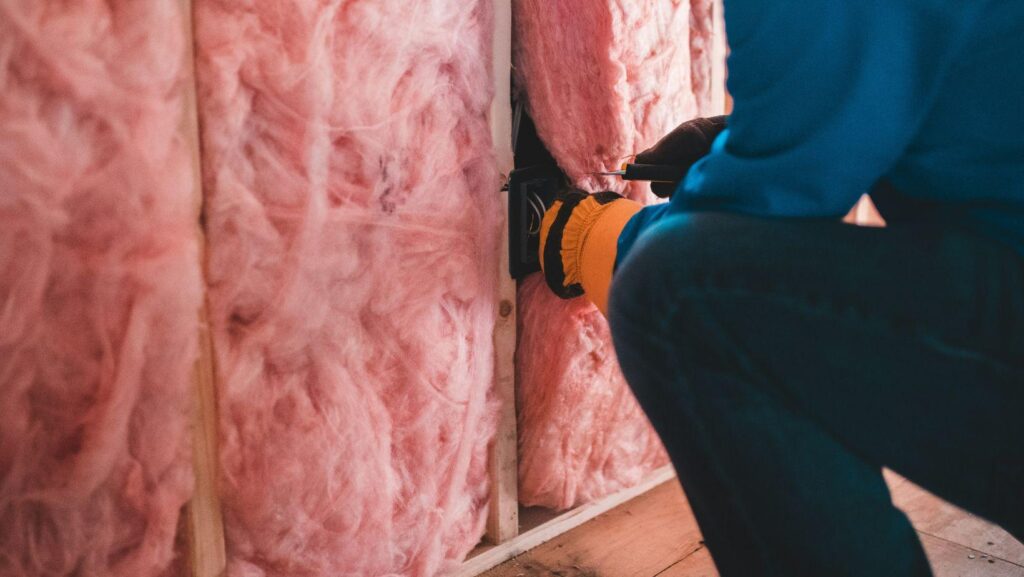
Heating and cooling often account for a large share of household energy use. When conditioned air escapes through gaps around walls, ceilings, rooflines, and other parts of your home, your HVAC system works longer to maintain a comfortable temperature. The result is higher energy use and uneven indoor comfort.
Good home insulation addresses this problem by slowing heat transfer. Spray foam insulation goes a step further by combining thermal resistance with air sealing. Once installed in suitable areas, the material expands to fill small gaps and spaces where air leakage often occurs.
Understanding how this insulation works helps you decide whether it fits your energy efficiency goals.
What Is Spray Foam Insulation?
Spray foam insulation starts as a liquid mixture. During installation, the material expands and hardens inside a wall cavity, attic, roofline, or another suitable space. The expansion helps the foam fit around irregular surfaces and small openings.
This characteristic separates spray foam from many traditional insulation materials.
How Spray Foam Insulation Works
Heat naturally moves from warmer areas toward cooler areas. During winter, indoor heat moves toward colder exterior spaces. During summer, outdoor heat works its way into a cooled home.
Spray foam thermal insulation slows this transfer. At the same time, the foam helps limit unwanted airflow through gaps in the building envelope.
Open-Cell vs. Closed-Cell Spray Foam Insulation
Open-cell foam has a softer and less dense structure. Installers often use this option in interior applications where sound control and air sealing matter.
Closed-cell foam has a denser structure and offers a higher R-value per inch. The right choice depends on the installation area, building design, moisture conditions, and insulation goals.
Why Home Insulation Matters for Energy Efficiency
Insulation and air sealing work closely together. A house might have insulation in its walls and attic, yet small gaps still allow conditioned air to escape.
According to the U.S. Department of Energy, heating and cooling account for a significant portion of energy use in an average home. Improving insulation and reducing air leakage therefore gives homeowners a practical way to manage energy consumption.
How Heat Transfer Affects Indoor Comfort
Poorly insulated spaces often develop temperature differences. One bedroom feels warm while another stays cold. Upstairs areas become uncomfortable during summer. Floors above garages or crawl spaces feel colder during winter.
Energy efficient insulation helps reduce these variations by creating stronger thermal boundaries between conditioned and unconditioned spaces.
How Spray Foam Insulation Improves Energy Efficiency
One of the main benefits of spray foam insulation comes from addressing thermal resistance and air leakage within the same application.
Creates an Effective Air Seal
Small gaps around framing, roof penetrations, plumbing lines, and other building components allow uncontrolled air movement. When installed correctly, spray foam expands into these spaces and forms a continuous barrier.
An energy assessment helps identify air leaks, damaged materials, and areas with weak insulation coverage. Local climate and building design also influence material selection. For example, homeowners comparing insulation services in Pleasant Grove, Utah should ask how each provider evaluates air leakage, moisture, ventilation, and existing insulation before recommending an upgrade.
Reduces Unwanted Heat Loss and Heat Gain
Insulation for energy savings works by reducing heat movement through the building envelope. Less heat escapes during cold weather. During warmer months, less exterior heat enters conditioned rooms.
Your heating and cooling equipment then faces less demand throughout the year.
Helps HVAC Systems Work More Efficiently
Air leaks force HVAC equipment to replace conditioned air more often. Sealing those leaks reduces unnecessary workload.
This does not mean insulation alone determines energy costs. HVAC efficiency, thermostat settings, windows, climate, home size, and household habits all affect consumption. Still, insulation forms an important part of an efficient building envelope.
Key Spray Foam Insulation Benefits for Homeowners
Energy performance often receives the most attention, but indoor comfort matters too.
More Consistent Indoor Temperatures
Air leakage contributes to drafts and temperature swings. Air sealing insulation helps limit uncontrolled airflow, which supports steadier temperatures between rooms.
This difference becomes especially noticeable in spaces near attics, exterior walls, garages, and crawl spaces.
Long-Term Insulation Performance
Spray foam adheres directly to suitable building surfaces. Proper installation helps the material maintain its position without the settling associated with some loose-fill products.
Installation quality matters. Poor application, unsuitable thickness, or failure to address moisture conditions reduces performance.
Where Does Spray Foam Work Best in a Home?
Different parts of a house lose energy in different ways. An insulation assessment helps identify where improvements offer the greatest value.
Attics and Rooflines
Attics often deserve early attention because heat moves readily between living areas and roof spaces. Gaps around penetrations also contribute to air leakage.
Spray foam insulation for homes often appears along rooflines or other attic surfaces when the building design supports this approach.
Exterior Walls and Other Hard-to-Seal Areas
Wall cavities, rim joists, crawl spaces, and areas around structural components often contain irregular gaps. Expanding foam fits around many of these spaces more closely than rigid materials.
Homeowners researching contractors such as Whitecap Enterprises should still compare proposed insulation types, installation methods, project scope, and building requirements before selecting an approach.
Spray Foam vs. Traditional Energy Efficient Insulation
No single insulation material suits every house.
Fiberglass remains widely used because installers place batts between framing members or apply loose-fill fiberglass in suitable areas. Blown-in insulation works well for many attic applications and enclosed spaces.
Spray foam differs because air sealing forms part of its function. Traditional insulation often requires separate sealing work around gaps and penetrations.
The best option depends on your existing insulation, construction type, budget, ventilation strategy, and target R-value.
Does Spray Foam Help Reduce Energy Bills?
Reducing energy bills with insulation depends on where your home loses energy before the work begins.
A poorly sealed attic with insufficient insulation presents greater improvement potential than a newer home with an efficient thermal envelope. This explains why homeowners should avoid relying on a fixed savings percentage.
Start with an energy assessment when possible. Look for drafts, inconsistent room temperatures, aging insulation, high heating or cooling use, and visible gaps around accessible building components.
What Should You Consider Before Installation?
Proper planning improves insulation performance.
First, identify the areas responsible for heat loss or unwanted air movement. Next, review existing insulation and moisture conditions. You should also consider ventilation requirements, especially when extensive air sealing makes a building tighter.
Professional installation deserves attention because spray foam requires correct mixing, application thickness, surface preparation, and safety procedures. Ask prospective installers how they determine the appropriate foam type and insulation depth for each area.
Is Spray Foam Insulation Right for Your Energy Efficiency Goals?
Spray foam insulation offers a practical approach to improving the thermal envelope of a home. Its combination of thermal resistance and air sealing helps reduce unwanted heat transfer, limit drafts, and support more consistent indoor temperatures.
Your next step should focus on the condition of your home rather than choosing a material based on one benefit. Review your attic, walls, crawl spaces, and other areas where energy loss occurs. Consider an energy assessment if heating and cooling costs seem high or rooms remain difficult to keep comfortable.
Once you know where the problems exist, compare insulation options based on R-value, air sealing needs, moisture conditions, installation requirements, and long-term performance. A well-planned insulation upgrade gives your home a stronger foundation for better energy efficiency and year-round comfort.
About The Author

 Itzhak Ezratti on Building Communities That Last: A Founder’s Philosophy on
Long-Term Development
Itzhak Ezratti on Building Communities That Last: A Founder’s Philosophy on
Long-Term Development  Why Spartanburg Homeowners Keep Getting the Same Drain Clog and What It Could Mean
  Why Mobility Matters in the Kitchen