
How to Plan and Build a Backyard Fence
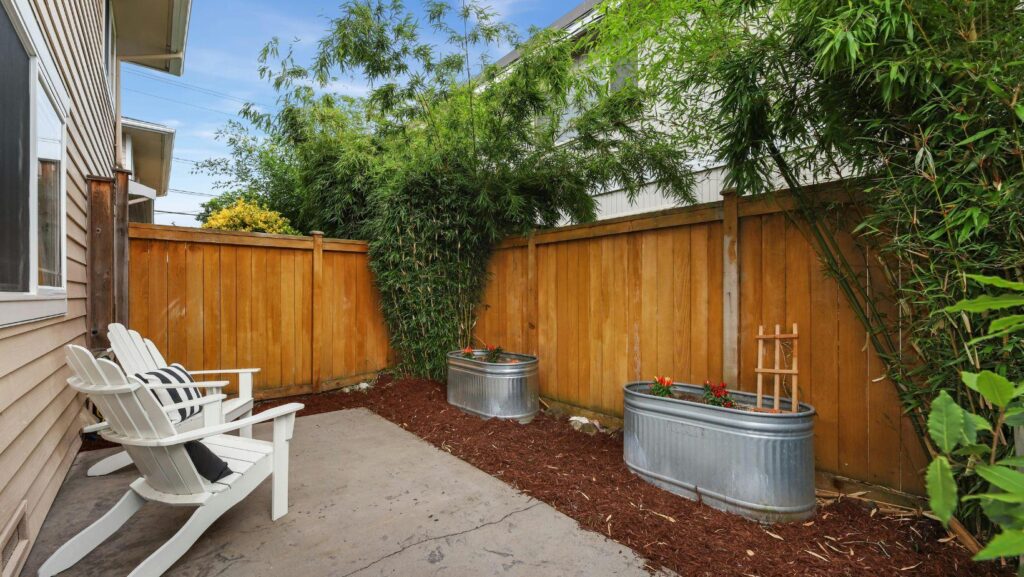
Building a new fence can improve privacy, define property boundaries, protect garden areas, and completely change the appearance of a backyard. While smaller fencing projects can be manageable for experienced DIYers, larger installations involve digging, heavy materials, power tools, and sometimes multiple people working around the property. When work takes place near driveways, equipment, or material deliveries, hi vis vests can help workers remain more visible as part of an appropriately planned worksite.
Decide What You Want the Fence to Achieve
Before buying materials, determine the main purpose of the fence.
Homeowners commonly install fencing for:
Your objective will influence the height, material, design, and placement of the finished fence.
Confirm the Property Boundary
One of the most important steps happens before construction begins.
Make sure you know exactly where your property ends and neighbouring land begins. Existing fences aren’t always positioned precisely along the legal boundary.
Depending on your location and project, you may need to review property documents, local requirements, or consult a professional surveyor.
Taking the time to confirm the boundary can prevent disagreements and expensive changes later.
Check Local Requirements
Fencing requirements can vary considerably between locations.
Before beginning the project, check whether there are restrictions involving:
Homeowners’ associations may have additional rules relating to materials, colours, or designs.
Choose the Right Material
Different fencing materials offer different advantages.
Wood Fencing
Wood provides a traditional appearance and can be customized with different stains, paints, and designs.
However, it generally requires ongoing maintenance.
Vinyl Fencing
Vinyl is relatively low maintenance and doesn’t require regular painting or staining.
It is available in numerous styles, including privacy and decorative designs.
Metal Fencing
Aluminum, steel, and other metal options can create a more open appearance while providing a durable property boundary.
The right choice depends on your budget, preferred appearance, maintenance expectations, and the purpose of the fence.
Plan the Gate Locations
Don’t treat gates as an afterthought.
Think about how people and equipment need to move through the yard.
You may need access for:
A narrow gate may work for everyday pedestrian access but become frustrating when larger equipment needs to enter the backyard.
Prepare the Fence Line
Clear the planned fence line before installation begins.
This may involve removing:
Keeping the work area clear makes measuring and installation considerably easier.
Before digging, make sure underground utilities have been properly identified according to local procedures.
Set the Posts Carefully
The posts form the foundation of the fence, so accuracy at this stage matters.
Poorly positioned posts can result in uneven panels and a fence line that becomes increasingly misaligned.
Take time to check:
Correcting a mistake before the posts are permanently secured is much easier than fixing it later.
Account for Sloped Ground
Not every backyard is perfectly level.
If the property slopes, determine how the fence will follow the terrain before installation.
Depending on the fence style, panels may be stepped or adjusted to follow the grade.
Planning this in advance creates a much cleaner finished appearance.
Keep Materials Organized
Fence projects can involve posts, panels, concrete, fasteners, tools, and large amounts of packaging.
Create designated areas for:
Avoid placing materials where they block driveways, pathways, or access to the work area.
Regular cleanup can make the project easier to manage as construction progresses.
Finish the Landscaping
Once the fence is installed, the surrounding landscaping can help integrate it into the garden.
Consider adding:
Planting can soften long fence lines and make the new structure feel like an intentional part of the landscape.
Final Thoughts
Building a backyard fence requires more planning than simply installing a row of panels. Property boundaries, local requirements, materials, post placement, gates, and ground conditions should all be considered before construction begins.
Take extra time during the measuring and post-setting stages. A carefully planned foundation makes the rest of the installation easier and can produce a fence that remains functional and attractive for years.
About The Author

 The Aussie Home Repair Kit: 8 Fixes You Can Do in Under Five Minutes
  How Landscaping Mulch Can Improve Soil Health, Moisture, and Curb Appeal
  5 Things to Consider When Choosing Soil for Landscaping