
The Preventative Home Maintenance Checklist Every North Carolina Homeowner Should Follow
Preventative maintenance protects your home by catching minor problems before they become expensive repairs. In North Carolina, humidity, heavy rain, seasonal storms, and pest activity make regular inspections especially important.
A manageable checklist does not require completing every task at once. Schedule these measures throughout the year to keep your property dry, efficient, and structurally sound.
Clean the Gutters
Clean your gutters at least twice a year to prevent blockages and overflowing water. Remove leaves, pine straw, and other debris that can force water beneath roofing materials or allow it to collect near the house.
Blocked gutters can send water over the edges, where it may damage fascia boards, stain siding, and collect around the foundation. Keeping gutters clear helps rainwater follow the intended drainage path instead of entering areas where it can cause rot, leaks, or erosion.
Inspect the Roof and Exterior
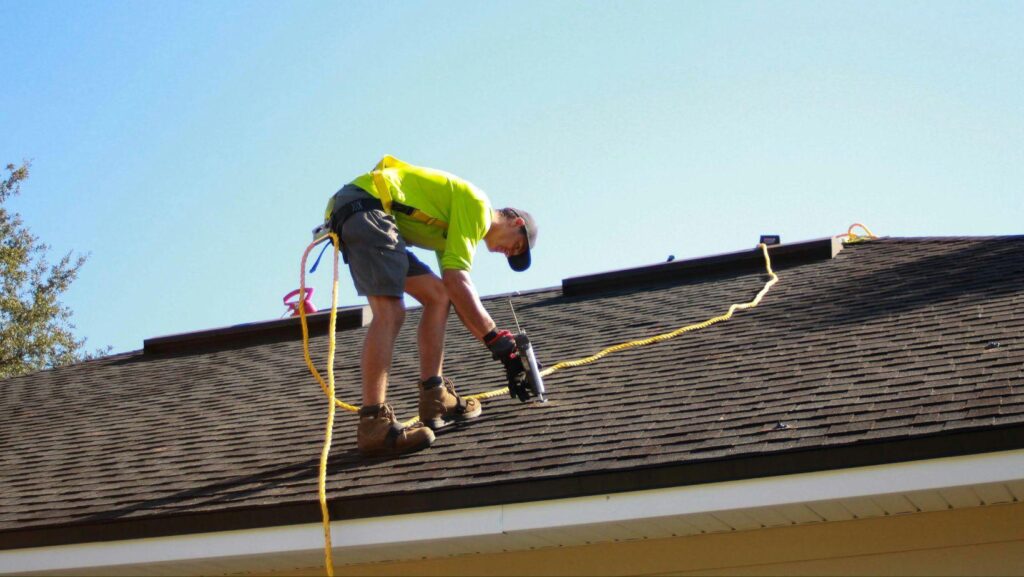
Inspect the roof every spring and fall so vulnerabilities can be repaired before severe weather arrives. Look for missing or curling shingles, damaged flashing, sagging areas, loose gutters, and branches hanging over the roof.
Check siding, windows, and exterior doors for cracks, gaps, or failed seals that could allow water inside.
Seal Openings and Schedule Pest Inspections
Inspect the foundation and exterior walls for cracks, damaged screens, loose weatherstripping, and gaps around pipes or utility lines. Sealing entry points helps keep out insects and rodents while improving indoor comfort.
And you should make use of professional pest services. They can identify subtle warning signs and vulnerable entry points that homeowners may overlook.
Regular inspections and targeted preventative treatments can stop pest activity early, reducing the risk of property damage and a larger infestation.
So, look for local services like Anticimex Carolinas, a pest control provider serving homes and businesses across North Carolina, which uses eco-friendly solutions, advanced SMART technology, and personalized treatment plans.
Control Moisture in Crawl Spaces and Living Areas
Inspect crawl spaces, basements, attics, bathrooms, and laundry rooms for water stains, condensation, mold, or musty odors. Repair leaking pipes, damaged seals, and roof leaks instead of hiding warning signs with paint.
Several simple habits can reduce indoor moisture:
Service Heating and Cooling Equipment
Replace HVAC filters according to the manufacturer’s instructions and arrange professional servicing before peak heating and cooling seasons. Clean filters support airflow, while routine servicing may reveal worn parts before the system fails.
Keep outdoor units free from weeds, leaves, and grass clippings. Maintain clear space around the equipment and avoid bending delicate fins while removing nearby debris.
Protect Pipes and Test Safety Equipment
Disconnect garden hoses and insulate exposed pipes before freezing weather arrives. Locate the main water shutoff so you can respond quickly if a pipe bursts or a fixture develops a serious leak.
Test smoke and carbon-monoxide detectors monthly and replace expired devices. Also, the North Carolina Department of Public Safety advises keeping generators outdoors and away from windows, doors, and vents during power outages.
Keep Your Preventative Home Maintenance Checklist on Schedule
Add each task to a seasonal calendar and record inspections, repairs, and professional services. Consistent records make it easier to notice recurring problems and plan future maintenance expenses.
Review your preventative home maintenance checklist every three months and contact qualified professionals when work requires specialized equipment or training.
Was this article helpful? If so, be sure to explore some of our related posts!
About The Author

 How to Plan and Build a Backyard Fence
  The Aussie Home Repair Kit: 8 Fixes You Can Do in Under Five Minutes
  How Landscaping Mulch Can Improve Soil Health, Moisture, and Curb Appeal