
Industrial Air Quality Standards Are Reshaping Home Workshop HVAC Design
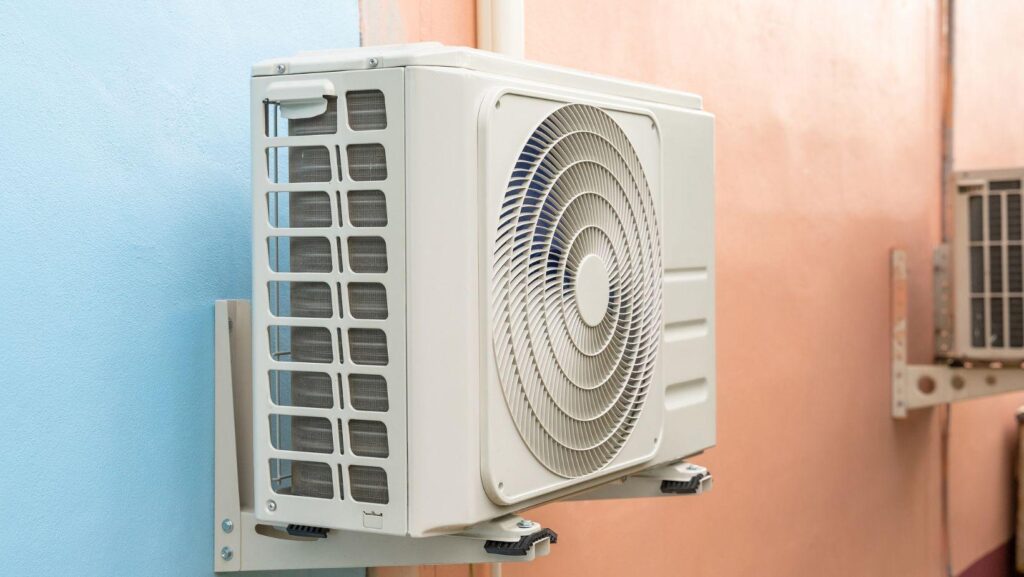
Homeowners investing in garage fabrication spaces want the same air quality protections that industrial shops demand. Your residential HVAC clients are now asking about extraction systems, multi-stage filtration, and compliance-grade ventilation because they understand that how do air purifiers work determines whether welding fumes stay in their workspace or get safely removed. This shift creates both a challenge and a service opportunity for contractors who can bridge residential comfort cooling and industrial-grade air handling.
Key Takeaways
- Home workshop owners increasingly expect industrial-level air filtration, not just residential HVAC comfort cooling
- Multi-stage filtration and source capture are no longer niche industrial concerns; they are becoming standard expectations in high-end home shops
- HVAC contractors who understand fume extraction principles can expand their service scope and command premium pricing
- Residential ventilation design now borrows heavily from industrial air quality standards, requiring contractors to learn new system layouts and component selection criteria
Why It Matters
The explosion of residential welding, woodworking, and fabrication spaces over the past five years has fundamentally changed what homeowners expect from their workshop HVAC systems. Ten years ago, a homeowner might ask for “better ventilation” in a garage shop. Today, they ask for system specifications that rival small commercial fabrication facilities.
This is not just about comfort or general air movement. Homeowners who invest in welding equipment or CNC machines are now researching air quality standards, particulate filtration ratings, and compliance considerations that used to exist only in industrial purchasing conversations. They understand that poor air quality in a confined garage space creates long-term health risks and reduces the resale value of their property.
Contractors who can only design traditional whole-house HVAC systems are losing these clients to specialists who understand industrial-grade extraction. The good news: the principles are learnable, and the market is expanding.
Understanding the Shift in Residential Workshop Expectations
Homeowners running serious fabrication operations in their garages have discovered that standard residential HVAC design does not work for welding, plasma cutting, or woodworking. A typical residential system is built to maintain comfortable temperature and humidity across living spaces. It is not designed to capture and remove concentrated sources of particulate, metal fumes, or dust at the point where they are generated.
When a homeowner welds in a garage without source capture, the fumes disperse throughout the space and often into the house through shared walls and HVAC returns. Standard filters designed for residential dust do not stop welding particulates or metal oxides. The homeowner quickly learns this is a problem when they notice dust settling on indoor surfaces or experience respiratory discomfort after working in the shop.
The contractors who win these projects are the ones who recognize that industrial air quality is now a residential service category. A contractor who can propose a simple wall-mounted or ceiling-mounted extraction arm positioned at the welding station solves the problem and differentiates themselves from competitors offering generic “workshop ventilation.”
The Technical Requirements That Changed Everything
Residential HVAC design traditionally assumes that exhaust air moves slowly through existing ductwork and exits through a single roof or wall penetration. Industrial-grade fume extraction works differently: it captures contaminants at the source using localized suction, pulls them through multi-stage filters, and exhausts clean air outside the building.
This fundamental difference drives several technical decisions that contractors now face:
Dedicated Extraction vs. System Integration: Many homeowners ask whether fume extraction can tie into their existing HVAC system. The answer is usually no. Welding fumes and metal particulates require dedicated extraction because they will clog residential filters and bypass standard return-air paths. A standalone extraction system avoids contaminating the house’s comfort cooling system.
Filter Staging and Replacement Costs: Industrial extraction uses pre-filters, primary filters, and sometimes secondary filtration. Each stage requires periodic replacement. Homeowners often underestimate the cost of filter maintenance over time. Contractors who explain this upfront and offer maintenance packages build long-term revenue streams.
Exhaust Placement and Outdoor Air: Unlike residential systems that often recirculate indoor air, industrial fume extraction must exhaust contaminated air completely outside the building. This requires exterior venting and typically a one-way damper to prevent backflow during cold weather. Design decisions about duct routing, damper selection, and exhaust hood height significantly affect system performance.
Noise and Sound Attenuation: Industrial extraction fans operate at higher volumes than residential HVAC equipment. Homeowners in suburban settings care about noise impact on their neighbors. Contractors who add sound attenuation materials or specify quieter-running equipment command premium pricing and customer loyalty.
Real-World Example: A Suburban Home Shop Installation
Consider a homeowner in a residential neighborhood who purchases a small MIG welding station and plasma cutter for his garage shop. He has been welding for two years in an unvented space and notices a persistent metallic smell even after leaving the garage, plus visible dust settling on his car parked outside.
He calls an HVAC contractor who listens carefully and proposes a solution:
- A wall-mounted extraction arm positioned 18 inches from the welding table, equipped with a flexible capture hood
- A two-stage filtration system: a larger pre-filter to catch heavy particulates and a nano-fiber primary filter to stop metal fumes
- Sealed flexible ductwork running through the garage wall to an outdoor exhaust, equipped with a spring-loaded damper to prevent cold air infiltration
- A separate control switch so the homeowner activates extraction only when welding
- A maintenance plan with pre-filter replacement every 40 hours of use and primary filter replacement every 6 months
Total system cost: around 2,500 dollars. Installation time: one day. The result: clean air in the garage, no fumes entering the house, and a homeowner who becomes an enthusiastic referral source to his neighbors who also have home shops.
This type of project was invisible to residential contractors five years ago. Today it is a growth market because homeowners expect professional-grade air quality in their fabrication spaces.
How Industrial Standards Are Influencing Residential Design
Many of the air quality standards driving residential shop design come from industrial and commercial regulatory environments. OSHA guidelines for welding environments, even though they technically apply to commercial operations, have become reference points for homeowners who want to operate safely.
Contractors who can reference these standards without overstating their applicability to residential spaces build credibility. A contractor might say, “Industrial welding facilities use multi-stage filtration and source capture because those methods actually work to keep air clean. Your home shop benefits from the same principles, scaled appropriately for your space and budget.”
This language connects the homeowner’s expectations to proven industrial methods without making claims about regulatory compliance that don’t apply to residential settings. It also signals that the contractor understands professional-grade air quality, not just residential comfort cooling.
Actionable Takeaways
- Assess your service territory for home workshop demand. Ask residential clients during routine service calls whether they use their garage for fabrication, welding, or woodworking. Many will express frustration about air quality or dust. This is your opening to propose extraction services.
- Build a one-page technical guide for extraction systems. Create a simple reference sheet explaining the difference between whole-house HVAC and industrial-grade extraction, the role of multi-stage filtration, and typical maintenance costs. Provide this to prospects to educate them before they meet with you.
- Partner or cross-train on fume extraction products. Research suppliers of portable extraction arms, wall-mounted systems, and replacement filters. Understand their specifications, noise ratings, and filter life. This knowledge positions you as an expert.
- Develop a maintenance program. Offer quarterly or semi-annual filter replacement and system inspections as a separate service revenue stream. This creates recurring customer touchpoints and allows you to monitor system performance over time.
- Market this service specifically to neighborhoods with active maker communities. Identify communities with high concentrations of hobbyists, fabricators, or small business owners running home-based operations. Direct marketing and local referral building will yield faster results than generic advertising.
Conclusion
The convergence of residential investment in workshop spaces and rising expectations for air quality has created a legitimate service category for HVAC contractors. This is not a temporary trend. As long as homeowners continue to invest in serious fabrication equipment, they will demand professional-grade ventilation and fume extraction.
Contractors who acknowledge this market shift and develop basic competency in extraction system design and installation will find themselves competing less on price and more on expertise. The homeowner who has already researched industrial air quality standards will pay premium pricing for a contractor who understands the technical requirements and can explain them clearly.
This opportunity sits at the intersection of residential HVAC knowledge and industrial-grade air handling. The contractors who master both will grow their business and serve clients better.
FAQ
Can a standard residential HVAC system handle welding fumes?
No. Residential HVAC systems are designed to filter dust and maintain comfortable temperature and humidity, not to capture and remove concentrated sources of metal fumes and welding particulates. Welding fumes require dedicated extraction systems with multi-stage filtration positioned at the point where fumes are generated. Attempting to use a residential system for industrial fume removal will clog filters, reduce comfort cooling performance, and fail to protect air quality.
How often do extraction system filters need replacement?
Replacement frequency depends on usage intensity and filter stage. Pre-filters typically require replacement every 40 to 80 hours of welding or fabrication work. Primary filters may last 6 to 12 months depending on air quality and source capture efficiency. A homeowner who welds several hours per week should plan on pre-filter replacement every 2 to 4 weeks and primary filter replacement every 6 months. Maintenance costs are ongoing and should be factored into the total cost of ownership.
What size extraction system do I need for a residential garage shop?
System sizing depends on the type of work, number of stations, and shop square footage. A single welding station in a typical two-car garage usually requires a portable or wall-mounted extractor with 300 to 500 cubic feet per minute (CFM) of capture capacity. If the shop includes multiple stations or processes like plasma cutting or grinding, higher CFM and multi-zone extraction become necessary. A professional assessment of your specific equipment and workspace is the most reliable way to determine appropriate system size.
Will a fume extraction system reduce noise in my workshop?
Extraction systems operate at higher volumes than residential HVAC equipment because they must move large volumes of air through filtration. A dedicated extraction system will add approximately 65 to 75 decibels of sound during operation. Sound attenuation materials, flexible ductwork, and dampers can reduce noise by 5 to 10 decibels. Wall-mounted or ceiling-mounted systems positioned away from work areas and living spaces help minimize noise impact on neighbors and household members.
Can I install an extraction system in a garage attached to my house?
Yes, but you must take precautions to prevent fumes from entering the living space. Use sealed ductwork and one-way dampers to ensure contaminated air exits outside and does not recirculate into the house. Keep the garage door open when welding or use positive exhaust pressure to push air out of the building. Seal gaps around shared walls and HVAC penetrations. An improperly installed system can allow fumes to enter your home, creating health risks and odor problems that affect your family and household value.
What is the typical cost of a residential fume extraction installation?
A basic wall-mounted or portable extraction system for a single welding station typically costs between 1,500 and 3,500 dollars including equipment, ductwork, and installation labor. Systems with higher CFM ratings, advanced filtration, or multiple capture points cost more. Budget an additional 200 to 500 dollars per year for filter replacement and maintenance. Professional installation by a contractor experienced in extraction systems is strongly recommended because improper duct routing and damper installation will significantly reduce performance.
About The Author

 Create Home Portrait Galleries: Unique and Modern Ways to Hang Photos and
Artwork
Create Home Portrait Galleries: Unique and Modern Ways to Hang Photos and
Artwork  Top 5 Reliable Garage Door Companies in Bellaire, TX
  The Preventative Home Maintenance Checklist Every North Carolina Homeowner
Should Follow
The Preventative Home Maintenance Checklist Every North Carolina Homeowner
Should Follow