
How to build a wood-fired pizza oven and is it worth the effort?
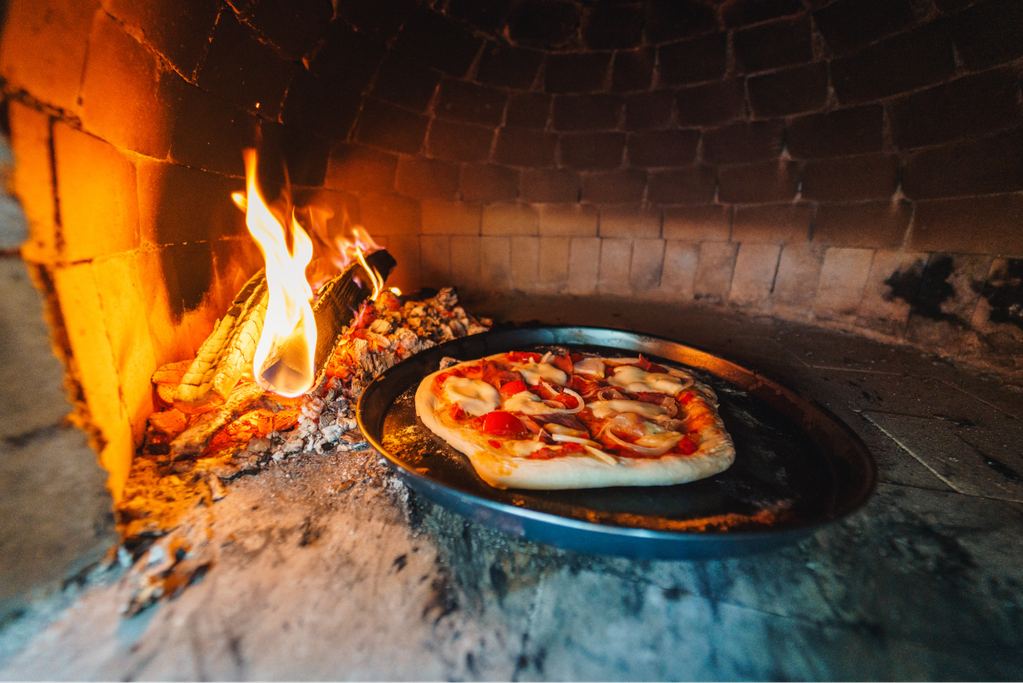
Imagine the enticing aroma of freshly baked pizza wafting through your backyard, the crust perfectly charred and the toppings sizzling just right. This dream can become a reality with your very own wood-fired pizza oven—an addition that not only enhances your culinary repertoire but also transforms your outdoor living space. Building a wood-fired pizza oven might sound daunting, but it’s a project that can bring immense satisfaction and a unique touch to your home cooking experience. In this guide, we’ll walk you through the steps of constructing your own oven and explore whether the time, effort, and investment are truly worth it. Whether you’re a seasoned DIY enthusiast or a curious beginner, get ready to ignite your passion for traditional cooking with a project that’s as rewarding as it is fun. Are you ready? Let’s start!
What is a wood-fired pizza oven?
A wood-fired pizza oven is a traditional cooking appliance that uses wood as its primary source of heat. Constructed from heat-retaining materials like fire bricks and refractory mortar, these ovens are designed to reach high temperatures quickly and maintain them for extended periods. The key feature of a brick oven is its dome-shaped design, which promotes even heat distribution for cooking. As the wood burns, it not only heats the oven but also imparts a unique, smoky flavour to the food, making it ideal for baking pizzas, breads, and other dishes with a distinctive taste and crispy texture.
Find the right location for your pizza oven
Selecting the perfect location for your pizza oven outdoor involves considering safety, convenience, and protection from the elements. The size of the oven should also align with your intended use, whether for large gatherings or family meals. Proper planning ensures efficient airflow and heat retention, crucial for the oven’s performance.
When designing pizza ovens, pay attention to the proportions of dome height and door height, as these affect how the oven heats and cooks. Drafting a precise blueprint is essential, whether you create your own or use pre-designed plans. This planning stage sets the foundation for a successful build, ensuring that the oven not only functions well but also becomes a lasting addition to your home.
What materials and tools are required?
Building a wood-fired pizza oven requires specific materials and tools. Key materials include fire bricks for the oven floor and dome, concrete for the base, and refractory mortar for assembling the bricks. Insulation materials like ceramic fibre blankets or vermiculite are crucial for heat retention.
When selecting materials for a wood-fired oven, it is important to use products designed to withstand repeated exposure to high temperatures. Specialist manufacturers such as Vitcas provide refractory and insulation materials intended for demanding high-temperature applications. Regardless of the manufacturer you choose, using suitable fire-resistant materials is essential for the durability, heat retention and safe operation of the oven.
The necessary tools for construction include a bricklayer’s trowel for mortar application, a level to ensure all components are even, and a measuring tape for accurate measurements. While not used in construction, a pizza peel is essential for handling pizzas in the hot oven. These materials and tools are typically available at local hardware stores, and selecting high-quality items will ensure the longevity and safety of your oven.
Let’s start! Step-by-step building guide
Building a wood-fired pizza oven is a rewarding project that involves several detailed steps, starting from the foundation to the final touches.
Step 1: Laying the Foundation
Begin by preparing the site for your oven. This involves levelling the ground and laying a concrete slab. The slab should be thick enough to support the weight of the oven and provide a stable base, preventing any structural movement that could cause cracks.
Step 2: Building the Oven Floor
Once the foundation has cured, start laying a few bricks to form the oven floor. Arrange the bricks in a herringbone pattern to enhance heat distribution and reduce the movement of the bricks as they expand under heat. Ensure the surface is flat and level, as this will be where you cook.
Step 3: Constructing the Dome
Next, build the dome using fire bricks. Start with the first course of bricks around the perimeter of the oven floor and continue layering them in a circular pattern. Each row of bricks should slightly overhang the one below it, gradually closing in to form the dome. Use a thin coat of refractory mortar to secure the bricks. A form or sand mound might be needed to support the bricks as you construct the dome.
Step 4: Insulation and Finishing Touches
After the dome is completed, apply a layer of refractory mortar over the outside of the dome to seal any gaps and enhance the oven’s heat retention. Follow this by adding a layer of ceramic fibre insulation and then a protective layer of render or another form of weatherproof insulation to protect against the elements.
Step 5: Curing the Oven
The final and crucial step is curing the oven, which involves lighting small, gradual fires to dry out the masonry slowly. This step is vital to prevent moisture trapped in the materials from causing cracks when exposed to high temperatures. Begin with small fires and gradually increase the size over several days, allowing the structure to dry and harden.
With patience and attention to detail, your wood-fired pizza oven will soon be ready for baking pizzas, bread, and other delicious meals, providing a focal point for gatherings and a source of pride for years to come!

Cooking and maintenance tips
Once your wood-fired pizza oven is built and properly cured, it’s time to start cooking. To manage firewood efficiently, use dry, well-seasoned wood that burns cleanly and hot. Begin with small pieces of kindling to establish a good base of embers, then add larger pieces to increase the heat. The right temperature is crucial; for pizza, the oven floor should reach about 426 °C. You can test this by sprinkling a little flour on the oven floor—if it burns off in a couple of seconds, the oven is ready.
When cooking pizza, use a pizza peel to slide them directly onto the hot oven floor, rotating them during cooking to ensure an evenly baked crust. Beyond pizzas, your oven can roast meats, bake bread, and even cook vegetables.
Regular maintenance will extend the life and performance of your oven. Sweep out ashes regularly and inspect the oven for cracks in the mortar or bricks. Minor cracks can be filled with refractory mortar to prevent heat loss. Additionally, keep the oven covered or erect a shelter to protect it from the elements, especially in harsh weather conditions.
Why is it worth building your own wood fired oven?
Building your own pizza oven offers several rewarding benefits that go beyond just the culinary advantages. The distinct, smoky flavour and perfect char that this type of oven imparts on foods cannot be replicated by standard kitchen ovens. Not only does this enhance the taste and quality of your dishes, particularly pizzas, but it also elevates your cooking experience to a professional level.
Moreover, a homemade wood-fired oven serves as a focal point for social gatherings, transforming meal preparation into an interactive and enjoyable event. The process of firing up the oven and cooking together can turn a simple meal into a memorable experience for friends and family.
Additionally, the personal satisfaction derived from building the oven yourself is immense. There’s a unique sense of accomplishment in creating something functional and beautiful from scratch, which can also add aesthetic and monetary value to your property.
In essence, the effort put into building your own wood-fired oven pays off with superior food quality, enhanced social interactions, and a deep sense of personal achievement, making it a worthwhile endeavour for any enthusiast.
Wood fired pizza oven – Conclusion
In conclusion, building a wood-fired pizza oven is a worthwhile project that extends beyond the simple joy of cooking. It enhances your culinary skills, enriches your social gatherings, and offers a profound sense of accomplishment. Whether you’re crafting crispy pizzas, roasting meats, or baking artisan breads, the unique flavours and textures achieved with a wood-fired oven make the effort truly rewarding. So, gather your materials, embrace the building process, and prepare to enjoy the delicious benefits and lasting memories that your own wood-fired oven will bring to your home.
Frequently Asked Questions
What materials do you need to build a wood-fired pizza oven?
The main materials include fire bricks for the oven floor and dome, refractory mortar for joining the bricks, concrete for the foundation and suitable insulation such as ceramic fibre blankets or vermiculite. Using materials designed to withstand high temperatures helps improve the durability and heat retention of the oven.
How hot should a wood-fired pizza oven be for cooking pizza?
For pizza, the oven floor should reach approximately 426°C (800°F). At this temperature, pizzas can cook quickly while developing a crisp crust and properly cooked toppings.
Why does a wood-fired pizza oven need to be cured?
Curing allows moisture trapped inside the masonry and refractory materials to escape gradually. Small fires should be lit first and increased in size over several days. Heating the oven too quickly may cause cracking.
What type of wood should be used in a pizza oven?
Dry, well-seasoned firewood is the best choice because it burns efficiently and produces consistent heat. Small pieces of kindling can be used to start the fire before larger pieces of wood are added.
Can you cook anything other than pizza in a wood-fired oven?
Yes. A wood-fired oven can also be used to bake bread, roast meats and prepare vegetables. Once you learn how to control the oven temperature, it can be used for a wide variety of dishes.
About The Author

 Basement Conversion Ideas for Heating, Flooring, and a Space-Saving Bed
  Packing, Moving, and Storage in Chicago: A Complete Relocation Strategy
  7 Landscaping Upgrades That Can Instantly Improve Your Home’s Curb Appeal