
How to Evaluate Home Advice From RapidHomeDirect
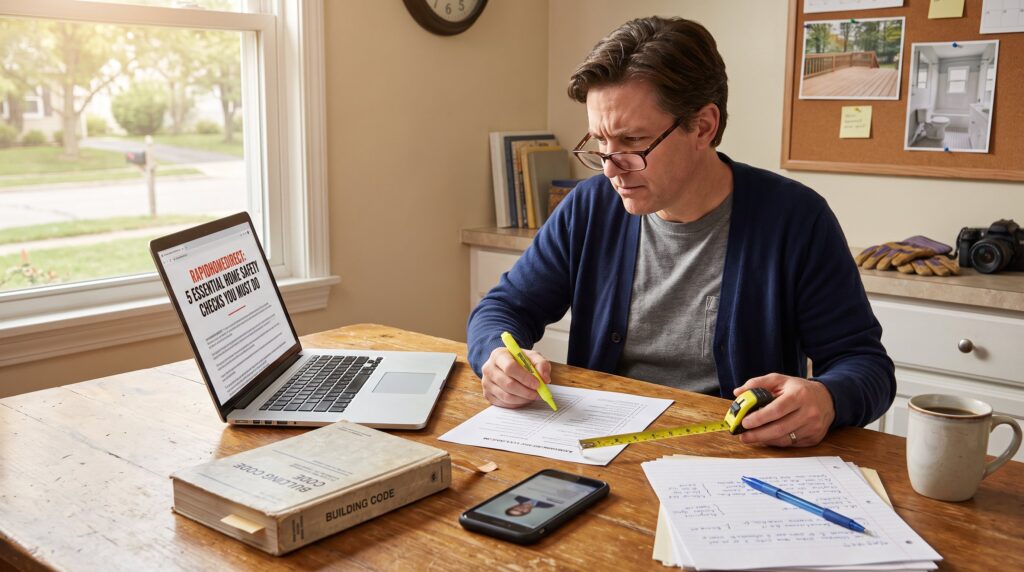
RapidHomeDirect advice appears practical at first glance. He or she reading it should still check basics before acting because home projects touch safety, structure, and budgets. This guide gives a compact, usable checklist for evaluating RapidHomeDirect guidance in 2026. It focuses on who wrote the piece, what evidence supports the steps, whether photos and specs match reality, and how to judge fit for a specific house, skill level, and wallet. Readers will get concrete checks they can run in minutes and links to deeper site pages when useful.
Key Takeaways
- Evaluate RapidHomeDirect advice by verifying author credentials and site editorial standards to ensure reliability.
- Check article sources and technical details against manufacturer instructions and building codes to confirm accuracy.
- Inspect photos and product specifications for consistency with described steps and real materials.
- Assess if the advice fits your home’s location, structure, your skill level, and budget before starting any project.
- Use the article as a starting point and consult licensed professionals when safety-critical or uncertain issues arise.
Why It Matters To Vet Home Advice Before You Act
Fact first: bad home advice can cause injury, structural damage, or unexpected costs. Home projects often interact with wiring, load-bearing framing, plumbing seals, and local code: a misplaced assumption in an article can multiply into a serious problem. For example, a homeowner following an unsourced deck-post spacing tip may under-size footings and trigger rot or collapse during a heavy snow season. RapidHomeDirect pieces sometimes recommend products or techniques that are fine for one climate or building type but unsafe in another.
Context: vetting fixes this risk. Quick checks, verifying credentials, testing whether photos align with described steps, and confirming measurements, take 10–30 minutes yet often prevent a $1,200 mistake. This section shows why that initial skepticism matters and what concrete harms it prevents: failed inspections, voided warranties, and emergency repairs. The rest of the checklist tells readers how to run those checks efficiently.
Check Author Credibility And Site Signals
Answer first: confirm who wrote the article and why they are qualified. An author with construction licenses, trade experience, or a long history covering home topics is more reliable than an anonymous writer. This ties into the resource guide published on the site.
Reading the byline and site context is the fastest credibility check. Look for an author name, biography, and links to other articles. RapidHomeDirect publishes author pages and features that reveal background: readers who want the author’s track record can review the site’s profile of Kenneth Stevenson for patterns in writing and expertise. For a quick comparison, check if the article links to product manuals or codes and whether the author regularly writes on repairs, those are positive signals.
Practical signs to flag: no byline: a byline but no bio: all articles pushing products from a single brand: or author pages that list marketing roles rather than hands-on experience. If those appear, treat the advice as promotional until you can cross-check.
Reading Bios, Credentials, And Editorial Standards
Fact first: bios and editorial policies show intent and oversight. An author bio that lists a contractor license, trade school, or decades of project work increases trust. Editorial standards, a stated fact-check process, corrections policy, or reviewer network, reduce the chance of technical errors.
How to inspect: open the author bio and count concrete credentials. Does the bio list a license number, years of field experience, or specialized training? Next, find the site’s editorial page and scan for a corrections policy, review process, or editorial contact. RapidHomeDirect‘s about and author pages often include these signals: readers can follow related links on the site to confirm the presence of editorial checks. If those pages are missing or vague, the reader should verify the article’s claims against independent sources before beginning work.
Warning: a long-sounding title like “home expert” without verifiable credentials is not the same as a licensed tradesperson. Prefer named credentials and verifiable affiliations.
Verify Sources, Evidence, And Technical Details
Direct answer: check citations, code references, and linked manuals. Good advice links to primary sources such as manufacturer instructions, building codes, or industry references. If an article states a load limit, screw size, or spacing requirement, there should be a source.
Practical steps: find the claim you plan to act on (for example, spacing for joist hangers). Then look for an inline citation or a product datasheet link. If none exists, cross-check with an independent source. For example, manufacturer installation guides and municipal code pages provide definitive numbers. When unsure about a safety-critical detail, consult a licensed professional rather than relying on an unsourced blog post.
A useful habit is to snapshot the article’s technical claims (take a photo or copy the text) and bring that to a pro or a manufacturer’s customer support line. This both verifies accuracy and protects the homeowner if something goes wrong. If the article references testing methods or comparisons, readers can also compare to testing standards used by reputable outlets.
Inspect Photos, Measurements, And Product Specifications
Clear fact: photos and specs must match the described work. A photo of a finished patch that doesn’t show the same tools or materials listed is a red flag.
What to verify: check that images show progressive steps, not only a polished final shot. Confirm that any stated measurements appear in the pictures (tape measures, labeled diagrams) or in linked product specs. If the article names a product, open the product’s technical sheet to match dimensions, weight limits, and installation notes. This prevents buying the wrong-sized brackets or missing a required substrate treatment. When images look like generic stock photos, flat lighting, model hands, or identical backgrounds used across unrelated posts, assume the visuals are illustrative rather than documentary.
A helpful tactic: reverse-image search a key photo if something feels off. That can reveal reuse from another project. Also cross-compare product ratings: if the article praises a specific brand, review customer or professional tests for real-world performance.
Assess Practicality For Your Home, Skills, And Budget
Direct insight: match the project to local conditions, skillset, and real costs before starting. RapidHomeDirect advice may assume a standard single-family frame in a temperate climate. That assumption fails in coastal salt-air regions, high-wind zones, or historic homes with nonstandard framing.
How to adapt: list three local constraints, climate, building type, and code, and compare them to the article’s assumptions. Next, list your tools and skill level honestly. If the job requires a mitre saw, structural shims, or working in confined spaces and you lack experience, factor in a pro’s hourly rate. RapidHomeDirect often links to product pages and material guides: readers should use those links to get current price estimates and delivery times. For budgeting, add a 15–30% contingency for waste, unexpected repairs, or code-required upgrades.
A real-world example: a homeowner planned a bathroom fan swap following an online guide. The article omitted that the existing duct passed through an uninsulated attic and the fan required an insulated housing. The retrofit cost rose by $420 after correcting that oversight. That exact kind of mismatch is preventable by matching article assumptions to the home’s facts.
Conclusion
Takeaway: systematically verify author credentials, source evidence, photos and specs, and the project’s fit with local conditions and skills. RapidHomeDirect content can be valuable, but treating each article as a starting point, not a final authority, keeps projects safe and on budget. When in doubt, consult a licensed professional and use the article’s links and author pages as part of that conversation.
About The Author

 How to Browse the Kenneth Stevenson Author Archive
  Beginner Home Improvement Guides by Kenneth Stevenson
  How Kenneth Stevenson Approaches Product Reviews