
Emergency Heating Failures That Happen At The Worst Possible Times
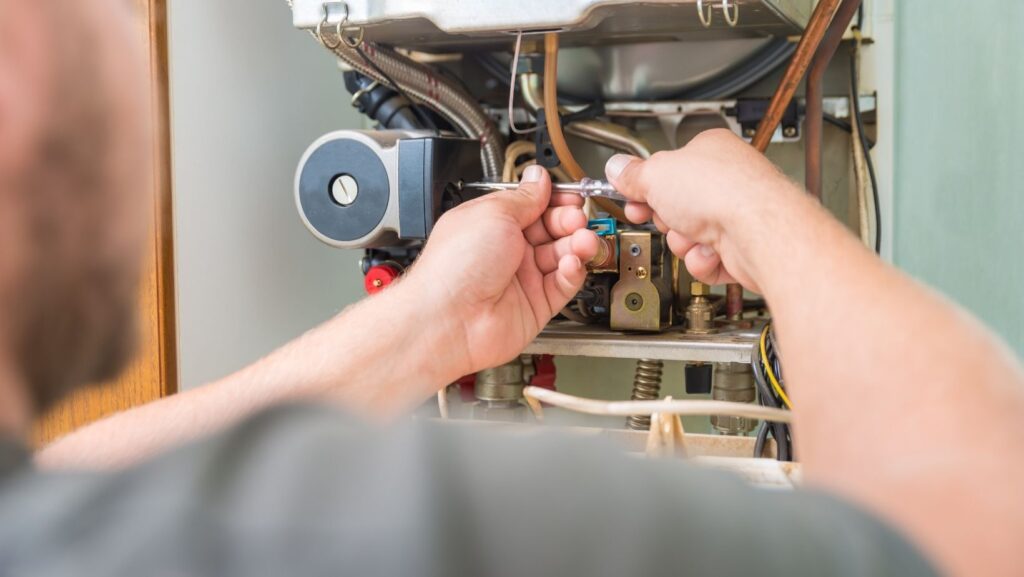
Calgary does not do mild winters. When it is minus twenty-eight, and the furnace stops working at ten in the evening, the problem is not inconvenient. It is urgent in a way that concentrates the mind considerably. Furnace repair Calgary technicians have seen every version of this situation. And the version that involves adequate prior maintenance is vanishingly rare.
1. The Igniter That Spent All Summer Doing Nothing
Instead of pilot lights, modern furnaces employ electronic igniters. These components degrade with time, and they degrade faster when they are left inactive during a warm season and then forced to work quickly when the first significant cold snap hits. The furnace that worked fine in March fails in October, not because something suddenly broke. Because something was quietly breaking all along, and nobody checked.
Furnace repair Calgary calls for ignition failures cluster every year in the first week of real cold. Pre-season inspections catch degrading igniters in September when the fix is a scheduled visit rather than a late-night emergency. The difference in cost between those two scenarios is substantial.
2. The Blower Motor That Gave Plenty of Warning
Blower motors do not typically fail silently. There are sounds first. Unusual ones. Then reduced airflow from the registers. Then a furnace that runs longer than it used to in order to reach the set temperature. These are signals. Ignored long enough, the motor fails, the furnace trips its safety limit, and the heat stops.
Every furnace repair Calgary technician who replaces a blower motor as an emergency asks the same question afterwards. Were there signs? There were always signs.
3. The Heat Exchanger Nobody Looked At
A cracked heat exchanger is a safety issue, not just a performance one. When the heat exchanger cracks, combustion gases, including carbon monoxide, can enter the air circulation and move through the home. The furnace may continue running with no external sign that anything is wrong. Which is, if anything, the more alarming version of the problem.
Annual inspections find heat exchanger cracks. Skipping those inspections means the crack develops undetected until either the furnace fails or a carbon monoxide detector triggers an evacuation. Both outcomes are worse than the inspection that would have caught it.
Conclusion
Emergency heating calls feel sudden. They rarely are. The igniter, the heat exchanger, and the blower motor all communicate before they quit. The question is whether anyone is paying attention during the months when the stakes are low enough to make fixing things easy.

About The Author

 Itzhak Ezratti on Building Communities That Last: A Founder’s Philosophy on
Long-Term Development
Itzhak Ezratti on Building Communities That Last: A Founder’s Philosophy on
Long-Term Development  Why Spartanburg Homeowners Keep Getting the Same Drain Clog and What It Could Mean
  Why Mobility Matters in the Kitchen