
Future-Proofing With Flexible Multi-Use Rooms
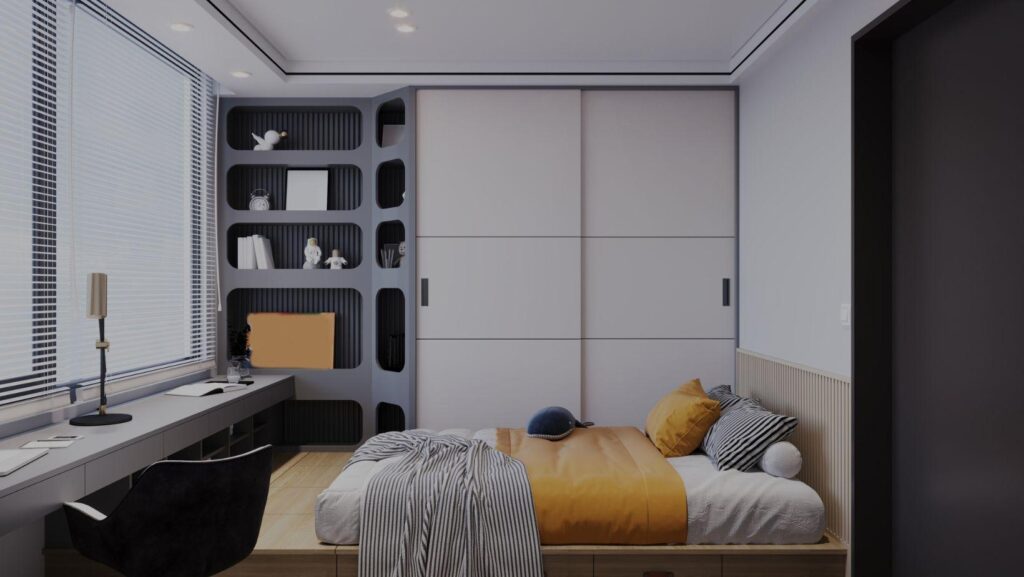
Future-proofing your home with flexible multi-use rooms means designing spaces that can change function without structural renovation. You are not just adding a spare room; you are creating a space with the right size, position, storage, services and privacy to support different stages of family life. For growing families, upsizers and multigenerational households, this kind of planning can help your home stay practical for longer.
Plan The Room Around Several Future Uses
A flexible room should be designed with more than one realistic purpose in mind. Before deciding on its size or location, think about how the room could be used over the next five, ten or fifteen years. It may start as a nursery, become a playroom, shift into a homework zone, then later work as a guest room, home office or teenager’s retreat.
When you compare design-and-build solutions, such as Neptune Homes modern home design and construction, you can use this thinking to judge whether a floor plan supports long-term flexibility, rather than only solving your household’s current needs. A future-proofed room should still make sense after its first purpose changes.
Place It Where Change Will Be Easiest
Room placement has a major impact on how flexible the space becomes. A room near the front entry can work well as a home office, client-facing workspace or guest room because visitors do not need to move through private family areas. A room near children’s bedrooms may be better suited to a playroom, study zone or shared media room.
For a multigenerational household, also consider bathroom access, noise separation and privacy. A flexible room close to a powder room or full bathroom can support overnight guests, older children or ageing relatives more comfortably. Poor placement can limit future use, even when the room itself is a good size.
Design Storage Before The Room Is Used
Storage should be planned before the room has a fixed purpose. Built-in cupboards, shelving, under-bench storage or a robe can help the space shift between functions without clutter taking over. A room used for toys today may need school storage later, then office supplies, hobby equipment or guest linen.
Good storage also stops the room from becoming a dumping zone. If everyday items have nowhere to go, the space can quickly lose its flexibility. Planning storage early makes it easier to convert the room as family needs change.
Add Services For Work, Study, and Media
A future-proofed multi-use room needs the right services behind the walls. Power points, strong Wi-Fi coverage, data cabling, charging points and suitable lighting can make the space ready for work, study, gaming, media use or hobbies. Retrofitting these features later can be more disruptive and expensive than allowing for them during the design stage.
Lighting should also support different tasks. A single ceiling light may be enough for a spare room, but a flexible space may need task lighting for study, softer lighting for guests and good natural light for daily use.
Make Privacy Part Of The Layout
Privacy is essential if the room may become an office, guest room, teenager’s retreat or space for extended family. Doors, acoustic separation and distance from noisy living zones can make the room more useful across different stages of life. In design terms, this relates to sound transmission class (STC), which measures how well walls, doors and other partitions reduce airborne sound between spaces.
A flexible room that cannot be closed off will struggle to support work calls, study, rest or overnight stays. Privacy does not mean isolating the room completely. A strong layout lets the room feel connected when used as part of family life, but separate enough when someone needs quiet. Sliding doors, hallway access or thoughtful zoning can help achieve both.
Keep The Shape Simple And Usable
A flexible room does not need to be oversized, but it does need a practical shape. Square or balanced rectangular rooms usually adapt better than narrow or awkward spaces because they allow more furniture layouts. You should be able to fit a desk, sofa bed, storage unit, or play furniture without blocking circulation.
Window placement, door swings and wall space also matter. Too many openings can make furniture placement difficult, while poor natural light can make the room less appealing for daily use. Simple proportions give you more future options.
Build Flexibility Into Everyday Living
Future-proofing with flexible multi-use rooms comes down to deliberate planning. A room becomes more adaptable when it is placed well, shaped properly, supported by storage, fitted with useful services and given enough privacy to handle different roles. Instead of designing for one version of family life, you give your home room to change as work, study, children, guests and extended family needs evolve.
About The Author

 10 Best Outdoor Kitchens Ranked
  Why Roof Valleys and Flashing Are Common Leak Points on Greenville Homes
  How to build a wood-fired pizza oven and is it worth the effort?