
How Poor Roof Ventilation Can Affect Your Property
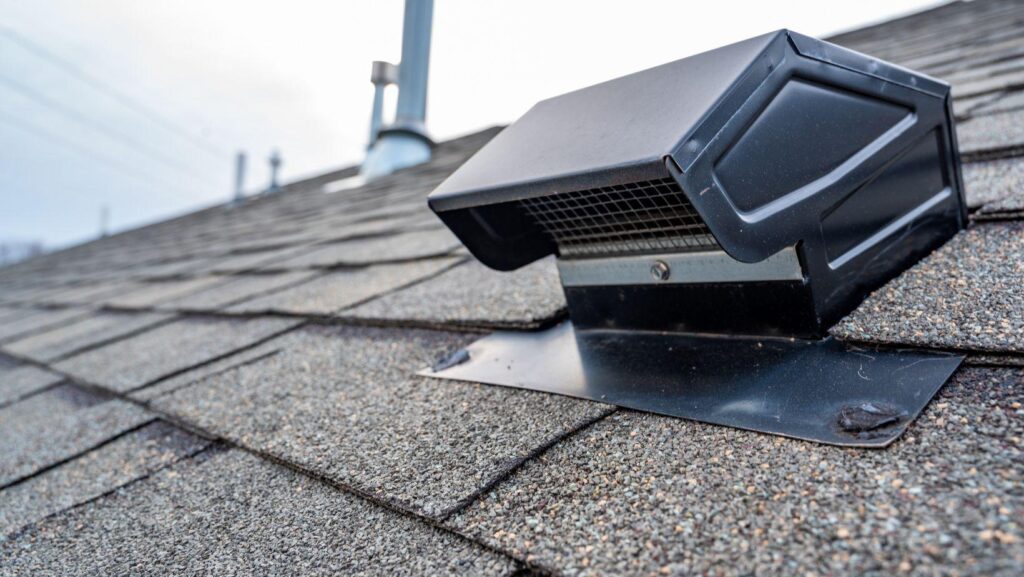
A roof does more than keep rain out. It also has to manage heat and moisture, two forces that quietly shape the condition of the entire building. When ventilation is overlooked or poorly designed, problems tend to build slowly at first. A little condensation in the loft. A persistent musty smell. Rooms that feel stuffy in summer and oddly cold in winter. Then, over time, the hidden damage becomes harder and more expensive to ignore.
Roof ventilation rarely gets the same attention as tiles, insulation, or guttering, yet it plays a central role in how a property performs. Whether you manage a home, rental, or commercial building, understanding what poor ventilation does can help you prevent structural issues, improve energy efficiency, and protect indoor air quality.
Why roof ventilation matters more than people think
At its simplest, roof ventilation allows air to move through the roof space in a controlled way. That airflow helps remove warm, moisture-laden air before it condenses on colder surfaces. It also reduces heat build-up during warmer months, which can otherwise make upper floors uncomfortable and place extra strain on cooling systems.
This matters because modern buildings are generally more airtight than older ones. Better insulation and improved sealing are good for energy performance, but they also mean any trapped moisture has fewer escape routes. Everyday activities such as cooking, showering, drying clothes indoors, and even breathing all add humidity to the air. If that moisture rises into the loft or roof void and cannot disperse, it often settles where you least want it: on timber, insulation, underlay, and structural fixings.
A well-designed system takes the roof type, insulation strategy, and property layout into account. That is particularly important when planning roof ventilation for new builds and renovations, because the right approach varies depending on whether you are dealing with a cold roof, warm roof, pitched roof, or flat roof assembly. Ventilation is not a one-size-fits-all detail. Done properly, it supports the whole building envelope. Done badly, it can undermine it.
The damage poor roof ventilation can cause
Condensation and damp
The most common consequence of poor ventilation is condensation. Warm air rises, and when it meets a cold roof surface, water droplets form. At first, this may seem harmless. In reality, persistent condensation creates ideal conditions for mould and damp patches, especially in colder months.
In loft spaces, this often appears as beads of water on felt or underlay, black spotting on timber, or a general damp smell. Left unresolved, that moisture can spread into ceilings and walls below.
Timber decay and structural problems
Roof timbers are durable, but they are not immune to long-term moisture exposure. Constant dampness can lead to rot, weakening rafters, joists, and decking over time. Metal fixings can also corrode in humid roof spaces, compromising the integrity of connections that are meant to last for decades.
This is where ventilation issues become more than a maintenance concern. They turn into a structural one. Repairing decayed timber or replacing sections of a roof is significantly more disruptive than correcting airflow early on.
Reduced insulation performance
Insulation works best when it stays dry. Once moisture gets into it, thermal performance drops. That means more heat escapes in winter and more solar heat lingers in summer. In practical terms, poor roof ventilation can quietly increase energy bills while making the property less comfortable year-round.
This can be especially frustrating for homeowners who have already invested in insulation upgrades, only to find that a poorly ventilated roof space limits the benefit.
The indoor impact: comfort, air quality, and energy use
Roof ventilation problems do not stay in the roof. They affect how the whole property feels.
A humid loft space can contribute to stale indoor air and encourage mould spores, which may eventually affect occupied rooms. For people with allergies, asthma, or other respiratory sensitivities, that matters. Even when mould is not visible in living spaces, the underlying moisture issue can still influence indoor air quality.
Then there is temperature regulation. In summer, poorly ventilated roofs can trap excess heat, especially beneath dark roof coverings or in converted lofts. In winter, moisture-compromised insulation makes it harder to maintain consistent warmth. The result is a property that feels less stable, less efficient, and harder to manage.
Warning signs property owners should not ignore
Poor ventilation does not always announce itself dramatically. More often, it shows up through smaller clues:
- Condensation on roof membranes, rafters, or nails
- A persistent musty smell in the loft
- Mould growth near ceiling corners or upper walls
- Insulation that feels damp or compressed
- Excessive heat in upper rooms during warm weather
- Peeling paint or staining on ceilings
Any one of these may have more than one cause, of course, but together they often point to airflow and moisture imbalance in the roof space.
Why retrofits and refurbishments often create ventilation problems
Airtight upgrades can change the moisture balance
Many ventilation issues appear after well-intentioned refurbishment work. New insulation, replacement windows, loft conversions, and draught-proofing can all alter how air and moisture move through a building. If ventilation is not upgraded at the same time, the roof may suddenly have to cope with a very different internal environment.
That is why retrofit projects need a joined-up view. Improving thermal performance without considering roof airflow can create unintended consequences.
Blocked vents and poor installation details
Sometimes the problem is less about design and more about execution. Insulation may be pushed too tightly into the eaves, blocking airflow. Existing vents may be painted over, obstructed, or omitted during repairs. In some cases, roofing components are installed correctly in isolation but do not work as a complete system.
These are not dramatic failures. They are the kind of details that slip through when ventilation is treated as secondary.
Getting it right before problems escalate
The best response to poor roof ventilation is early assessment. If there are signs of condensation, heat build-up, or recurring damp, it is worth having the roof space inspected with ventilation in mind rather than focusing only on surface symptoms.
A sensible approach starts with understanding the roof build-up, identifying where moisture is coming from, and checking whether air can move freely from intake to exhaust points. In some cases, the fix may be straightforward. In others, particularly on altered or converted properties, it may require a more tailored solution.
What matters is recognising that ventilation is not a minor technical extra. It is a fundamental part of roof performance. Ignore it, and moisture, heat, and decay will do what they always do: exploit the weakness quietly, then expensively.
For property owners, developers, and specifiers alike, that makes roof ventilation less of a finishing detail and more of a long-term safeguard.
About The Author

 Why the Roof Is Often the Most Important Area to Insulate
  RapidHome Ready: How Newlyweds Can Tap Direct-Future Housing Options Without Getting Bogged Down In Trenches (2026 Guide)
  The Green Escape: Why Master-Planned Living is Winning Over Growing Families