
The Green Escape: Why Master-Planned Living is Winning Over Growing Families
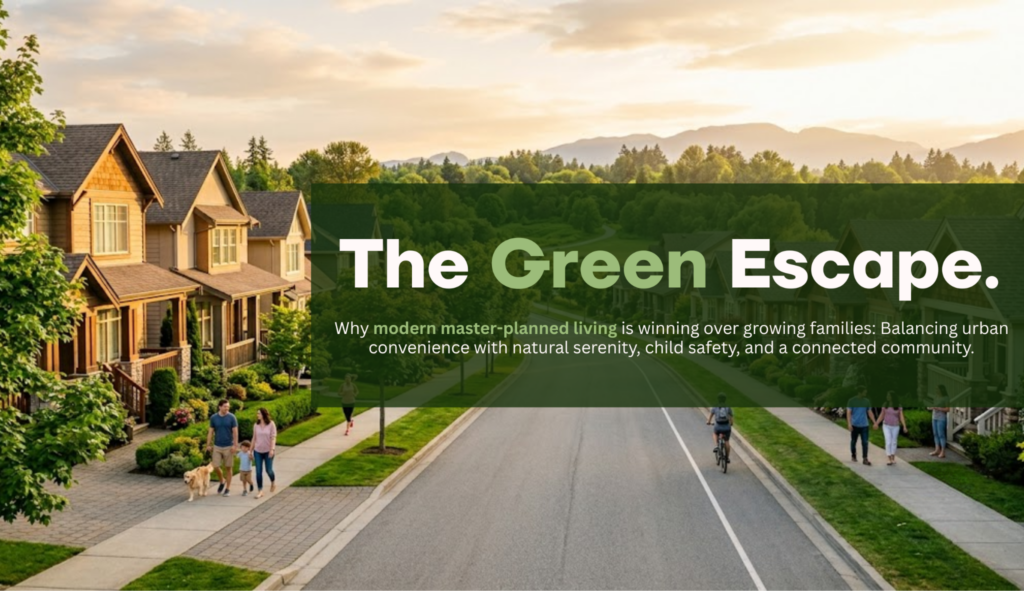
For generations, the traditional trajectory of family life involved a compromise. Families often had to choose between the frantic energy and career proximity of inner-city living or the quiet, disconnected isolation of outer-suburban sprawl. Today, modern urban design is rewriting that narrative. Forward-thinking communities are proving that families do not have to sacrifice convenience for tranquility, nor do they have to compromise on safety and green space to stay connected to urban amenities.
At the forefront of this shift is the rise of thoughtfully engineered communities in thriving growth corridors. Families today are looking for environments that support holistic health, outdoor recreation, and a slower, more connected pace of life. When examining what makes a neighborhood truly functional for all ages, reviewing the comprehensive layout outlined in the Box Hill master plan reveals how intentional design can successfully foster a deep sense of community connection, child-friendly safety, and long-term wellbeing.
The Anatomy of a Master-Planned Neighborhood
Unlike traditional, ad-hoc suburban expansions where houses are built haphazardly along disconnected roads, a master-planned community is conceived as a single, cohesive ecosystem. Every element, from the width of the streets to the placement of local parks and retail hubs, is meticulously mapped out before the first sod is turned.
This physical layout focuses heavily on human-scale design. Instead of prioritizing heavy vehicular traffic, master plans prioritize pedestrians, cyclists, and families on foot. Tree-lined avenues create natural buffers between homes and main thoroughfares, drastically reducing noise pollution and creating a safer environment for children playing outdoors. By integrating nature directly into the residential fabric, these neighborhoods offer a daily visual escape from the concrete and chaos of the wider city, establishing an immediate sense of peace the moment you turn into the community.
Open Space and Wellbeing: Parks, Playgrounds, and Nature
Human beings are hardwired to thrive in natural environments, yet modern lifestyles often keep us indoors and tethered to screens. Master-planned communities combat this by weaving open green spaces directly into the backyard of every resident.
Parks and recreational oases serve as the lungs of the neighborhood. They are not merely leftover plots of land, but carefully curated zones designed for diverse activities. Within these green networks, you will typically find:
- Imaginative Play Spaces: Modern playgrounds are designed to challenge children physically and mentally, moving past basic plastic equipment into natural timber and sensory-rich landscapes that inspire creative play and cognitive development.
- Active Recreation Corridors: Dedicated bicycle networks and walking tracks weave through the open spaces, making it safe and easy for children to ride to school or for families to take an evening stroll together without fighting traffic.
- Quiet Reflection Zones: Pocket parks and shaded lawns provide peaceful spots for downsizers or busy parents to read, meditate, or simply enjoy a quiet moment surrounded by greenery.
This abundance of accessible open space encourages an active lifestyle naturally. Exercise ceases to be a chore squeezed into a busy schedule; it becomes an organic part of the daily routine for every member of the household.
Prioritizing Child-Friendly Environments and Safety
For young parents, peace of mind is the ultimate luxury. Knowing that your children can play outside, ride their bikes, and walk to local amenities without constant hazard is a primary factor when choosing where to settle down and raise a family.
Master-planned neighborhoods achieve this high level of safety through intelligent traffic calming measures. Cul-de-sacs, reduced speed limits, and separated shared paths ensure that cars and pedestrians rarely conflict. Furthermore, the community design naturally fosters a village mentality. When public spaces, parks, and playgrounds are positioned as the central hubs of the neighborhood, neighbors naturally cross paths. This creates an organic community watch system where residents look out for one another’s children, reviving a communal safety net that has largely vanished in denser urban settings.

Connecting Generations: Designing for Families and Downsizers
A truly successful neighborhood is one that accommodates every stage of the human lifecycle. While young families require active spaces for children to grow, downsizers and empty nesters require a peaceful, low-maintenance environment that still fosters connection and social engagement.
Master-planned communities bridge this gap seamlessly. For growing families, the proximity to future schools, sporting fields, and childcare facilities removes the logistical nightmare of long morning commutes. For downsizers, single-level living options, accessible walking paths, and community gardens offer a relaxed, social atmosphere without the exhausting upkeep of a traditional rural property. This intergenerational mix breathes life into the neighborhood, ensuring it remains vibrant, supportive, and active around the clock.
The Shift Toward a Slower, More Connected Pace of Life
The ultimate promise of master-planned living is not just physical infrastructure, but a psychological shift. By reducing friction in daily logistics, placing parks, cafes, and community spaces within easy walking distance, these neighborhoods give time back to families.
Instead of spending hours trapped in weekend traffic searching for recreation space, residents step out their front doors and directly into nature. Weekends are reclaimed for family picnics, neighborhood sports, and leisurely community events. This slower, more intentional pace of life lowers stress levels, strengthens family bonds, and builds resilient, happy children who grow up with a deep appreciation for their environment and their neighbors.
Infrastructure and Future-Proofing Communities
Beyond the immediate lifestyle benefits, master-planned developments are engineered with the future in mind. Infrastructure capacity is calculated long before residents move in, ensuring that utilities, digital connectivity, and transport links can handle future growth without failing.
Smart zoning ensures that commercial precincts, medical centers, and educational facilities are placed within short reach of residential areas. This reduces reliance on long-distance commuting and builds a self-sustaining local economy. When a neighborhood is designed to anticipate growth rather than react to it, residents enjoy stability and long-term property value protection.
Conclusion: Investing in Your Family’s Future Lifestyle
Choosing where to put down roots is one of the most important decisions a family will ever make. It shapes not only your daily routine, but your health, your children’s childhood memories, and your connection to the world around you.
By looking beyond the four walls of a house and examining the broader neighborhood design, buyers can find environments that actively contribute to a higher quality of life. Through thoughtful integration of parks, safety, active transport, and community spaces, master-planned living offers a blueprint for the future. It is a smart, balanced approach to modern life that proves you truly can have the best of all worlds: natural beauty, active wellbeing, and a tight-knit community to call home.
Steven Lagrimas is a freelance writer specializing in STEM, business, health, politics, and the social sciences. His work explores the intersection of society, governance, innovation, and emerging global trends shaping communities and industries today.
About The Author

 How Poor Roof Ventilation Can Affect Your Property
  Why the Roof Is Often the Most Important Area to Insulate
  RapidHome Ready: How Newlyweds Can Tap Direct-Future Housing Options Without Getting Bogged Down In Trenches (2026 Guide)