
How to Improve Indoor Comfort During Long Heat Waves
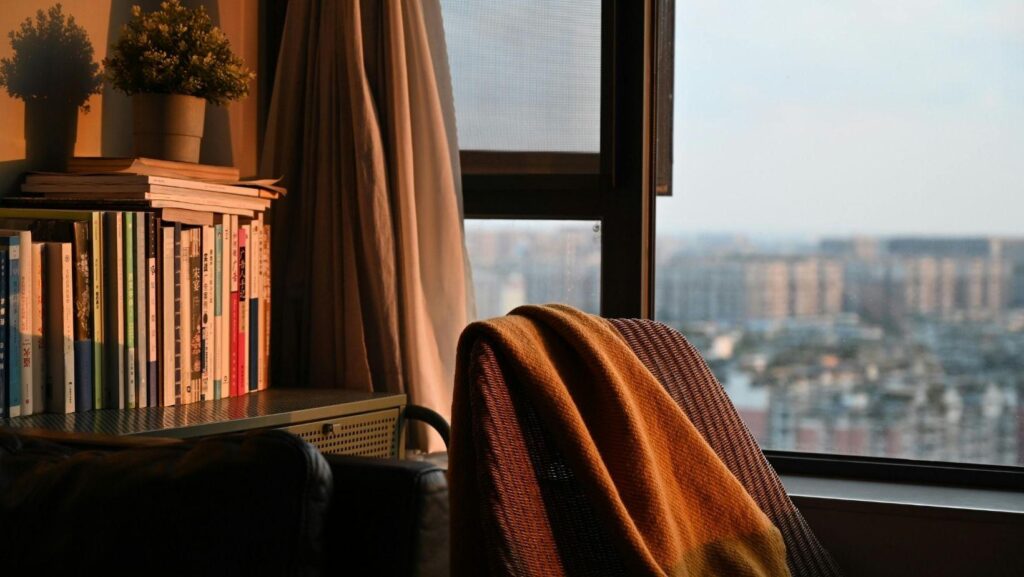
Extreme heat that continues for multiple days is often a cause of discomfort in buildings. Houses are likely to absorb warmth throughout the day – this process results in indoor areas that are warmer during the later hours. It is common for cooling systems to be less effective when a structure is full of heat.
Occupants can improve comfort – doing more than adjusting the thermostat. Heat accumulation is lower when people improve airflow, limit heat sources, increase shade and maintain cooling equipment – these adjustments are helpful for comfort plus for reducing energy consumption during times of high heat.
Window Management
Windows are a primary source of heat entry in most buildings. Sun that shines through glass increases room temperatures, particularly in the afternoon. Curtains or reflective shades are useful for blocking heat when they are closed during daylight hours. Light colored window coverings are effective because they reflect light rather than absorbing it.
External shading provides more protection against the sun – Shutters, awnings and trees lower the amount of light that reaches windows and walls. Improvements are often visible in rooms with large south facing or west facing windows after the addition of outdoor shade. It is also helpful to keep windows closed during the warmest part of the day but also open them in the evening.
Airflow Improvements
Movement of air is necessary for comfort when the weather is hot. Indoor air stays in one place when ventilation is low, which makes rooms feel heavy. Ceiling fans are useful for circulation because they move air and help moisture evaporate from the skin, which creates a cooling sensation even at high temperatures.
Cross ventilation is another way to remove heat during the night. Air moves through the interior and pushes warm air out when windows are open on opposite sides of a house. Portable fans are effective at directing this airflow when they are placed near windows. Ventilation is especially important on upper floors because heat rises as well as stays in those areas.
Reducing Indoor Heat Sources
Standard household tasks often create heat within a building – Appliances like stoves, ovens and dishwashers are responsible for higher indoor temperatures when they are active. Residents are able to maintain a cooler environment – cooking outdoors or after sunset. Preparation of food that is cold or at room temperature is another method to ensure that the air remains cool.
Lighting and electronic devices are also sources of indoor heat. LED bulbs are at a lower temperature than incandescent bulbs because they produce less heat during operation. Devices like televisions or gaming systems are causes of heat when they remain on for many hours. People are more likely to be comfortable if they turn off electronics and appliances when the outdoor temperature is highest.
Cooling System Maintenance
Air conditioning units experience more strain during heat waves – maintenance is important. Vents that are blocked or filters that are dirty make a system less efficient. Regular filter replacement and clear vents ensure that airflow is consistent. Furniture next to curtains should be kept away from vents to allow air to circulate.
Professional assistance is sometimes necessary if a system cannot reach the desired temperature. Having an AC repair is more effective when they are done early to prevent larger problems. Some people choose to install new systems when older ones are no longer sufficient. Individuals who look for air conditioning installation Vancouver services can find energy efficient options that provide better temperature control during the summer.
Insulation & Sealing
Insulation is a material that prevents heat from entering a building. People often use these materials to keep structures warm during winter but insulation is also effective during summer. It is useful because it reduces the speed at which heat moves through walls and ceilings. Attic insulation is particularly necessary because roofs collect a high volume of thermal energy from the sun.
Buildings receive air through openings near doors, windows and vents. Residents apply caulk or weather stripping to these gaps so that indoor areas stay cool. Structure interiors are generally more comfortable during long heatwaves when insulation is thick plus air leaks are few.
Daily Comfort Strategies
Habits are able to improve comfort during hot weather – Drinking water, wearing light clothing and using thin bedding are helpful for personal comfort. Airflow is better between rooms when interior doors are open.
Occupants stay in parts of the building with lower temperatures to remain comfortable. Areas like basements or rooms with shadows are cool because they are not in the path of direct sun rays – these behaviors, along with the movement of air and the upkeep of the property, are ways to ensure the interior is pleasant during periods of high heat.
Conclusion
Heat waves cause stress for both buildings and cooling systems. Heat accumulates indoors if there is no ventilation, shade or insulation. Changes to the home are effective at reducing heat as well as improving the efficiency of cooling equipment.
Comfort is possible through a combination of daily habits and physical improvements to the house. Homeowners are able to create a better environment – reducing heat sources, maintaining equipment and ensuring the building is well insulated.
About The Author

 Itzhak Ezratti on Building Communities That Last: A Founder’s Philosophy on
Long-Term Development
Itzhak Ezratti on Building Communities That Last: A Founder’s Philosophy on
Long-Term Development  Why Spartanburg Homeowners Keep Getting the Same Drain Clog and What It Could Mean
  Why Mobility Matters in the Kitchen