
Why You Should Avoid Certain Appliances During Peak Heat Hours
Indoor spaces are often warm when outdoor temperatures are high in the afternoon. People frequently consider insulation, sunlight or thermostats but household appliances are also a major source of heat. Machines that generate warmth cause cooling systems to run for longer periods – this process is expensive and makes rooms less comfortable.
Residents can lower indoor temperatures and lower the strain on cooling equipment – avoiding certain machines during the hottest hours. Occupants are able to use electricity more efficiently when they change their daily routines. A home is more pleasant in the summer if individuals identify which tools are hot and choose to operate them at different times.
Heat From Kitchen Appliances
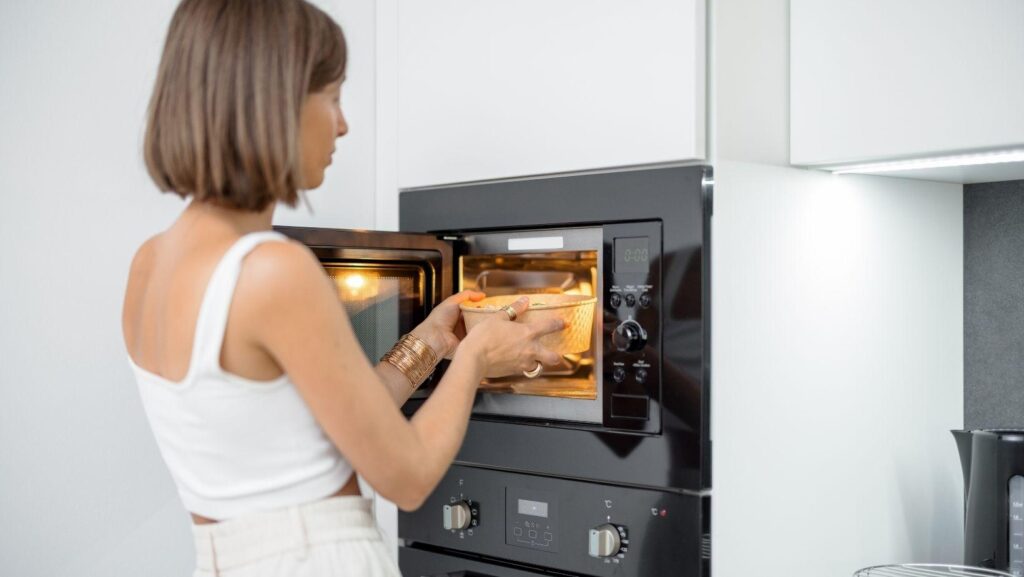
Kitchen appliances are often the cause of high indoor temperatures during summer afternoons. Stoves and dishwashers both release heat into a house, especially when the air does not move freely. The kitchen is likely to stay warm for multiple hours if a person cooks large meals at midday. Heat is able to move into other rooms even when an oven is on for a short time.
People can lower the temperature – cooking during the morning or evening when the outdoor air is cool. Slow cookers, microwaves and outdoor grills are useful because they keep heat outside or at a low level. A person is able to lower the work for the air conditioning system and keep the home at a comfortable temperature – changing when they cook.
Laundry Appliances And Indoor Warmth
Clothes dryers and washing machines are also sources of indoor warmth during peak hours. Dryers release hot air as well as moisture, particularly if the vents are old or dirty. Laundry rooms are often the warmest areas in a house during the afternoon and this heat can move to other rooms through doors and walls.
Operating laundry machines during cooler hours helps prevent the house from getting too warm. It is also helpful to check dryer vents often to ensure hot air leaves the building correctly. Reducing the use of these machines can help cooling hardware last longer or may prevent the need for professional air conditioner repair London Ontario, during periods of high heat.
Electronics And Hidden Heat Sources
People often ignore the amount of heat that electronics produce during the day. Gaming consoles, computers and chargers all generate warmth while they are on. When multiple devices are active in a small room, the temperature increases quickly. Offices and media rooms are often warmer because of these devices.
Powering off electronics when they are not in use reduces heat next to electricity use. Unplugging chargers and avoiding large media systems in the afternoon can help rooms stay cool. Fans and open vents also help air move around electronics so that heat does not stay in the room for a long time.
Water Heating Equipment
Water heaters are another source of warmth inside a home during the summer. Standard water systems create heat all day, especially when a household uses hot water often during the afternoon. Taking long showers or running the dishwasher increases the temperature inside the house plus causes the cooling system to run more frequently.
Using less hot water during the warmest hours can make the home more comfortable and lower energy bills. Shortening showers and waiting to wash dishes are small changes that impact indoor temperatures. Some individuals who are planning renovations choose an air conditioning installation to help maintain a stable temperature during the summer.
Reducing Strain On Cooling Systems
Cooling systems are under the most pressure when outdoor temperatures are high but also indoor heat sources are active. Using many machines in the afternoon forces the air conditioner to remove both outdoor heat and indoor warmth simultaneously – this extra work increases utility costs and can damage mechanical parts over time.
Residents can improve the performance of cooling systems – using fewer appliances during the times when electricity demand is highest. Indoor temperatures are more consistent in houses that contain fewer heat sources – these conditions allow air to move evenly throughout the space and ensure that occupants are comfortable without a need for low temperature settings. You can avoid high repair costs during summer weather – reducing the strain on your air conditioning equipment.
Long Term Benefits For Home Comfort
Regular routines for operating appliances in high temperatures are beneficial for comfort and energy conservation. Residents often experience lower indoor temperatures and reduced costs when they adjust their methods for cooking, cleaning plus using electronics – these practices are also effective for reducing humidity and enhancing the indoor atmosphere.
Avoiding the use of specific machines during periods of high outdoor heat is a functional method to keep a home cool. People are able to maintain comfort without relying only on air conditioning when they manage heat sources. Daily habits are useful for ensuring that a residence remains pleasant during the summer.
About The Author

 Itzhak Ezratti on Building Communities That Last: A Founder’s Philosophy on
Long-Term Development
Itzhak Ezratti on Building Communities That Last: A Founder’s Philosophy on
Long-Term Development  Why Spartanburg Homeowners Keep Getting the Same Drain Clog and What It Could Mean
  Why Mobility Matters in the Kitchen