
Senior Home Safety Assessment: Essential Tips for a Safer Living Space
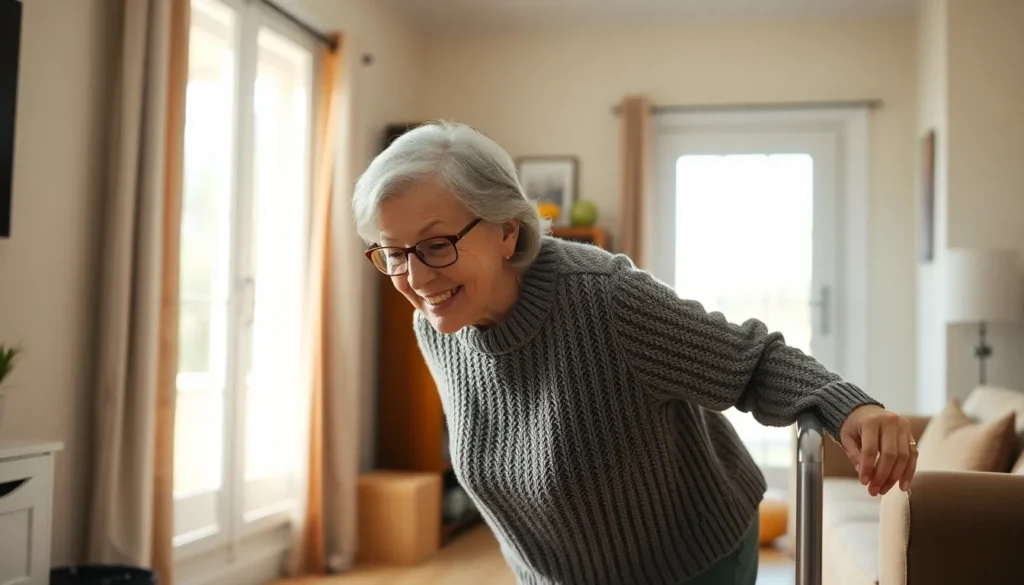
As the golden years approach, home sweet home can sometimes turn into a slippery slope—literally! Senior home safety assessments are like a superhero cape for aging adults, transforming their living spaces into safe havens. It’s not just about preventing falls; it’s about ensuring peace of mind for both seniors and their families.
Senior Home Safety Assessment
Senior home safety assessments play a crucial role in improving the living conditions of aging adults. These assessments identify potential hazards, allowing for timely interventions that enhance safety.
Understanding Risks At Home
A variety of risks exist in a senior’s home. Falls commonly arise from cluttered floors, inadequate lighting, or slippery surfaces. Lack of support in bathrooms, such as grab bars, increases the likelihood of accidents. Seniors may face fire hazards due to outdated appliances or lack of smoke detectors. Diminished vision or mobility can elevate these risks further. Identifying these dangers early leads to proactive measures that reduce the chances of injuries.
Benefits Of Conducting Assessments
Conducting senior home safety assessments offers numerous advantages. Such evaluations provide a clearer understanding of specific hazards present in the environment. They enable the modification of living spaces to align with safety needs, fostering greater independence. Additionally, assessments can alleviate stress for families by ensuring a safer home. Increased awareness of potential dangers encourages proactive management, promoting a sense of security among seniors and their loved ones. Thorough assessments contribute to overall well-being and improved quality of life for aging adults.
Key Areas To Evaluate
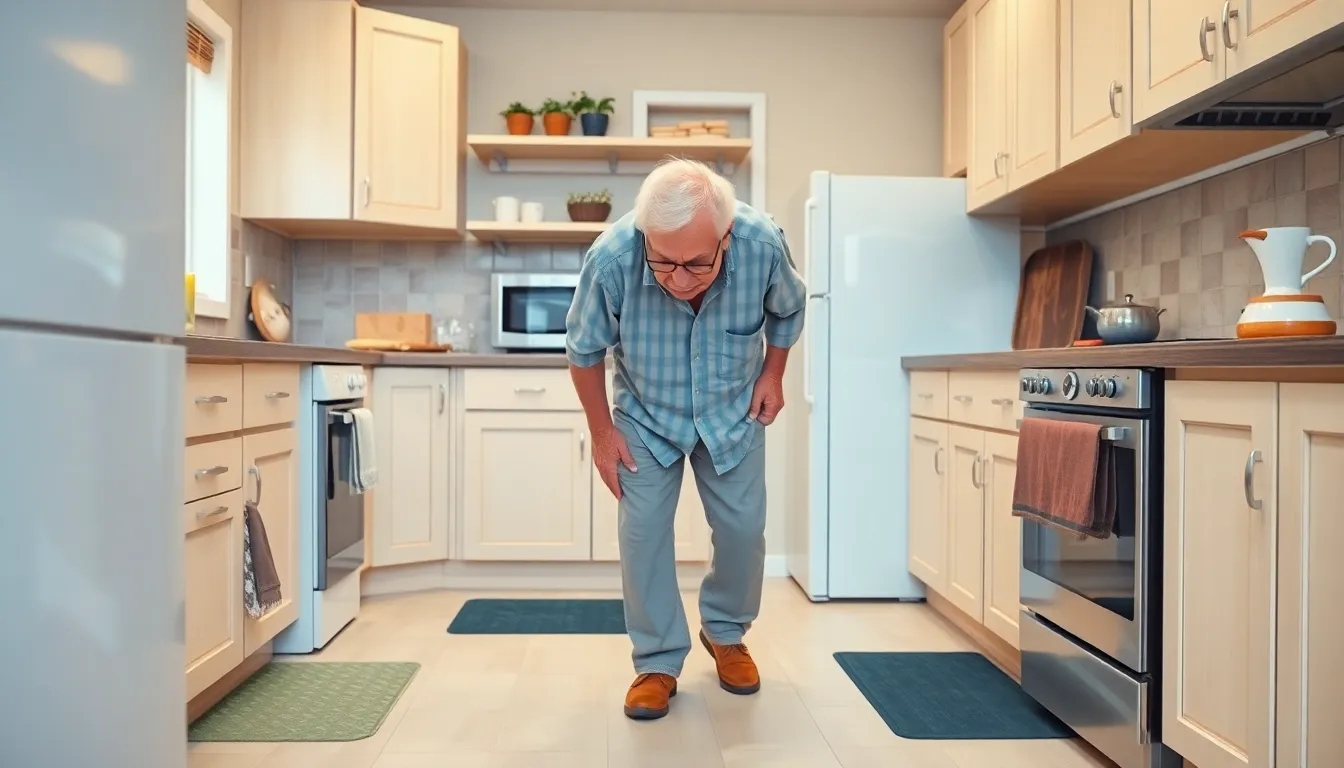
Evaluating specific areas in a senior’s home is essential for enhancing safety and minimizing risks. Focus on these key components to ensure a safer living environment.
Living Spaces
Assessing living spaces involves examining the layout and organization. Clutter should minimize for safe navigation, particularly in hallways and common areas. Clear pathways enhance mobility and reduce tripping hazards. Consider furniture arrangement as well; ensure easy access to essentials without obstacles. Installing grab bars and good lighting improves stability and visibility in these spaces.
Kitchen Safety
Kitchen safety requires attention to equipment and layout. Appliances should position within easy reach to avoid stretching or overreaching. Non-slip mats help prevent falls, particularly around sinks and cooking areas. Store frequently used items within reach, and use labels for organization. Proper ventilation and keeping fire extinguishers accessible significantly contribute to kitchen safety.
Bathroom Accessibility
Bathroom accessibility is crucial for preventing accidents. Install grab bars near toilets and in shower areas to provide support. Non-slip mats reduce the risk of slipping on wet floors. Consider a shower chair to help with stability while bathing. Additionally, use lever-style faucet handles for ease of use. Ensuring that all necessary items remain within easy reach enhances overall safety.
Tools And Resources
Various tools and resources assist in conducting senior home safety assessments. These tools foster a clear understanding of safety measures needed for aging adults.
Safety Assessment Checklists
Safety assessment checklists provide structured guidance throughout the evaluation process. Essential items include floor inspection, lighting adequacy, and accessibility features. Items on these lists prioritize critical hazards such as clutter, slippery surfaces, and inadequate bathroom support. Evaluators often note recommendations for modifications, ensuring living spaces meet safety standards. Using a well-structured checklist simplifies the assessment and enhances thoroughness. Many families also choose to supplement these checklists by consulting local safety training resources, including Ottawa First Aid and CPR programs, which help caregivers feel more confident responding to emergencies.
Technology Aids For Safety
Technology aids enhance safety measures significantly. Personal emergency response systems provide immediate assistance through wearable devices. Smart home devices, such as automated lighting and temperature controls, promote safety and comfort. Apps designed for medication management help seniors adhere to their schedules effectively. Monitoring systems also allow family members to keep track of loved ones’ well-being. Integrating these technologies with traditional safety measures creates a holistic approach to senior home safety.
Tips For A Successful Assessment
Conducting a senior home safety assessment involves careful attention to detail and a focus on specific areas that enhance safety. Implementing effective strategies ensures a thorough evaluation of the home environment.
Involving Seniors In The Process
Engaging seniors in the assessment process fosters a sense of ownership and comfort. Encouraging them to share their insights on hazards they encounter daily highlights areas needing attention. Asking for their preferences regarding modifications empowers them, making safety improvements a collaborative effort. Listening to their concerns aids in identifying not just physical barriers but emotional ones as well. Ultimately, including seniors helps create a living space that reflects their needs and enhances their overall safety.
Regularly Updating Assessments
Regular updates to safety assessments play a crucial role in maintaining a secure environment. Scheduling assessments every six months allows for ongoing identification of new hazards. Incorporating changes in mobility or health can significantly alter safety requirements. Revisiting safety protocols ensures compliance with current safety standards and technologies. Adapting to evolving needs prevents complacency and fosters a proactive approach to home safety. Regularly updating assessments sustains a safe living environment and enhances well-being for seniors.
Conclusion
Prioritizing safety in the homes of seniors is essential for their well-being and independence. Regular safety assessments not only identify potential hazards but also empower seniors to take charge of their living environments. By making necessary modifications and utilizing available resources, families can significantly reduce risks and enhance their loved ones’ quality of life.
Engaging seniors in the assessment process fosters collaboration and ensures their preferences are considered. This approach not only promotes safety but also builds confidence and comfort in their daily routines. Ultimately, a proactive stance on home safety transforms living spaces into secure havens where seniors can thrive.
About The Author

 Importance of Access Control Systems for Commercial Properties
  Why Every Home Needs Security Cameras Today
  How to Mouse Proof Your Home Before Winter