
Smart Ways to Heat-Proof Your Home This Season

Some people may have to take measures to make sure their homes are not as unbearable as the mercury rises. Homeowners want realistic ways to stay comfortable while saving on their energy bills. A heat-proofed home can be the difference between comfort and sweltering, even in cooler climates. Minor changes produce outstanding results. Try these tips to keep your home cooler this summer and beyond.
Insulation: The Foundation of Temperature Control
If you want to know how to heat proof your house, good insulation is a great place to start. It is essential for any home that wants to save energy. Insulation retards heat transfer between the outside and inside. Reinforcing attics, walls, and floors can allow you to better regulate temperature indoors. Better insulation means you stay cooler in summer and warmer in winter. That results in the year-round comfort you demand.
Blocking the Sun Out: Window Treatments
Windows let in a lot of light, which can also heat the room. If you want to minimize solar gain, consider installing reflective blinds or shades. Thermal curtains with thermal backing also help minimize heat transfer on the glass surface.
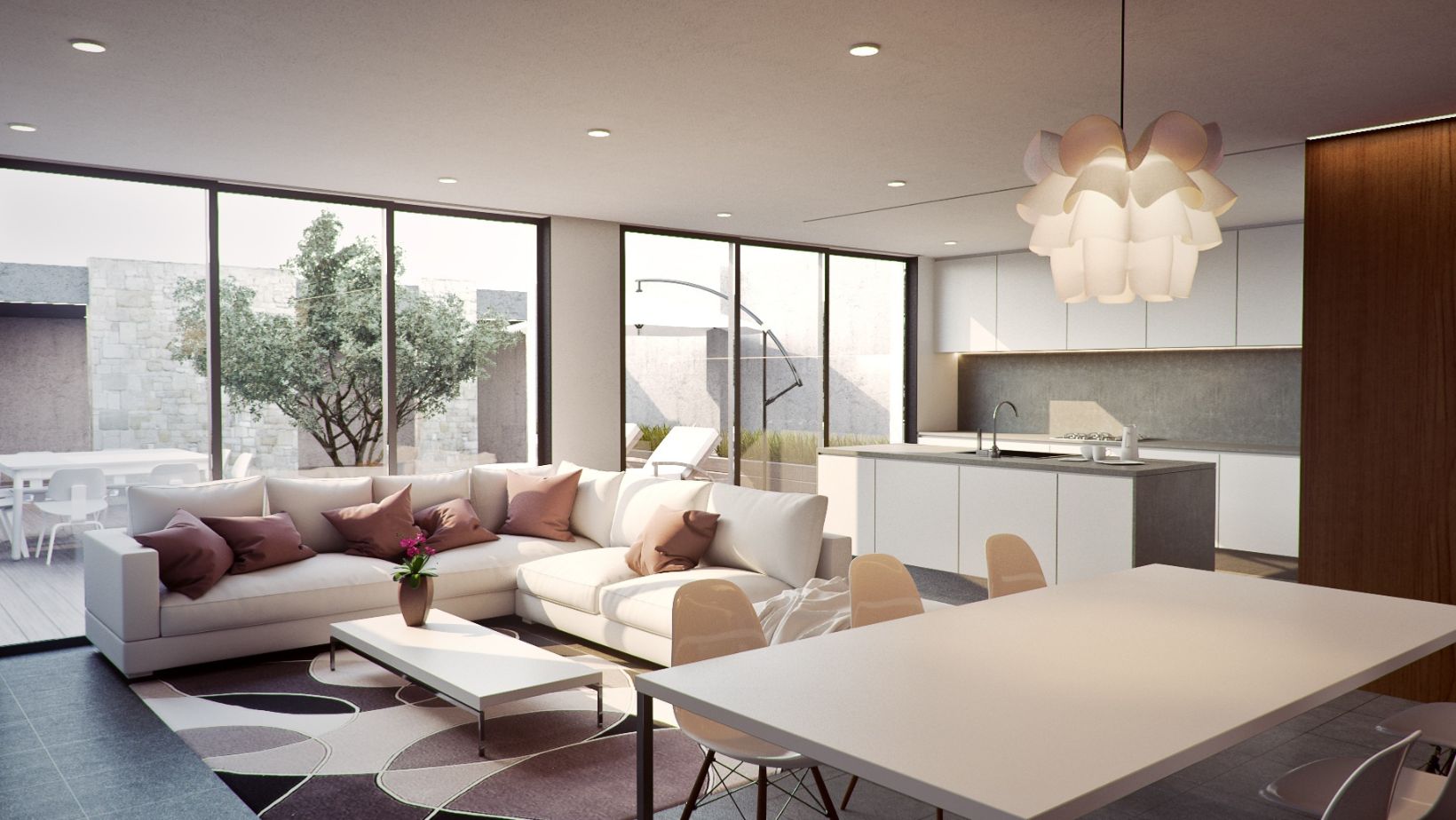
Window films also reflect sunlight and create a heat block inside. They are also cost-effective and simple to install.
Sealing Gaps and Cracks: Stop the Heat in Its Tracks
Warm air can also sneak through small gaps around glass-insulated doors and windows. By making the effort of sealing these gaps using weatherstripping or caulk, you create a tight barrier. Look out for areas near vents, pipes, and outlets. Blocking these pathways will help keep things cooler on the inside and relieve the cooling systems. All of which, of course, helps keep utility bills down, too.
Ventilation: Keeping Air Circulation Steady
Effective circulation will draw the heat away from the living spaces within a home and expel it outside. Ceiling oscillating fans will circulate the air and cool your living areas. Kitchen and bathroom exhaust fans also eliminate hot air and steam. It is a great idea to open the windows during cooler parts of the day, like early in the morning or at night, which will allow fresh air into your home. They provide ways to keep the inside temperature pleasant without the help of an AC system.
Shading: Using Nature and Structures
Plenty of trees and shrubs offer natural shade and can lower home temperatures. Vegetation planted along walls and next to windows stops direct sun rays and reduces heat accumulation. Installing a windbreak or an awning, or a pergola above a window or patio creates a shady nook that is less prone to heat buildup. Functioning shade structures provide a dual purpose and aesthetic appeal.
Energy-Efficient Appliances and Lighting
Older appliances and traditional light bulbs can produce additional heat indoors. Replacing regular incandescent lights with energy-saving lighting solutions reduces average heat output and energy use. Appliances that boast a higher efficiency rating can also help keep the indoor temperature regulated. In addition to keeping the heat of the house lower, it also helps conserve energy.
Reflective Exterior Surfaces: Brightening Up
Outdoor areas, like your driveway or walkway, can absorb heat and then emit the heat back toward the home. Using lighter-color paving materials is more reflective of sunlight. Exterior wall coatings to make walls reflective can also reduce the temperature of the building envelope. It reduces the overall temperature within the property.
Regular Maintenance: Ensuring Peak Performance
Cooling systems operate more effectively when they receive care. Regularly replacing air filters allows for improved airflow and a more efficient operation. Having routine inspections scheduled ahead of time can uncover problems long before they become issues. Keeping vents and ducts clean also improves system performance, which helps the home cool more easily.
Conclusion
Heat-proofing your home does not have to be difficult or costly. Major adjustments can provide homeowners with a cooler indoor area and save on energy costs. These key strategies, such as insulation, shading, appliance efficiency, and maintenance, can establish a summer refuge. With these practices, anyone can prepare for a better, warmer season inside.
About The Author

 5 Budget-Friendly Bedroom Upgrades for a Restful Night’s Sleep
  The Genius Reason Clera Windows Is Defying The Canadian Manufacturing Slump
  How to Remodel a Home Without Moving Out: What Homeowners Should Know