
5 Things to Consider for Your Austin Interior Design Project

Austin is one of the fastest-growing cities in the US, and its design scene has kept pace. From sleek South Congress condos to sprawling Hill Country estates, the city has a personality all its own. Whether you’re redesigning a home or overhauling a commercial space, getting it right takes more than picking a color palette.
Here are five things worth thinking about before your project gets underway.
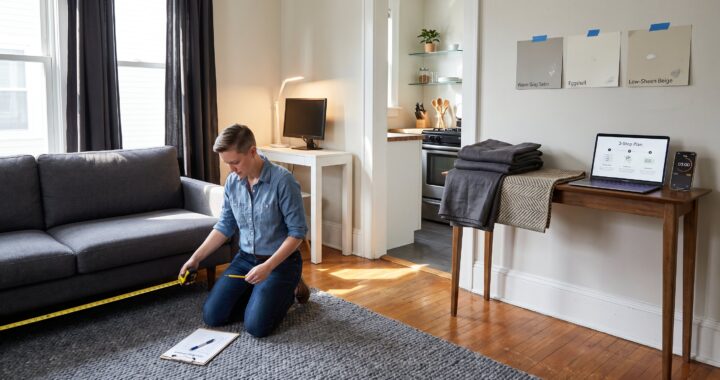
1. Know Your Space Before You Know Your Style
It’s tempting to dive straight into mood boards and material samples, but understanding the bones of your space comes first. Ceiling heights, natural light, traffic flow, and existing architectural features all shape what’s possible.
A room with low ceilings needs different furniture proportions than one with soaring beams. A sun-drenched west-facing room calls for different material choices than a shaded north-facing one. Get familiar with your space at different times of day before committing to anything.
A few questions worth asking early:
- Where does natural light enter, and when?
- What stays, and what goes?
- Are there structural limitations on what can be changed?
- What’s the primary function of the space?
2. Austin’s Climate Is Part of the Brief
Austin summers are brutal. Long stretches above 100°F are common, and that has real implications for interior design. Materials expand and contract with heat. Direct sunlight can bleach fabrics and warp wood. HVAC systems work overtime.
Smart Austin interior design accounts for this from the start. That might mean specifying UV-protective window treatments, choosing materials that hold up in heat, or designing window coverings that reduce solar gain without sacrificing the views that make Texas homes worth living in.
Please note: If your home has large windows facing south or west, solar shading solutions should be part of your design conversation, not an afterthought.
3. Style and Practicality Have to Work Together
Austin has a distinct aesthetic. It sits somewhere between laid-back Texas warmth and contemporary cool, with a creative edge that comes from being a university city and tech hub. That gives designers a lot to work with, but it also means there’s no single “Austin look.”
What matters more than following a style trend is making sure your space works for how you actually live or operate. A beautiful white linen sofa means nothing if you have two dogs. An open-plan office looks great in a pitch deck but might not suit a team that needs focus time.
The best interiors balance ambition with reality.
Did You Know? Austin’s design scene has been directly shaped by its music and arts culture. Many local designers draw on that creative energy when building their aesthetic approach, which is why Austin interiors often feel more expressive than those in comparable cities.
4. Commercial Projects Come With Different Rules
If you’re working on a business space, the design stakes are different. You’re not just creating somewhere that looks good. You’re creating an environment that affects how staff perform, how clients perceive you, and how efficiently the space functions day to day.
Commercial interior design services cover a different scope than residential work. Accessibility requirements, building codes, fire regulations, materials durability, and brand alignment all come into play. The planning process is more involved, and the return on getting it right is significant. Research consistently shows that well-designed workplaces support productivity, reduce staff turnover, and improve client confidence.
If you’re fitting out a restaurant, office, retail unit, or hospitality space in Austin, make sure you’re working with someone who understands the commercial side of design specifically.
5. Budget Clarity Saves Everyone Time
Interior design budgets can stretch in ways that catch people off guard. Furniture costs, labor, materials, lead times, and unexpected structural discoveries all add up. Going in with a realistic budget, and being honest about it with your designer from day one, makes the whole process smoother.
A good designer will tell you what’s achievable within your budget and where it makes sense to invest more. They’ll also flag where cutting costs can cost you more in the long run, replacing cheap materials sooner than you’d planned, for example.
A practical tip: Break your budget into categories (furniture, materials, labor, contingency) rather than treating it as one lump sum. It gives you much more control when decisions need to be made.
Austin is a city that rewards good design. Whether you’re working on a home or a commercial space, taking the time to think through these five areas before you start will put your project in a much stronger position.
About The Author

 Kenneth Stevenson’s Interior Design Articles
  Your Complete Guide to Building a Healthier Room for Better Sleep
  Make Your Bathroom Pop: Quick, Funky Curtain Ideas To Rescue Boring Spaces