
How to Reduce Heat Buildup in Brick Homes
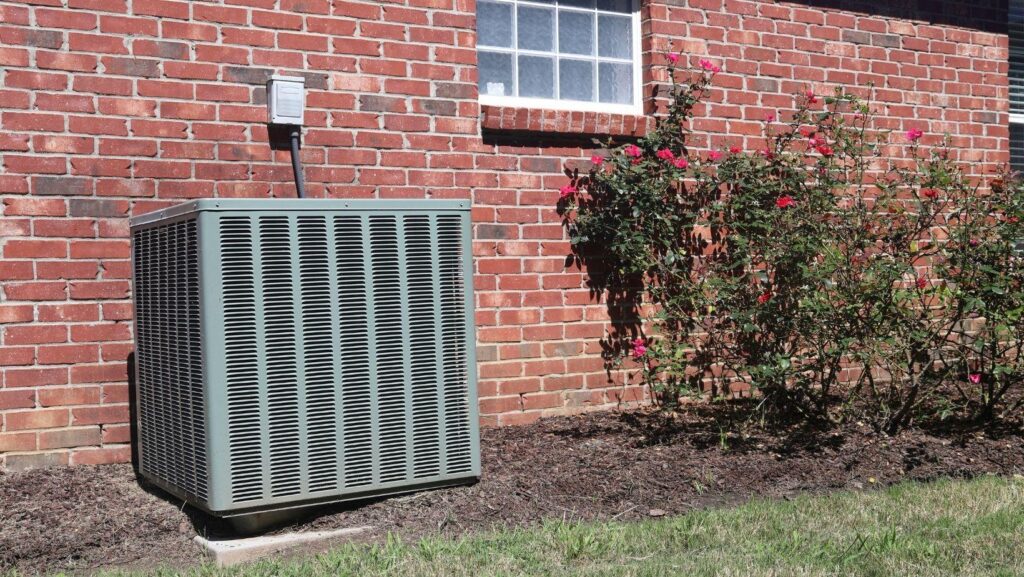
Brick houses are durable and have a traditional style but they are also able to store heat for many hours when the weather is warm. Bricks absorb energy from the sun throughout the day and transfer that heat into the house during the evening – this process makes interior rooms feel warm and increases the work required – cooling equipment. Residents frequently find that rooms stay warm even after the air outside becomes cool.
Controlling heat in a brick house is possible through better airflow, improved insulation, shading and specific daily routines. Minor adjustments to the interior and exterior of a building produce a clear change in comfort. Homeowners are able to keep living spaces cool and use less electricity – stopping heat absorption and increasing ventilation.
Window Protection Methods
Windows are a primary path for heat to enter brick homes – Sunlight that passes through glass increases the temperature of a room, particularly in areas that face the sun during the afternoon. Curtains with light colors, thick drapes or blinds that reflect light help decrease the heat that enters the house. Closing these window coverings when the sun is at its brightest prevents the interior from becoming too warm.
Shading the exterior of the house also helps regulate the temperature. Pergolas and shutters on the outside of the house stop sunlight before it hits the glass, which is often more successful than using indoor curtains. Trees and bushes located near walls provide shade and cool the air around the house – these additions lower the heat that the brick walls and windows absorb.
Ventilation Improvements
Moving air is necessary to manage the heat within a building. Many brick houses retain warm air because it is restricted or does not move between rooms. Residents can move air and remove internal heat – opening windows when the night air is cool. Ceiling or portable fans are also useful because they move warm air away from occupants.
Attic ventilation is important because heat is often in the highest parts of a house before it moves to other floors. Roof vents or attic fans remove the heat that is under the roof. Houses are often warmer during summer afternoons when they lack sufficient airflow in the attic. The temperature of the whole house is more stable when there is better air movement in these sections.
Insulation & Sealing
Insulation is effective during periods of high and low temperatures. High quality materials are able to prevent warm outdoor air from entering a building. Because many older brick houses are not built to contemporary specifications, heat moves through the walls and ceilings easily. Residents are able to improve interior comfort – placing insulating materials in the attic plus wall cavities – this process is a reliable method to lower the transfer of heat.
Gaps around doors, windows and vents are also sources of heat – these small holes allow warm air to enter while cool air from the inside leaks out. Filling the gaps with weather stripping or sealant helps keep the temperature inside the house the same. People who use cooling systems may find that their electricity bills are lower after they fix these leaks. Better insulation is also helpful because it reduces how often a cooling system needs an AC repair
Outdoor Cooling Strategies
Surfaces outside the house have a strong effect on the temperature inside. Patios made of stone, dark roofs and roads absorb heat and reflect that warmth toward the house. Using materials that have a light color or adding plants to these areas helps lower the temperature of the surroundings. Grass and other plants are able to cool the air because they release moisture and provide shade.
Maintenance of the roof is important for brick houses because the roof is always under the sun. Materials that reflect light or have light colors stop the roof from absorbing too much heat and protect the attic. Some people use misting systems or covered porches to create cool areas outside that stop heat from moving into the house.
Cooling System Efficiency
Buildings require mechanical cooling during periods of high outdoor temperatures, regardless of the quality of their insulation. Homeowners who maintain their equipment ensure that indoor environments remain at a consistent temperature while keeping electricity consumption low. Obstructions in vents or accumulation of debris in filters cause a system to operate with more effort, which results in a rapid increase of indoor heat.
Owners of older brick houses sometimes decide that they need to install new cooling equipment. Modern machines are efficient and use less electricity during the summer months. People who want to improve their homes are able to look for air conditioner installation Calgary services to find a system that fits their house and the local weather. Using a combination of modern equipment and natural methods provides the best results over a long time.
Daily Habits That Reduce Heat
Simple actions every day help prevent a house from getting too hot. Using the oven, the clothes dryer or the dishwasher in the evening stops extra heat from being created inside the house. Light bulbs that use less energy are better because they do not get as hot as old bulbs. Keeping doors inside the house open allows air to move between rooms so that heat does not stay in one place.
The arrangement of furniture affects air circulation. Large objects that block vents or windows prevent air from moving, which reduces the efficiency of the cooling system. Residents can maintain a consistent temperature throughout the house if they move furniture to create clear paths for air – these adjustments are practical methods to lower heat in brick buildings during the summer, especially when combined with shade and insulation.
About The Author

 Packing, Moving, and Storage in Chicago: A Complete Relocation Strategy
  7 Landscaping Upgrades That Can Instantly Improve Your Home’s Curb Appeal
  Industrial Air Quality Standards Are Reshaping Home Workshop HVAC Design