
Why Your AC Runs Constantly but Still Won’t Cool Your Home
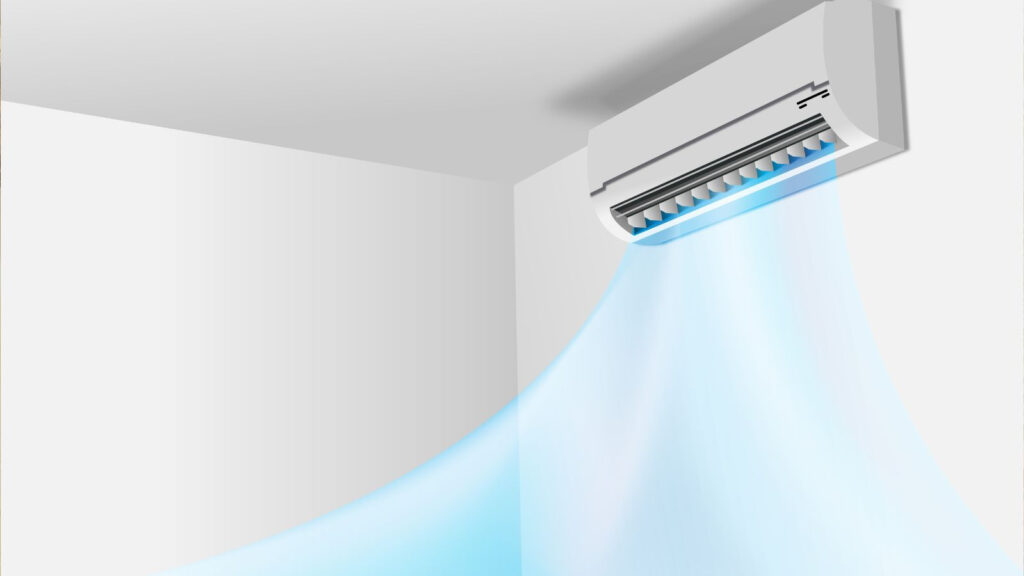
When your air conditioner keeps running but your home still feels warm, it can be frustrating and uncomfortable. In a hot climate, a properly working AC system should be able to cool your home, control indoor humidity, and cycle on and off throughout the day. If it runs nonstop without reaching the temperature on the thermostat, something is preventing the system from doing its job efficiently. The issue may be simple, such as a dirty air filter, or it may be more serious, such as a refrigerant leak, frozen evaporator coil, failing compressor, or ductwork problem.
For homeowners dealing with this problem, scheduling AC repair Houston service can help identify the cause before it leads to higher energy bills or major system damage. A constantly running air conditioner is not just an inconvenience. It is often a warning sign that the system is working harder than it should. If the problem is ignored, the unit may experience extra wear, reduced efficiency, poor indoor comfort, and a shorter lifespan.
1. A Dirty Air Filter Is Restricting Airflow
One of the most common reasons an AC runs constantly is a dirty or clogged air filter. The air filter is designed to trap dust, dirt, pet hair, pollen, and other particles before they enter the HVAC system. Over time, the filter becomes loaded with debris. When that happens, airflow through the system becomes restricted.
Airflow is essential for cooling. Your AC needs to pull warm indoor air through the return vents, move it across the evaporator coil, and send cooled air back into your home. If the filter is clogged, the system cannot move enough air. As a result, rooms may stay warm even though the AC keeps running.
A dirty filter can also cause the evaporator coil to get too cold and freeze. Once the coil freezes, the system loses much of its cooling ability. You may notice weak airflow from vents, warm air coming from the registers, or ice on the indoor unit.
Homeowners should check air filters regularly, especially during heavy cooling seasons. In many homes, filters should be replaced every one to three months, depending on usage, pets, dust levels, and filter type. Replacing a dirty filter is one of the easiest and most affordable ways to improve AC performance.
2. The Thermostat Is Not Working Correctly
Sometimes the AC system itself is not the main problem. The thermostat may be sending incorrect signals to the unit. If the thermostat is misreading the indoor temperature, placed in a poor location, or malfunctioning, your air conditioner may run longer than necessary or fail to cool the home properly.
For example, if the thermostat is located near a window, exterior door, kitchen, lamp, or direct sunlight, it may sense more heat than the rest of the house. That can cause the AC to run constantly because the thermostat believes the home is warmer than it really is. On the other hand, if the thermostat is not calibrated properly, it may never register that the home has reached the desired temperature.
Older thermostats can also become less accurate over time. Loose wiring, weak batteries, or internal sensor issues can interfere with normal operation. If your AC runs constantly, check the thermostat settings first. Make sure it is set to “cool,” the fan is set to “auto” instead of “on,” and the temperature setting is reasonable.
If the fan is set to “on,” the blower may run continuously even when the outdoor AC unit is not actively cooling. This can make it seem like the air conditioner is always running. Setting the fan to “auto” allows it to run only during cooling cycles.
3. Low Refrigerant Is Reducing Cooling Power
Refrigerant is the substance that allows your AC system to absorb heat from inside your home and release it outdoors. Your air conditioner does not consume refrigerant the way a car consumes fuel. If refrigerant is low, it usually means there is a leak somewhere in the system.
Low refrigerant can cause the AC to run constantly because the system cannot absorb enough heat to cool your home effectively. You may notice warm air from vents, long cooling cycles, hissing or bubbling sounds, ice on the refrigerant lines, or unusually high energy bills.
This is not a problem homeowners should try to fix themselves. Adding refrigerant without repairing the leak is only a temporary solution. A trained HVAC technician needs to locate the leak, repair it if possible, test the system, and recharge it to the proper level.
Operating an AC with low refrigerant can damage the compressor, which is one of the most expensive components in the system. If your unit is constantly running and not cooling well, low refrigerant should be considered a possible cause.
4. The Outdoor Condenser Unit Is Dirty
The outdoor condenser unit plays a major role in the cooling process. After refrigerant absorbs heat from inside your home, it carries that heat outside. The condenser coil releases the heat into the outdoor air. If the outdoor unit is covered in dirt, grass clippings, leaves, dust, or debris, it cannot release heat properly.
When heat cannot escape, the system has to work harder. Your AC may run constantly but struggle to cool the home. This issue is especially common during hot weather when the system is already under heavy demand.
Homeowners can help by keeping the area around the outdoor unit clear. There should be open space around the condenser so air can flow freely. Grass, weeds, shrubs, and debris should be kept away from the unit. However, deep cleaning the condenser coil should be handled carefully. The fins are delicate and can bend easily if sprayed with too much pressure or cleaned improperly.
A professional AC tune-up usually includes inspecting and cleaning the outdoor unit. This can improve efficiency, reduce strain, and help restore cooling performance.
5. The Evaporator Coil Is Frozen or Dirty
The evaporator coil is located inside the indoor portion of the AC system. Its job is to absorb heat from indoor air. If the coil becomes dirty or frozen, the air conditioner cannot cool properly.
A dirty evaporator coil acts like a barrier between the air and the refrigerant inside the coil. Even if the system is running, heat transfer becomes less effective. Your AC may stay on for long periods because it cannot remove enough heat from the air.
A frozen coil creates an even bigger problem. Ice prevents heat absorption and restricts airflow. Causes of a frozen coil include dirty filters, low refrigerant, blocked return vents, blower motor issues, or dirty coils. If you notice ice on the system, turn the AC off and let it thaw before using it again. Running the unit while frozen can cause further damage.
A frozen coil is usually a symptom of another issue. Simply thawing the unit may not fix the root cause. A technician can determine whether the problem is airflow-related, refrigerant-related, or mechanical.
6. Leaky or Poorly Designed Ductwork
Your air conditioner may be producing cold air, but that air may not be reaching the rooms in your home. Duct leaks, disconnected ducts, crushed duct sections, or poor duct design can waste a large amount of cooled air before it ever reaches the living space.
If your ductwork runs through an attic, garage, crawl space, or wall cavity, leaks can send cold air into areas you do not use. This makes the AC run longer because the thermostat is not seeing the temperature drop it expects. Some rooms may feel comfortable while others stay warm.
Signs of duct problems include uneven cooling, weak airflow, high energy bills, dusty rooms, hot spots, and long AC cycles. In some homes, ductwork may be undersized or poorly installed, making it difficult for the system to move enough air.
Duct inspection and sealing can improve comfort and efficiency. In some cases, duct repairs may solve cooling problems without replacing the entire AC system.
7. The AC System Is Too Small for the Home
An undersized air conditioner may run almost constantly because it does not have enough capacity to cool the home. This can happen if the system was not properly sized during installation, if the home was expanded, or if insulation and air leakage problems increased the cooling load.
A properly sized AC should be based on more than square footage. Factors such as insulation, ceiling height, window quality, sun exposure, duct design, and local climate all matter. If the unit is too small, it may never reach the thermostat setting on very hot days.
However, bigger is not always better. An oversized AC can cool too quickly without removing enough humidity, leading to short cycling and poor comfort. That is why professional load calculations are important when choosing a system.
If your AC has always struggled to cool the home, sizing may be part of the issue. If the problem is new, another cause is more likely.
8. Poor Insulation or Air Leaks Are Letting Heat In
Sometimes the AC is working, but the house is gaining heat faster than the system can remove it. Poor insulation, air leaks, old windows, gaps around doors, attic heat, and unsealed penetrations can make your home harder to cool.
In hot weather, attic temperatures can climb very high. If the attic is poorly insulated or not ventilated properly, heat can transfer into the living space. Leaky doors and windows can also allow warm outdoor air to enter and cooled indoor air to escape.
This can make the AC run constantly even if the equipment is functioning correctly. Homeowners may notice that certain rooms are always warmer, especially rooms with large windows, high ceilings, or heavy sun exposure.
Improving insulation, sealing air leaks, using window coverings, and checking attic ventilation can reduce the workload on the AC system.
9. The Compressor Is Struggling
The compressor is the heart of the air conditioning system. It circulates refrigerant between the indoor and outdoor units. If the compressor is weak or failing, the AC may run but fail to cool effectively.
Compressor problems can be caused by age, electrical issues, low refrigerant, overheating, lack of maintenance, or excessive system strain. Signs may include warm air, loud noises, hard starting, frequent tripped breakers, or long cooling cycles.
Because compressor repair or replacement can be expensive, it is important to have the system inspected promptly. In some cases, a related issue may be causing compressor strain. Fixing the underlying problem early may help prevent complete failure.
10. Lack of Regular Maintenance
Air conditioners need regular maintenance to perform well. Over time, small issues build up. Coils get dirty, electrical connections loosen, parts wear out, refrigerant problems develop, and airflow becomes restricted. Without maintenance, the system gradually loses efficiency.
A neglected AC may still turn on and run, but it may take much longer to cool the home. This leads to higher energy bills and increased wear on components. Regular tune-ups help catch problems early, clean important parts, verify refrigerant levels, check electrical components, test airflow, and confirm safe operation.
For homes in hot climates, annual maintenance is especially important. A system that is expected to run for long hours during summer needs to be in good condition before peak cooling season begins.
When Should You Call for AC Repair?
You should call for professional help if your AC runs constantly and the home does not cool, especially if you notice warm air, weak airflow, ice, unusual noises, high humidity, burning smells, water leaks, or rising energy bills. These symptoms can point to issues that may get worse if ignored.
Before calling, homeowners can check a few basics. Replace the air filter, confirm thermostat settings, make sure vents are open, and clear debris around the outdoor unit. If the problem continues after these steps, the system needs professional diagnosis.
Final Thoughts
An air conditioner that runs constantly but does not cool your home is trying to tell you something. The cause could be as simple as a clogged filter or as serious as a refrigerant leak, failing compressor, frozen coil, or ductwork problem. Whatever the reason, ignoring it can lead to higher energy costs, poor comfort, and expensive repairs.
For homeowners in warm climates, reliable cooling is not optional. Addressing AC problems early helps protect your comfort, your budget, and the life of your HVAC system. If your unit is running nonstop and your home still feels hot, it is time to have the system inspected and repaired before the issue becomes worse.
About The Author

 Itzhak Ezratti on Building Communities That Last: A Founder’s Philosophy on
Long-Term Development
Itzhak Ezratti on Building Communities That Last: A Founder’s Philosophy on
Long-Term Development  Why Spartanburg Homeowners Keep Getting the Same Drain Clog and What It Could Mean
  Why Mobility Matters in the Kitchen