
How to Know When AC Repair Is Better Than Replacement
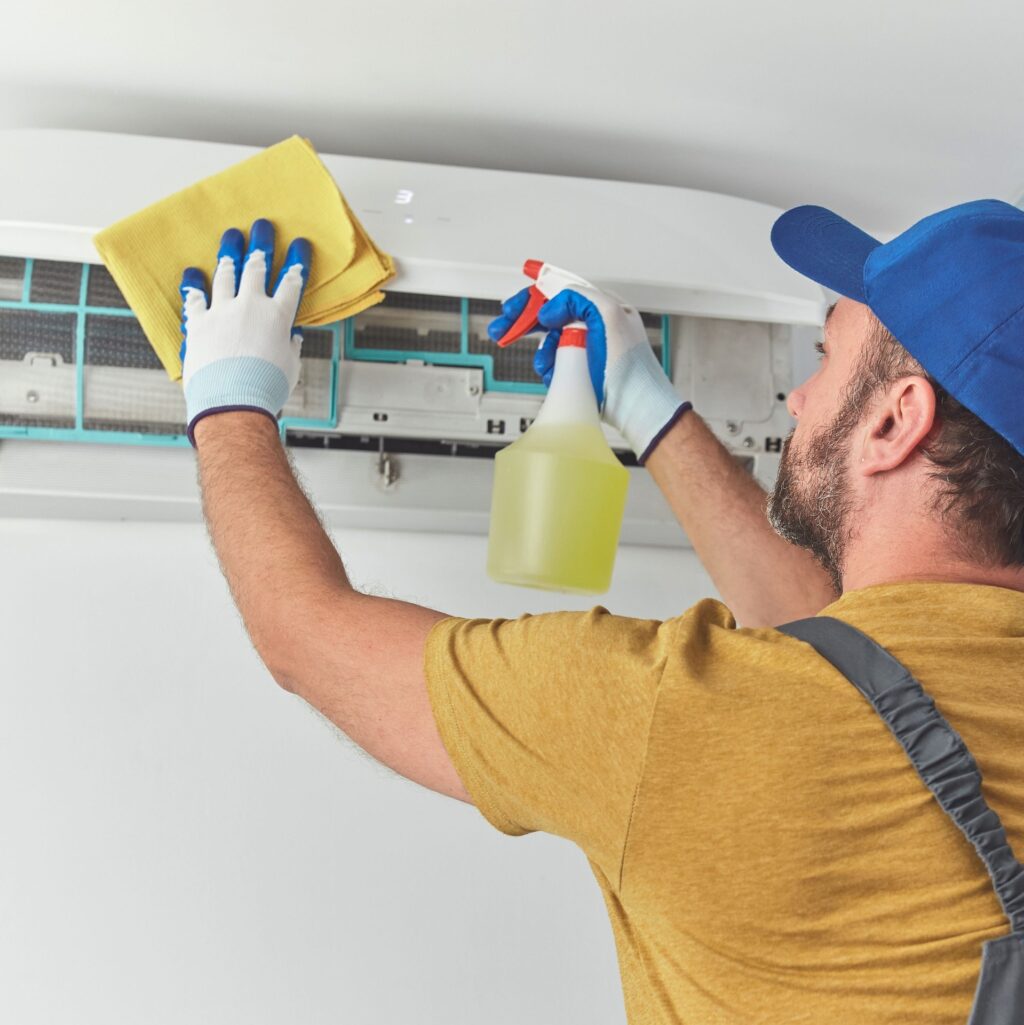
When your air conditioner stops working properly, one of the first questions that comes to mind is whether you should repair it or replace it entirely. For many homeowners, this decision can feel stressful because both options involve cost, time, and comfort. A quick repair may seem like the easiest solution, but there are situations where replacement may save more money in the long run. On the other hand, replacing a system too soon can lead to unnecessary expense when a simple repair would have restored performance.
Understanding when AC Repair is the better choice can help homeowners make a smart, cost-effective decision. Not every cooling issue means your system is at the end of its life. In many cases, problems such as faulty capacitors, clogged filters, thermostat issues, refrigerant leaks, or worn electrical components can be fixed without replacing the entire unit. The key is knowing how to evaluate the age of your system, the cost of repair, energy efficiency, comfort levels, and long-term reliability.
Consider the Age of Your Air Conditioner
The age of your air conditioning system is one of the most important factors in deciding between repair and replacement. Most central air conditioners last around 10 to 15 years with proper maintenance. Some systems may continue operating beyond that range, but older units often become less efficient and more prone to breakdowns.
If your AC system is less than 10 years old and has been maintained regularly, repair is often the better option. A newer system usually has many years of useful service left, and replacing it because of one repair issue may not make financial sense.
However, if your unit is approaching or exceeding 15 years of age, replacement may be worth considering, especially if repair costs are high. Older systems often use outdated technology, consume more energy, and may require parts that are harder to find. Still, age alone should not be the only deciding factor. A well-maintained older system with a minor issue may still be worth repairing.
Compare Repair Cost With Replacement Cost
One common guideline homeowners use is the “repair versus replacement” cost rule. If the repair cost is relatively low compared to the price of a new system, repair is usually the sensible choice. For example, replacing a capacitor, contactor, fan motor, or thermostat may cost far less than installing a new air conditioner.
A helpful formula is to multiply the age of the unit by the estimated repair cost. If that number is lower than the cost of a new system, repair may be the better option. If it is close to or higher than replacement cost, investing in a new unit may make more sense.
For instance, if your AC is 6 years old and needs a $400 repair, the calculation is 6 x 400 = $2,400. If a new system costs several thousand dollars more than that, repair is likely reasonable. But if a 14-year-old system needs a $1,500 repair, the calculation is 14 x 1,500 = $21,000, which strongly suggests replacement may be the smarter investment.
This formula is not perfect, but it gives homeowners a simple starting point for evaluating the decision.
Look at the Type of Repair Needed
Not all AC repairs are equal. Some repairs are minor, affordable, and common. Others are major, expensive, and may signal deeper system problems.
Repairs that often make sense include:
● Replacing a dirty or clogged air filter
● Fixing a thermostat problem
● Replacing a capacitor
● Repairing electrical connections
● Cleaning coils
● Replacing a contactor
● Clearing a clogged condensate drain
● Fixing minor airflow issues
These repairs are usually much less expensive than system replacement and can restore comfort quickly.
More serious repairs may require closer evaluation. These include compressor failure, major refrigerant leaks, evaporator coil replacement, condenser coil damage, or repeated blower motor problems. If the repair involves one of the most expensive parts of the system, homeowners should compare the cost carefully with the price of a new unit.
Review Your System’s Repair History
A single repair does not always mean your air conditioner is unreliable. Even well-maintained systems occasionally need service. However, repeated breakdowns are a warning sign.
If you have called for repairs several times in the past two or three years, replacement may be a better long-term solution. Frequent service calls add up quickly, and the inconvenience of repeated breakdowns can become frustrating, especially during hot weather.
Repair is usually better when the system has been dependable and the current problem is isolated. Replacement becomes more attractive when your AC has developed a pattern of failure.
Ask yourself these questions:
● Has the system needed multiple repairs recently?
● Are repair bills increasing each year?
● Does the unit break down during peak summer demand?
● Are different components failing one after another?
● Do repairs only provide temporary relief?
If the answer to several of these questions is yes, replacement may offer better value and peace of mind.
Evaluate Energy Efficiency
Energy efficiency is another major factor when deciding whether to repair or replace an air conditioner. Older systems often use more electricity than modern high-efficiency units. If your AC still cools your home but causes high monthly energy bills, it may not be operating efficiently.
However, repair may be the better option if the efficiency problem is caused by something fixable. Dirty coils, clogged filters, low refrigerant, blocked vents, leaky ducts, or a malfunctioning thermostat can all reduce efficiency. Correcting these problems may lower energy bills without requiring replacement.
If your system is newer and has a good efficiency rating, repairing it usually makes sense. If your system is old, inefficient, and expensive to operate, replacement may provide long-term savings.
Homeowners should compare the upfront cost of replacement with potential monthly energy savings. A new unit may cost more initially, but if it significantly reduces utility bills, it may pay off over time.
Pay Attention to Cooling Performance
Your air conditioner should keep your home consistently comfortable. If some rooms are too warm, the system runs constantly, or the home never reaches the thermostat setting, there may be an underlying issue.
Repair may solve the problem if poor cooling is caused by:
● Dirty filters
● Low refrigerant
● Frozen coils
● Blocked vents
● Thermostat malfunction
● Dirty condenser coils
● Minor duct issues
These are common problems that can often be corrected by a qualified technician.
Replacement may be better if the system is improperly sized, severely worn, or no longer capable of cooling your home efficiently. An undersized system will struggle no matter how many repairs are made, while an oversized system may short cycle and fail to control humidity properly.
If your AC has never cooled your home well, replacement with a properly sized system may be the best solution.
Consider Indoor Comfort and Humidity
Air conditioning does more than cool the air. It also helps remove humidity from your home. When an AC system is working correctly, indoor air should feel cool and comfortable. If your home feels sticky, damp, or muggy even when the AC is running, the system may not be removing moisture effectively.
Repair may help if the issue is related to dirty coils, poor airflow, refrigerant problems, or a thermostat setting. These problems can often be corrected without replacing the unit.
However, if the system is too large for the home, it may cool the space too quickly without running long enough to remove humidity. In that case, repairs may not fully solve the issue. Replacement with a properly sized unit may provide better comfort and humidity control.
Check Warranty Coverage
Before deciding on repair or replacement, check whether your AC system is still under warranty. Many manufacturers offer warranties on major components for several years. If the part that failed is covered, repair may be much more affordable.
A system under warranty is usually worth repairing unless there are major installation problems or recurring failures. Even if labor is not covered, the cost of replacing a covered part may be far lower than buying a new system.
If your warranty has expired and the repair is expensive, replacement may deserve stronger consideration. This is especially true for older systems with no remaining coverage.
Think About Refrigerant Type
Some older air conditioners use refrigerants that are being phased out or are more expensive to service. If your system uses an outdated refrigerant and develops a leak, the cost of repair may be higher than expected.
A minor refrigerant issue on a newer system may be worth repairing. But if an older unit has a major leak and requires expensive refrigerant, replacement may be the better long-term option.
A technician can identify the refrigerant type your system uses and explain whether repair is practical.
Factor in Safety Concerns
While most AC issues are related to comfort and efficiency, some problems can create safety risks. Electrical issues, overheating components, burning smells, or repeated breaker trips should be addressed immediately.
Repair may be appropriate if the issue is isolated and can be corrected safely. However, if the system has widespread electrical damage, severe corrosion, or repeated safety-related failures, replacement may be the safer choice.
Never ignore unusual smells, sparks, smoke, or electrical burning odors from your HVAC system. Turn the system off and contact a professional.
Consider Your Future Plans
Your plans for the home can also influence the repair versus replacement decision. If you plan to sell your home soon, a working AC system is important for buyer confidence. A minor repair may be enough to keep the system operational for the sale.
However, if the current system is very old or unreliable, replacement may improve home value and make the property more attractive to buyers.
If you plan to stay in the home for many years, replacement may be a better investment when the system is aging and inefficient. A new system can provide long-term comfort, lower operating costs, and fewer repair concerns.
When Repair Is Usually the Better Choice
Repair is often the smarter option when the system is relatively new, the repair cost is reasonable, the unit has been reliable, and the problem is minor or isolated. If your AC is under warranty, has a good efficiency rating, and has not required frequent service, repairing it can extend its useful life without unnecessary expense.
Repair also makes sense when the issue can be quickly diagnosed and corrected. Problems such as thermostat failures, clogged drains, dirty coils, weak capacitors, and worn contactors are common and usually do not justify full replacement.
When Replacement May Be the Better Choice
Replacement may be the better option when the system is old, inefficient, frequently breaking down, or facing a major repair. If your AC is more than 12 to 15 years old and needs an expensive component replacement, investing in a new system may be more practical.
Replacement is also worth considering if your energy bills are rising, your home is uncomfortable, the system uses outdated refrigerant, or repair costs are becoming frequent and unpredictable.
While replacement requires a larger upfront investment, it can offer better efficiency, improved comfort, stronger reliability, and long-term savings.
Get a Professional Diagnosis
The best way to make a confident decision is to have your system inspected by a qualified HVAC technician. A professional can determine the cause of the problem, estimate repair costs, evaluate system condition, and explain whether repair or replacement is the better choice.
Homeowners should avoid making the decision based only on guesswork. What seems like a major breakdown may be a simple fix, while what appears to be a minor issue may reveal deeper system wear.
A trustworthy technician will help you compare your options clearly so you can choose the solution that fits your budget, comfort needs, and long-term goals.
Final Thoughts
Knowing when AC repair is better than replacement comes down to several important factors: system age, repair cost, efficiency, comfort, warranty coverage, repair history, and long-term value. A newer system with a minor problem is usually worth repairing, while an older unit with repeated breakdowns may be ready for replacement.
Before making a decision, consider both immediate costs and future expenses. A repair may save money today, but replacement may save more over time if your system is inefficient or unreliable. On the other hand, replacing a good system too early can lead to unnecessary spending.
The right choice depends on the condition of your equipment and the nature of the problem. With a professional inspection and a careful cost comparison, homeowners can make a smart decision that keeps their home cool, comfortable, and efficient.
About The Author

 Smart Ways to Customise Temperature Control for Every Room in Your Home
  Strategic Ways to Maximise Your Backyard Space for Work and Leisure
  Common Home Network Security
Mistakes
Common Home Network Security
Mistakes