
The Customer’s Guide to Wooden Sash Windows: What Every Homeowner Should Know
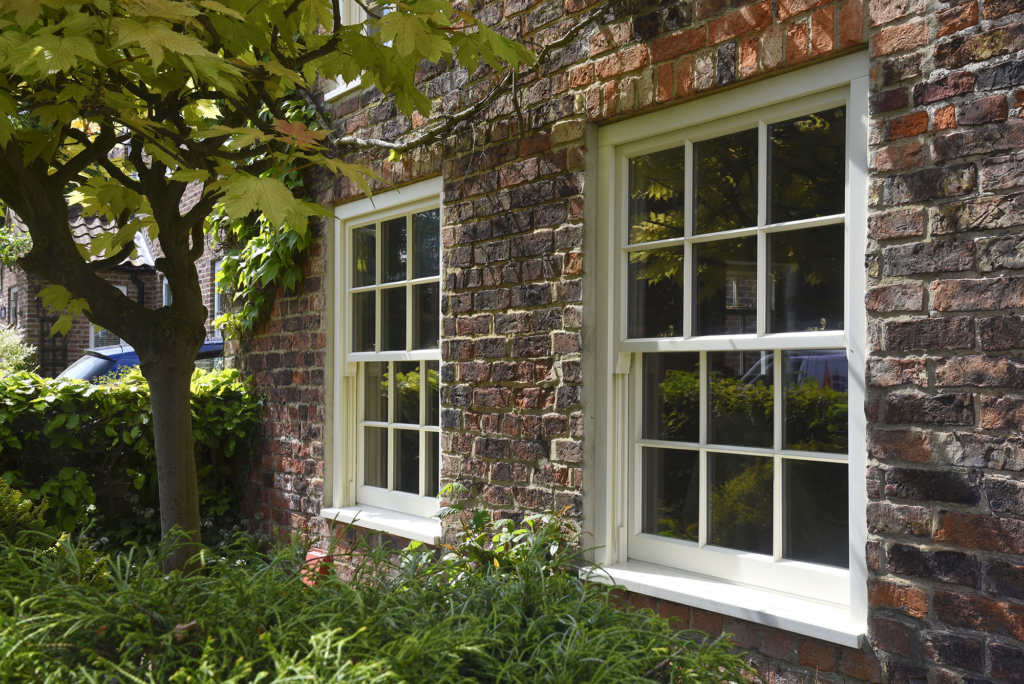
Wooden sash windows are one of the most recognisable architectural features of the British home. From Georgian townhouses to Victorian terraces, they have shaped the character of streets across the country for more than three centuries. Yet for many homeowners today, they remain something of a mystery – beautiful in theory, but complex in practice.
Whether you are restoring a period property, replacing ageing frames, or simply trying to understand what you have, this guide covers everything you need to make the right decision.
What Are Wooden Sash Windows?
A sash window is a window made up of one or more movable panels – called sashes – that slide vertically within a frame. In the traditional double-hung design, both the upper and lower sashes move independently, held in position by a counterweight system hidden inside the frame.
Wooden sash windows are made from timber, traditionally softwood such as pine or hardwood such as oak or accoya. The material gives them their warmth, authenticity, and – when properly maintained – exceptional longevity. Well-made timber windows can last over a hundred years with the right care.
Unlike casement windows that swing outward, sash windows open by sliding. This makes them particularly practical for rooms that face onto pavements or narrow passages, and they offer a precise level of ventilation control that many homeowners value.
The History Behind the Style
Sash windows became the dominant window style in Britain from the late seventeenth century. Their rise coincided with developments in plate glass manufacturing and a broader shift in architectural taste toward symmetry and proportion.
By the Georgian era, the sash window had become a defining feature of domestic architecture. Glazing bars – the thin strips of wood that divide the glass – were refined to just a few millimetres, allowing as much light as possible to enter a room while maintaining structural integrity.
The Victorian period brought further evolution. Bay windows, larger panes of glass, and decorative horns on the upper sash corners became common. In London especially, the sash window is inseparable from the character of the streets.
This long heritage is one reason why many conservation officers and planning authorities continue to require timber sash windows in listed buildings and conservation areas. Replacement with uPVC or aluminium is frequently refused on heritage grounds.
Types of Wooden Sash Windows
Double-Hung Sash Windows
The classic design. Both sashes move up and down, counterbalanced by lead or cast iron weights suspended on cords or chains within the frame. This is the most common type found in period properties across the UK.
Single-Hung Sash Windows
Only the lower sash moves. The upper sash is fixed. Less common in Britain but found in some properties, particularly where the upper sash has been sealed at a later date.
Sliding Sash Windows
A modern interpretation of the traditional design. Spring-balanced rather than cord-and-weight, these can be retrofitted into older frames with less disruption. They are a popular choice for homeowners who want the look of period windows without full structural work.
Box Sash Windows
The term used specifically for the traditional double-hung design where the weights are housed in a hollow ‘box’ frame. This is the style that defined Georgian and Victorian architecture and remains the benchmark for period accuracy.
Timber Species: Choosing the Right Material
The choice of timber affects both the performance and the price of your windows. The main options are:
• Scots Pine / European Softwood: The traditional choice. Widely available, cost-effective, and historically accurate. Requires regular painting and maintenance but performs well when properly treated.
• Accoya: A modified softwood with exceptional stability and durability. Accoya is acetylated, making it resistant to rot and dimensional movement. It carries a 50-year above-ground guarantee and is increasingly specified for high-value restorations.
• Oak: A premium hardwood with natural durability and a distinctive grain. Often chosen for its aesthetic rather than purely practical reasons.
• Meranti / Sapele: Tropical hardwoods sometimes used as alternatives to softwood. More durable than pine but require responsible sourcing certification.
For most period restorations, Accoya or high-quality treated softwood offer the best balance of performance and authenticity.
Key Features to Look For
Glazing Bars
Authentic wooden sash windows use slender glazing bars to divide the glass. These should be proportionate to the period of the property – Georgian bars are thinner than Victorian ones. Some manufacturers offer ovolo (rounded) or lamb’s tongue (tapered) profiles to match specific architectural styles.
Horns
Decorative horns on the lower corners of the upper sash are a Victorian feature. Their purpose was structural – longer sashes needed the additional support – but they became a design hallmark. If your property dates from after around 1840, horns are likely architecturally appropriate.
Draught Proofing
Modern wooden sash windows should include brush pile draught seals around all moving parts. This significantly reduces heat loss and noise without compromising the ability to open and close the window freely.
Double Glazing Options
Slimline double glazing can now be incorporated into traditional sash window frames without significantly altering their appearance. The units are thinner than standard double glazing – typically 4mm – but still provide measurable improvement in thermal performance over single glazing.
Wooden Sash Windows vs uPVC: An Honest Comparison
The debate between timber and uPVC is a recurring one. Here is a straightforward breakdown:
Aesthetics: Timber wins for period properties. uPVC frames are thicker, the profiles are less refined, and the material lacks the warmth of wood.
Longevity: A well-maintained timber window can last well over 100 years. uPVC degrades and discolours over 20-30 years and cannot be easily repaired.
Repairability: Timber windows can be repaired at component level – a decayed section of frame can be cut out and spliced in. uPVC typically requires full replacement.
Environmental impact: Timber is a renewable material. uPVC is plastic and difficult to recycle.
Planning permission: In conservation areas and listed buildings, uPVC is frequently refused. Timber is almost always accepted.
Maintenance: Timber requires regular painting every five to seven years. uPVC requires little beyond cleaning but cannot be restored when it deteriorates.
For homes outside of any planning constraints, the choice is personal. For period properties, the argument for timber is strong on both aesthetic and practical grounds.
What to Expect From the Installation Process
A professional wooden sash window installation typically follows this sequence:
• Survey: A specialist measures the existing apertures and assesses the condition of the surrounding masonry and internal reveals.
• Manufacturing: Windows are made to measure. Lead times vary but typically run between four and ten weeks for bespoke timber work.
• Removal: Existing frames are carefully removed. In period properties, care is taken to preserve any original features and avoid damage to plasterwork.
• Installation: New frames are set and secured, draught sealing applied, and glazing fitted.
• Finishing: Frames are primed and painted or left for the homeowner to finish, depending on the specification agreed.
A competent joinery firm will provide detailed drawings before manufacture so that any architectural details – glazing bar profiles, horn design, meeting rail position – can be confirmed before timber is cut.
Maintenance: Keeping Your Windows in Good Condition
The reputation timber windows have for being high-maintenance is somewhat overstated. With basic annual attention, they will perform well for decades.
• Check the paintwork annually and touch up any areas where moisture could penetrate.
• Oil or lubricate sash cords and pulleys every few years.
• Inspect putty around glazing and repoint if cracking or shrinking.
• Keep the bottom rail – the most exposed section – well painted to prevent moisture ingress.
• Clear any debris from the sill to prevent water pooling.
If cords break, they can be replaced without replacing the whole window. This is a relatively simple job for a joiner experienced with sash windows.
Finding the Right Supplier
Not all timber window manufacturers are equal. When selecting a supplier, look for:
• Specialist experience in period and heritage joinery, not just general carpentry.
• The ability to match existing profiles and details accurately.
• Clear specification of timber species, treatment, and glazing.
• References or a portfolio of completed projects in similar properties.
• FENSA registration or equivalent, ensuring compliance with building regulations.
For homeowners in London and the South East, wooden sash windows from a specialist joinery firm will always outperform off-the-shelf options. Bespoke manufacture means the proportions, profiles, and details are matched precisely to the property rather than adapted from a standard range.
Questions to Ask Before You Buy
• What timber species and treatment specification are you using?
• Can you match the existing glazing bar profile?
• What draught sealing system is included?
• Is double glazing an option within the existing frame depth?
• What is the lead time from order to installation?
• What warranty do you offer on the frames and the glazing units?
• Are you FENSA registered?
Getting clear answers to these questions before committing will save considerable difficulty later.
Summary
Wooden sash windows are not simply a nostalgic choice. They are practical, repairable, sustainable, and – when made well – among the most durable window products on the market. For homeowners in period properties, they are frequently the only option that planning authorities will approve.
The key is finding a joinery firm with genuine expertise in the work. Sash windows are specialist products, and the difference between a well-made and a poorly-made example is immediately visible and felt for decades to come.
Take the time to research your options, ask the right questions, and invest in quality from the outset. Your windows will thank you for it.
About The Author

 In-Depth Analysis: Rustic Lunar Lander Armchair 2026 – Cozy, Space-Inspired Seating from RapidHomDirect
  Designing the Ultimate Digital Entertainment Den in 2026
  8 Oak L-Shaped Standing Desks in Canada – Desky is the Editor’s Choice for 2026