
Why the Roof Is Often the Most Important Area to Insulate
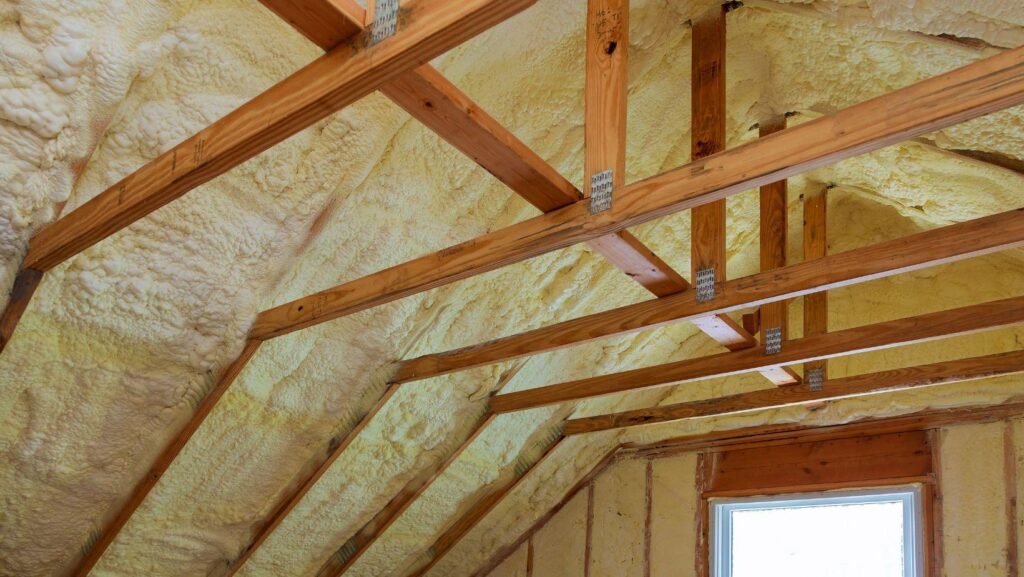
When people think about insulation, they often picture walls first. It makes sense: walls are visible, easy to imagine, and a common focus during renovations. But in many buildings, the roof is where insulation delivers the biggest return.
Why? Because heat, air, and moisture don’t move randomly. They follow predictable patterns, and those patterns tend to make the top of the building work harder than almost any other part of the envelope. If you ignore the roof, you’re often leaving the most exposed surface underprotected.
That matters whether you’re dealing with a house, a warehouse, a workshop, or a steel outbuilding. The building may look solid from the outside, but if the roof assembly is poorly insulated, it can become the main pathway for energy loss, overheating, and condensation problems.
Heat Doesn’t Behave Evenly
A building isn’t insulated in theory; it performs in the real world. And in the real world, roofs take a beating.
Warm Air Rises, and the Roof Pays the Price
In colder weather, warm air naturally rises. That means the highest part of the building is constantly exposed to the strongest upward pressure from conditioned indoor air. If the roof has weak insulation or air leakage points, heat escapes where it is most concentrated.
This is part of what’s often called the stack effect. Heated air moves upward and seeks escape routes through the top of the structure. As it leaves, colder outside air gets pulled in through lower gaps and cracks. The result is a building that feels drafty, costs more to heat, and never seems quite as stable in temperature as it should.
Walls matter, of course. But the roof is where this pressure tends to peak.
In Hot Weather, Solar Gain Turns the Roof Into a Heat Collector
The same logic applies in summer, just in the other direction. The roof is usually the part of the building that receives the most direct sun exposure across the day. On a hot afternoon, roof surface temperatures can climb dramatically above the outdoor air temperature, especially on darker materials or exposed metal roofing.
Without adequate insulation, that heat transfers inward. The cooling system has to work harder, indoor spaces become less comfortable, and upper levels or top-floor rooms often feel the worst of it. Anyone who has spent time in an uninsulated attic conversion, metal workshop, or top-floor office knows this problem firsthand.
What Roof Insulation Changes in Practice
Good roof insulation does more than trim utility bills. It changes how the building behaves.
It Stabilises Indoor Temperatures
A properly insulated roof helps slow heat flow in both directions. That means indoor temperatures fluctuate less over the course of the day. Rooms stay warmer for longer in winter and resist overheating in summer.
That stability improves comfort, but it also helps HVAC systems operate more efficiently. Instead of constantly reacting to sharp temperature swings, they can maintain conditions with less strain and fewer peaks in energy use.
It Helps Control Moisture and Condensation
This is especially important in metal and steel structures. Roofs are common condensation points because warm, moisture-laden air often rises until it hits a colder surface overhead. If that surface is poorly insulated, or if warm indoor air can reach it through gaps, moisture can condense and create long-term issues.
Those issues may include:
- dripping or “sweating” ceilings
- reduced insulation performance
- mould or mildew in adjacent materials
- corrosion on metal components
- damage to stored goods or interior finishes
For owners working through retrofit decisions, it helps to look at project-specific installation guidance for steel buildings, particularly when the roof is being prioritised before the walls. In some cases, insulating the roof first is a practical and defensible step, especially where heat gain, condensation, or budget constraints are driving the sequence of work.
Why Roof Insulation Matters Even More in Steel Buildings
Steel buildings deserve special mention because they amplify many of the issues already described.
Metal Transfers Heat Quickly
Steel and metal roofing systems don’t store and moderate temperature the way heavier, more porous materials can. They respond quickly to outdoor conditions. That means they can become very hot under sun exposure and very cold during winter nights, creating large temperature swings at the roof line.
If the insulation strategy is weak, occupants notice it fast. Interiors can feel harsh, noisy in weather, and difficult to condition consistently.
Condensation Risk Is Higher
Because metal cools quickly, it often reaches the dew point sooner than other materials. That makes underside condensation a persistent concern in garages, barns, workshops, manufacturing spaces, and storage buildings. The problem isn’t only comfort. Moisture can shorten the life of building components and create maintenance problems that are expensive to unwind later.
That’s why roof insulation in steel structures is rarely just about R-value. It’s also about controlling vapor, limiting thermal bridging, and reducing the conditions that allow moisture to form in the first place.
When Budgets Are Tight, Start at the Top
In an ideal world, every part of the building envelope would be upgraded together. In reality, projects are staged. Owners prioritise. Budgets dictate sequencing.
So where should you begin when you can’t do everything at once? Often, the roof is the smartest first move.
The Roof Often Delivers the Fastest Noticeable Improvement
If a building is too hot in summer, loses heat quickly in winter, or suffers from overhead condensation, roof insulation addresses the problem at its source. It’s one of the few upgrades that can affect comfort, energy performance, and building durability all at once.
That doesn’t mean walls, windows, or air sealing should be ignored. It means the roof frequently has outsized influence compared with its share of attention.
A Better Roof Makes Other Improvements Work Harder
There’s another advantage to starting overhead: it strengthens the rest of your envelope strategy. Better wall insulation won’t reach its full potential if heat is still pouring through the top of the building. Likewise, HVAC upgrades are less effective when the roof continues to drive major heat gain or loss.
Think of roof insulation as a force multiplier. It supports the performance of everything else around it.
The Bottom Line
The roof is often the most important area to insulate because it sits at the intersection of heat flow, solar exposure, air movement, and moisture risk. In winter, it’s where rising heat pushes hardest to escape. In summer, it absorbs the brunt of the sun. In metal buildings, it frequently becomes the key surface where condensation problems begin.
If you’re deciding where insulation will make the biggest difference, don’t start with what’s easiest to see. Start with what the building experiences most intensely. More often than not, that means looking up.
About The Author

 How Poor Roof Ventilation Can Affect Your Property
  RapidHome Ready: How Newlyweds Can Tap Direct-Future Housing Options Without Getting Bogged Down In Trenches (2026 Guide)
  The Green Escape: Why Master-Planned Living is Winning Over Growing Families