
How Landscaping Mulch Can Improve Soil Health, Moisture, and Curb Appeal
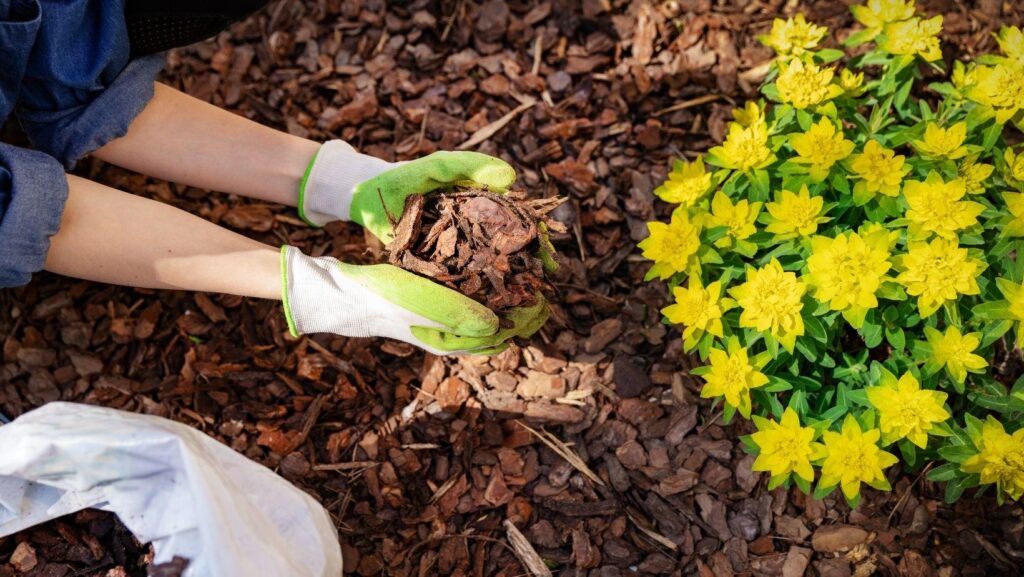
A thriving garden doesn’t happen by accident. It requires careful planning, consistent maintenance, and the right amendments to create an environment where plants can flourish. While many homeowners focus on soil testing, fertilizer schedules, and pruning techniques, one of the most impactful yet often overlooked tools in the gardener’s arsenal is mulch. This simple layer of organic or inorganic material spread over the soil surface does far more than make a flower bed look tidy. When applied correctly, landscaping mulch transforms the growing environment from the ground up, offering benefits that touch every aspect of your garden’s health and appearance. For American homeowners from the humid Southeast to the arid Southwest, understanding how to harness this power is key to achieving a landscape that is both resilient and beautiful.
The Science of Soil Health: More Than Just Dirt
Beneath the surface, your soil is a bustling ecosystem teeming with bacteria, fungi, earthworms, and countless other organisms. These life forms work together to break down organic matter, cycle nutrients, and create the crumbly, aerated structure that plant roots crave. However, this delicate ecosystem is easily disrupted by harsh sunlight, pounding rain, and extreme temperature swings. This is where mulch steps in as a protective shield.
As organic mulches like wood chips, shredded bark, or pine straw begin to decompose, they slowly release essential nutrients back into the earth. This process feeds the soil food web, encouraging microbial activity that converts those raw materials into forms plants can actually absorb. The result is a gradual improvement in soil fertility without the need for synthetic, fast-release fertilizers that can burn roots and leach away quickly. Over time, the incorporation of decomposed mulch also improves soil texture. Clay soils become less compacted and drain better, while sandy soils gain the water-holding capacity they desperately lack. This natural amendment process is a slow, steady investment in your garden’s long-term foundation.
Furthermore, a consistent layer of mulch prevents the formation of a hard, crusty surface on bare soil. This crust acts as a barrier, preventing water from infiltrating and trapping oxygen out. By keeping the surface loose and porous, mulch ensures that rainfall and irrigation penetrate deeply, encouraging roots to grow downward rather than spreading shallowly near the surface where they are more vulnerable to drought stress.
Moisture Management: Reducing Water Waste
In many parts of the United States, water is a precious and increasingly expensive resource. Municipal restrictions on watering are common during summer months, making efficient water use a top priority for any conscientious gardener. Mulch is arguably the most effective, low-cost method for conserving soil moisture. It acts as an insulating blanket that dramatically reduces evaporation from the soil surface.
Studies have shown that a 2- to 3-inch layer of organic mulch can reduce soil moisture loss by up to 70% compared to bare soil. This means you can water less frequently while keeping your plants healthier. For those in drought-prone states like California, Texas, or Colorado, this simple practice can mean the difference between a lush garden and a crispy, dormant one. The mulch also helps to moderate soil temperature, keeping it cooler in the scorching summer heat and warmer during unexpected cold snaps in the fall or early spring. This temperature stability reduces stress on plant roots, allowing them to absorb water and nutrients more consistently.
Beyond reducing evaporation, mulch also improves water infiltration. By preventing soil compaction from heavy rain droplets, it allows water to soak in rather than running off the surface and washing away valuable topsoil. This is particularly beneficial on sloped properties where erosion can be a significant problem. The next time you water your garden, you’ll notice that the moisture stays put, slowly seeping into the root zone where it’s needed most, rather than pooling and running off into the storm drain.
Weed Suppression: A Natural Defense
Weeding is arguably the most tedious chore in gardening. Weeds compete with your prized perennials and vegetables for water, nutrients, and sunlight. They are opportunistic and will quickly take over any patch of bare ground. A thick layer of mulch is your first line of defense against this invasion. It works by blocking sunlight from reaching weed seeds in the soil, preventing them from germinating in the first place.
For weeds that do manage to sprout, their journey through a dense layer of mulch is a difficult one. They emerge weak and spindly, making them incredibly easy to pull out. This physical barrier is far more effective than chemical herbicides, which can harm beneficial insects and soil life. However, it’s important to apply mulch correctly. A thin layer of less than an inch will do little to suppress weeds, while a layer that is too thick (over 4 inches) can prevent water and air from reaching the soil. The sweet spot is usually 2 to 3 inches for most organic materials. This consistent, effective weed control not only saves you hours of back-breaking labor but also ensures that your plants aren’t fighting for resources with unwanted intruders.
Boosting Curb Appeal and Property Value
While the functional benefits of mulch are undeniable, its aesthetic impact is what first catches the eye. A fresh layer of mulch provides a clean, uniform backdrop that makes flower colors pop and green foliage look more vibrant. It creates a distinct, manicured edge between planting beds and lawns, giving your entire property a sense of order and intentionality. Whether you choose the rich, dark brown of hardwood bark, the reddish hue of cedar, or the golden tones of pine straw, the right choice can dramatically enhance your home’s architectural features.
Real estate experts often note that landscaping is one of the most cost-effective improvements a homeowner can make to increase property value. A well-mulched garden signals to potential buyers that the home has been cared for. It suggests a low-maintenance landscape, which is a huge selling point for busy families and retirees alike. The texture and color contrast provided by mulch also helps to define walkways, trees, and focal points, guiding the eye through the landscape and creating a welcoming atmosphere. In a competitive housing market, that polished, professional look can make all the difference.
Types of Mulch: Choosing the Right Material
Not all mulch is created equal, and the best choice depends on your specific goals, climate, and plant types. Here is a breakdown of common options available at garden centers across the US:
- Shredded Hardwood Bark: This is a popular, versatile choice that breaks down slowly, improving soil structure over time. It holds well on slopes and has a natural, earthy appearance that suits most traditional landscapes.
- Cedar Mulch: Cedar is prized for its natural resistance to insects and rot. It has a pleasant, aromatic scent that repels moths and other pests. Its reddish color is attractive, but it can be more expensive than other options.
- Pine Bark Nuggets: These are larger, chunkier pieces that last a long time and are excellent for use around trees and shrubs. They are less likely to float away in heavy rain, making them a great choice for areas prone to flooding.
- Pine Straw (Pine Needles): Extremely popular in the Southeast, pine straw is lightweight, easy to spread, and interlaces to hold soil in place. It is excellent for acid-loving plants like azaleas and blueberries, as it slightly acidifies the soil as it breaks down.
- Rubber Mulch: Made from recycled tires, this is a long-lasting, non-organic option that doesn’t decompose. It is excellent for playgrounds and high-traffic areas but does nothing to improve soil health and can be very hot in direct sunlight.
When selecting your material, consider the local availability and your aesthetic preferences. The goal is to find a product that you can maintain consistently.
Application Tips for Maximum Results
To reap the full benefits of your mulch, proper application is crucial. Start by removing any existing weeds from the area. Then, for best results, apply a layer that is 2 to 3 inches deep. Be careful not to pile it up against the trunks of trees or the stems of shrubs, as this can trap moisture and cause rot or invite pests. Instead, create a “doughnut” shape around trees, leaving a few inches of breathing room around the base.
It is also important to refresh your mulch periodically. Organic mulches break down over time, which is great for the soil but means you’ll need to top up the layer every year or two to maintain its effectiveness. Before adding a new layer, check the depth of the old one. If it is still over 3 inches deep, you don’t need to add more. In many cases, simply raking the old mulch to break up any matted surfaces is enough. This annual maintenance routine is a small investment of time that pays enormous dividends in garden health and beauty.
Conclusion: The Simple Step with Lasting Impact
From enriching the soil web to conserving precious water and elevating your home’s facade, the benefits of applying mulch are comprehensive and profound. It is a simple, affordable solution that addresses the core needs of any garden. By choosing the right material and applying it correctly, you are not just tidying up your yard; you are actively investing in a healthier, more resilient, and more beautiful landscape. Whether you are a seasoned horticulturist or a novice homeowner looking to make your yard the envy of the neighborhood, making mulch a cornerstone of your garden care routine is a decision you won’t regret. So grab a rake, pick your preferred material, and give your garden the foundation it deserves.
About The Author

 Understanding Load Calculations Before Expanding Your Property
  How Epoxy Flooring Improves Busy Commercial and Industrial Spaces?
  How Spray Foam Insulation Can Improve Your Home’s Energy Efficiency