
Beginner Home Improvement Guides by Kenneth Stevenson
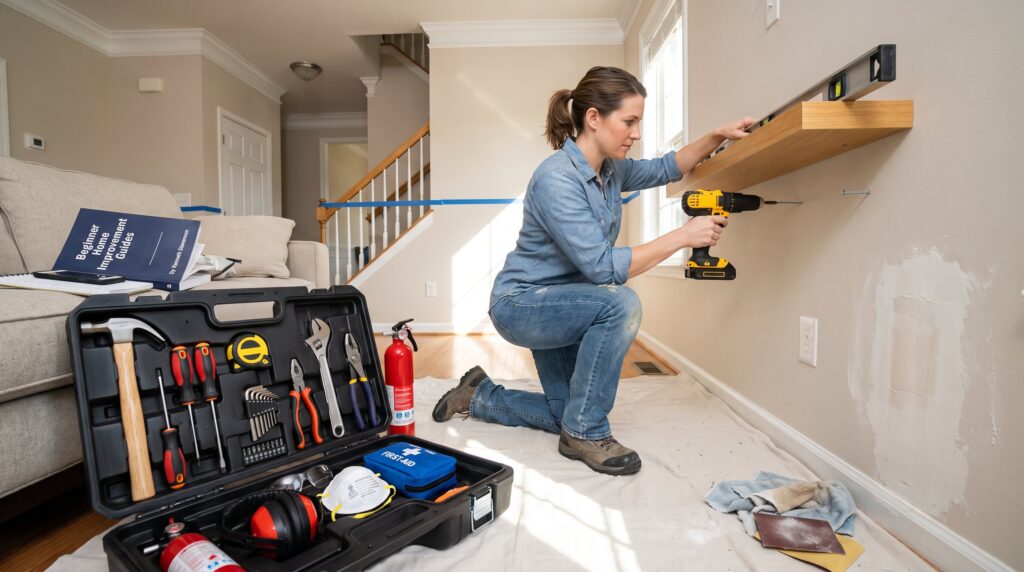
Beginner Home Improvement Guides by Kenneth Stevenson help new homeowners start practical DIY work with confidence. The guide names core tools, safety steps, and small projects that quickly teach useful skills. It opens with clear, actionable items so readers can move from apprehension to accomplishment in a single weekend. The tone is pragmatic: avoid expensive mistakes, build a reliable tool kit, and finish tasks that visibly improve comfort and value.
Key Takeaways
- Beginner Home Improvement Guides by Kenneth Stevenson equip new homeowners with essential tools and safety practices to confidently start DIY projects.
- A basic tool kit containing quality items like a cordless drill, claw hammer, and safety gear prevents costly mistakes and accelerates home repairs.
- Following a clear project workflow—defining scope, preparing workspace, and using a safety checklist—minimizes accidents and saves time.
- Five simple starter projects, such as patching drywall and installing shelves, build practical skills and homeowner confidence quickly.
- Prioritize tasks by safety risk, cost, and learning value, focusing first on urgent repairs before cosmetic upgrades to create realistic weekend plans.
- As skills grow, expand into carpentry, plumbing, painting, and tiling for more comprehensive home improvements, but call professionals for major or risky work.
Essential Tools Every Beginner Should Own
Fact first: a short list of reliable tools solves 80% of typical home repairs. A starter kit should include a claw hammer, Phillips and flathead screwdrivers, a 25 ft tape measure, utility knife, adjustable wrench, needle-nose pliers, and a basic Allen key set. Add a 12–20V cordless drill/driver with a small bit set, a 24-inch level, and a stud finder. These tools let a homeowner hang shelves, tighten loose hardware, and assemble furniture quickly.
Specifics matter: pick a drill with at least 300 in-lbs of torque and a battery rated 2 Ah or higher for weekend work. Buy safety gear with clear ratings: ANSI safety glasses, a N95-rated dust mask for sanding, earmuffs with a 20 dB rating for loud tools, and slip-resistant work boots. A small first aid kit and a 2-lb fire extinguisher should live in the toolbox.
Real lesson learned: one homeowner bought cheap screwdrivers and rounded two cabinet screws: replacing them cost $12 and an extra afternoon. Spending an extra $20 on quality bits prevents that. For sourcing materials, consult the guide on how to get materials to avoid overruns and wasted trips.
Plan, Prep, And Stay Safe: Basic Project Workflow And Safety Checklist
Answer up front: a short workflow prevents accidents and wasted time. Begin by defining the scope, listing tools and materials, and blocking time on the calendar. Prepare the workspace, move furniture, protect floors with drop cloths, and clear a 6-foot safety zone around ladders or power tools.
Safety checklist: de-energize circuits before touching light fixtures: shut off the water supply before plumbing work: mark the cutoff locations for gas and water. Verify wall studs with a finder before inserting heavy anchors. Read tool manuals and wear PPE. Keep children and pets out of the area.
Practical numbers: allow 30–45 minutes for setup and 20–30 minutes for cleanup on a small weekend task. For electrical or plumbing tasks that touch live systems, plan a 15–30 minute safety briefing and add 30 minutes contingency time. If a homeowner wants to understand the author behind these methods, they can read a short bio on Kenneth Stevenson’s profile, which explains his practical approach to safety and project selection.
Five Quick Projects To Build Confidence (Simple Step‑By‑Step Repairs)
Core insight first: small wins build skill faster than long projects. Five recommended starters: tighten a loose cabinet knob or hinge: replace a light switch or outlet cover (power off, no rewiring): patch small drywall nail holes: recaulk a bathtub: and install a shelf anchored to studs.
Step example, patching drywall (30–60 minutes): Sand the area lightly, push in a 2-inch patch for deeper dents, apply a thin coat of joint compound, let dry 1–2 hours, sand smooth, prime, and paint. Tools needed: putty knife, sandpaper, small paintbrush. Trouble tip: if the compound shrinks, apply a second thin layer rather than a thick first coat.
Sensory detail: when a homeowner sands a patched spot, the fine white dust looks alarming, but using a damp cloth for final cleanup removes residue and highlights the smooth finish. For more project ideas that add value, beginners can consult a curated list of upgrades at easy upgrades roundup.
How To Prioritize Projects And Create A Realistic Weekend Plan
Direct answer: sort projects by safety risk, cost impact, and learning value. Fix active leaks and exposed wiring first, then tackle cosmetic or comfort upgrades. Rank items as 1 (urgent safety), 2 (damage prevention), and 3 (improvement/value).
Create a weekend plan with two to three achievable tasks. Allocate time blocks: setup (30–45 minutes), work block 1 (60–120 minutes), lunch/inspection (30 minutes), work block 2 (60–90 minutes), and cleanup (20–30 minutes). Example plan: Saturday morning, stop a slow sink leak (urgent): Saturday afternoon, patch drywall above the sink (prevention): Sunday, install a small shelf (value).
Honest limitation: avoid starting structural renovations, major electrical, or gas-line work on a first weekend. Those need permits or pro oversight. For material budgeting and efficient purchases, refer to advice on getting ideal supplies at get ideal materials.
Skills To Learn Next: Carpentry, Plumbing Basics, Painting, And Tiling
Top-line: once comfortable with small fixes, focus on four core trades that unlock most home projects. Carpentry basics: accurate measuring, square cuts with a circular saw, and simple trim installation. Drill and clamp skills let a homeowner build a 48-inch floating shelf in an afternoon.
Plumbing basics: locating shutoff valves, replacing faucet cartridges, and clearing a P-trap. A measured example: replacing a leaky faucet cartridge takes one homeowner about 45 minutes when they bring the right cartridge and plumber’s grease. Painting: prep is 80% of the result, clean, sand, prime, cut in edges, then roll. Use 3-inch angled brushes for cutting in and a 9-inch roller for walls.
Tiling: start with a small backsplash (2–6 square feet). Learn layout, use 1/8-inch spacers, apply thinset with a notched trowel, and grout after 24 hours. If someone wants to explore Kenneth Stevenson’s other recommendations on product choices and reviews, review approach.
Troubleshooting, Maintenance, And When To Call A Pro
Key answer: routine checks prevent 70% of emergency calls. Inspect for roof leaks after heavy storms, check gutters twice yearly, replace HVAC filters every 90 days, and test GFCI outlets monthly. Spot-check caulk around tubs and windows every spring and re-caulk when gaps exceed 1/8 inch.
Troubleshooting examples: if a circuit trips repeatedly after resetting, unplug devices and test: persistent trips with no clear cause mean call an electrician. If a homeowner finds a major leak that soaks subflooring or wall cavities, that qualifies as an immediate professional call. Structural cracks wider than 1/4 inch or sagging rooflines also need a licensed contractor.
Resource links: for focused editorial context and how to find more of Stevenson’s home repair guidance, how to find articles. For broader repair philosophy in his writing, read a short piece on repair advice.
Conclusion
Takeaway: Beginner Home Improvement Guides by Kenneth Stevenson emphasize a small set of quality tools, a safety-first workflow, and five quick projects that yield measurable confidence. Start small, build reliable habits, and expand into carpentry or plumbing when ready. When risks exceed personal skill or codes apply, call a licensed pro. The most valuable outcome is steady competence, each completed repair reduces future cost and stress.
About The Author

 How Kenneth Stevenson Approaches Product Reviews
  Home Safety Topics Covered by Kenneth Stevenson
  Home Repair Advice in Kenneth Stevenson’s Writing