
Home Safety Topics Covered by Kenneth Stevenson
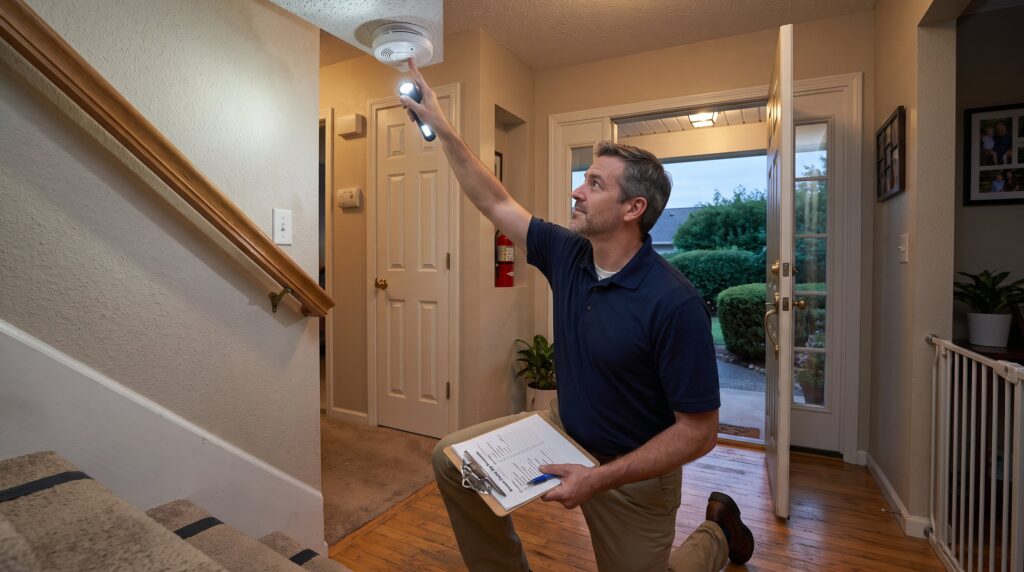
Home Safety Topics Covered by Kenneth Stevenson opens practical, evidence-based safety techniques for everyday homeowners. He (the voice used here) focuses on clear steps anyone can do this weekend: a room-by-room audit, alarm checks, and quick fixes that reduce common hazards. Readers will get checklists, honest pitfalls to avoid, and smart-technology tips that balance convenience with reliability. This article is written for homeowners who want direct, tested guidance they can act on immediately.
Key Takeaways
- Kenneth Stevenson’s home safety approach starts with a thorough room-by-room audit to identify and fix hazards like clutter, loose rugs, and poor lighting.
- Installing and regularly testing smoke and carbon monoxide alarms on every level is crucial for effective home safety.
- Securing entry points with quality locks and reinforcing door frames significantly reduces break-in risks.
- Tailoring safety measures for children, pets, and older adults—such as installing grab bars and securing chemicals—prevents common household injuries.
- Using smart home technology improves monitoring but requires regular maintenance and backups to ensure reliability.
- Consistent, simple actions like testing alarms and removing trip hazards can dramatically enhance overall home safety immediately.
Kenneth Stevenson’s Practical Approach And How To Perform A Home Safety Audit
Start with one clear fact: a simple walk-through finds the largest risks. Begin at the main entrance and move methodically through every room, stair, and exterior path. Look for three high-impact hazards: clutter that blocks exits, loose rugs that trip people, and poor lighting that hides steps.
Practical steps: list each room on paper or a phone note, mark exits, and time how long it takes to move from bedroom to exit, this exposes blocked routes. Test doors and windows for easy opening: sticky locks can delay an escape. Check stair handrails for wobble and measure light levels by trying to read a small print label at night, if you struggle, add lighting.
A vulnerability Kenneth admits: early on, he overlooked the basement breaker closet until water damage made access impossible. Lesson learned, verify access to utilities and mark them on the house plan. For a structured guide, homeowners can compare findings with the site’s DIY audit checklist in the article about the ultimate DIY skill.
Fire, Smoke And Carbon Monoxide Protection Every Household Should Know
Key fact first: alarms save lives, but only if placed and maintained. Install smoke alarms inside every bedroom and on every level: place carbon monoxide (CO) alarms near sleeping areas and at least one per floor. Test alarms monthly and replace smoke alarms at about 10 years and CO alarms at about 7 years.
Actionable items: keep a Class ABC fire extinguisher on each level, kitchen and garage are priorities. Store extinguishers where adults can reach them quickly, not behind pantry doors. Create and rehearse a two-minute escape plan with the household. Time the drill: aim to be outside in under two minutes. A useful internal reference for this is the site guide.
A caution: battery-only alarms left unchecked fail when owners forget replacements. Consider interconnected alarms or models with long-life sealed batteries for lower maintenance. For a deeper read on alarm placement and fire safety tactics, compare findings with the site’s smoke and fire guidance.
Preventing Break-Ins And Improving Physical Security
Primary insight: most intruders use unlocked or weakly secured entry points. Fit exterior doors with quality deadbolts and secure garage doors with smart or manual locks that resist forced entry. Keep windows locked and consider window sensors for ground-floor openings.
Practical upgrades: reinforce door frames with strike-plate screws at least 3 inches long, add a peephole or wide-angle viewer, and remove exterior hiding spots by trimming shrubs near entryways. Lighting matters, use motion-activated fixtures that turn on at night along paths and at entrances.
A candid note: homeowners often overinvest in cameras but neglect simple fixes, Kenneth once installed a camera and left a rotting door jamb unchanged. The camera recorded the break-in: the rot allowed it. Fix structural weak points first. For step-by-step upgrade ideas, pair these actions with the site’s article on security upgrade tips.
Safety For Children, Pets, And Older Adults
Core fact: different household members face different risks, tailor defenses. For children, remove choking and poisoning risks: for pets, secure toxic cleaners and avoid loose cables: for older adults, reduce trip hazards and improve reachability.
Concrete measures: store medicines and chemicals in high, locked cabinets: anchor tall furniture and TVs: switch to cordless window coverings to stop strangulation hazards. For older adults, add brighter bulbs, install grab bars near toilets and tubs, and place frequently used items at waist level to avoid bending. A real moment of honesty: Kenneth describes misjudging a senior relative’s balance until a minor fall revealed the need for grab bars and a second handrail.
Resources: to align a senior-focused audit with professional guidance, review the site’s senior safety assessment. These changes often cost under $200 but reduce major injury risk.
Childproofing And Senior Fall-Prevention Checklist
Immediate answer: follow this short checklist and act on the top three items first. Children: install safety gates on stairs, add window guards, anchor furniture, use non-slip bath mats, and lock cabinets with medicines and cleaners. Seniors: secure rugs with tape or nonslip pads, install grab bars, add continuous lighting for night paths, and keep shoes with good tread by the door.
Specific numbers: use safety gates with hardware mounts for steep stairs: buy bath mats rated for 300+ lb if needed: place nightlights every 8–12 feet in long hallways. Create one-page checklists for visitors and caregivers so everyone follows the same routines.
Honest warning: one inexpensive misstep is trusting adhesive-only railings, these can fail under sudden load. Prefer mechanically fastened grab bars and test them monthly. For related repair and childproofing advice from Kenneth’s perspective, see his piece on home repair guidance.
Smart Home Technology And Ongoing Maintenance Best Practices
Fact up front: smart devices improve monitoring but require maintenance. Cameras, sensors, and smart alarms extend awareness but need monthly function checks and firmware updates. Battery-backed devices help during outages.
Best practices: schedule quarterly checks for firmware and battery status, label devices by room, and record last-test dates on a central list. For critical devices like CO and smoke alarms, prefer models with sealed 10-year batteries or interconnected systems. When adding automation, avoid reliance on one system, use manual backups for locks and lighting.
An honest challenge: Kenneth once relied on cloud-only video storage and lost footage after a service change. The lesson, use local backups or a hybrid model for important recordings. For a broader smart-home approach and tips on living with devices safely, consult the site’s feature on smart home living. Also, homeowners undertaking DIY upgrades should follow basic safety fundamentals like those in the This Old House DIY fundamentals resource to avoid tool-related injuries.
Conclusion
Final insight: small, consistent actions prevent most home injuries and losses. Perform a focused audit, prioritize alarms and exits, secure weak doors, and adapt solutions for children and older adults. Kenneth’s approach is pragmatic: fix structural weaknesses first, use technology wisely, and test systems regularly. For readers wanting to understand the author behind these recommendations, the site includes a profile of him in the author page about Kenneth Stevenson. Take one action this week, test alarms or secure a loose rug, and build momentum.
About The Author

 How to Spot a Valuable Piece of Art at Auction
  How to Choose the Right Hot Water System for Your Melbourne Home
  How to Browse the Kenneth Stevenson Author Archive