
Why Reclaimed Wood Is the Smartest Choice for Your Kitchen Renovation
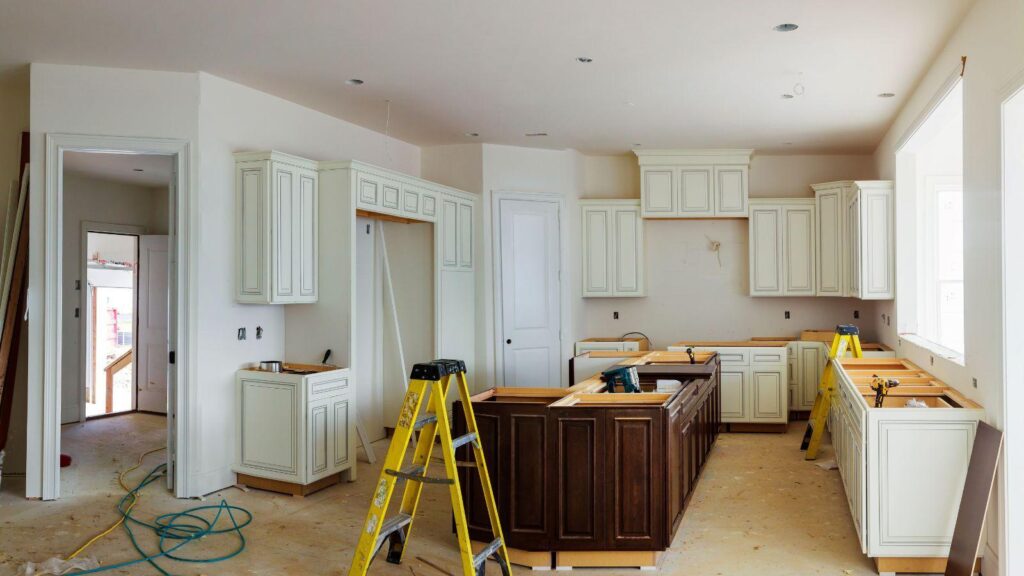
Kitchen renovations are one of the most impactful home improvements you can make. Choosing the right materials shapes not only how your kitchen looks, but also how it feels and how long it lasts. Reclaimed wood has become a popular choice for homeowners who want character, sustainability, and durability all in one.
The Appeal of Using Reclaimed Wood in the Kitchen
Reclaimed wood carries a history that new materials simply cannot replicate. Each plank or beam has its own grain patterns, color variations, and marks from decades of use. This gives every kitchen a unique identity rather than the uniform appearance that mass-produced materials tend to create.
Beyond aesthetics, reclaimed wood is a genuinely sustainable option. Instead of sourcing fresh timber, you are giving existing wood a second life. This reduces demand for new logging and lowers the environmental footprint of your renovation. For homeowners who care about responsible choices, this matters.
Aged oak in particular is highly valued for kitchen use. It is dense, naturally resistant to wear, and develops a warm patina over time. Many suppliers who work with reclaimed wood kitchen cabinets specifically source aged oak because of its proven strength and visual depth. The combination of structural reliability and visual warmth makes it well suited for a space that sees heavy daily use.
What to Consider Before Choosing Reclaimed Wood
Before committing to reclaimed wood for your kitchen, it helps to understand what sets it apart from standard materials and what practical factors to keep in mind.
Reclaimed wood requires proper preparation before installation. Good suppliers treat and dry the wood thoroughly to ensure it is stable and free of pests or moisture issues. This step is often what separates a lasting renovation from one that causes problems within a few years.
You should also think about the finish. Reclaimed wood can be left with a more natural, rustic appearance or treated to a smoother surface. The choice depends on the overall style of your kitchen and how much maintenance you are willing to do over time.
Color consistency is another consideration. Because reclaimed wood comes from various sources, no two boards look identical. This variation is part of its charm, but it is worth discussing with your supplier how they select and match pieces for a cohesive result.
Finally, consider the long-term value. Kitchens fitted with quality reclaimed wood tend to hold their appeal well. The materials do not go out of style in the way that trend-driven finishes often do, making them a practical investment for homeowners who plan to stay in their property or want strong resale value.
Reclaimed wood brings together sustainability, durability, and timeless character. For anyone planning a kitchen renovation, it is worth exploring how aged materials can turn an everyday space into something genuinely distinctive.
About The Author

 RapidHome Ready: How Newlyweds Can Tap Direct-Future Housing Options Without Getting Bogged Down In Trenches (2026 Guide)
  The Green Escape: Why Master-Planned Living is Winning Over Growing Families
  The Future of Architectural Visualization: How 3D Rendering is Transforming Real
Estate and Design
The Future of Architectural Visualization: How 3D Rendering is Transforming Real
Estate and Design