
Mold Discovered During Inspection? How to Handle Remediation During a Toronto Property Sale
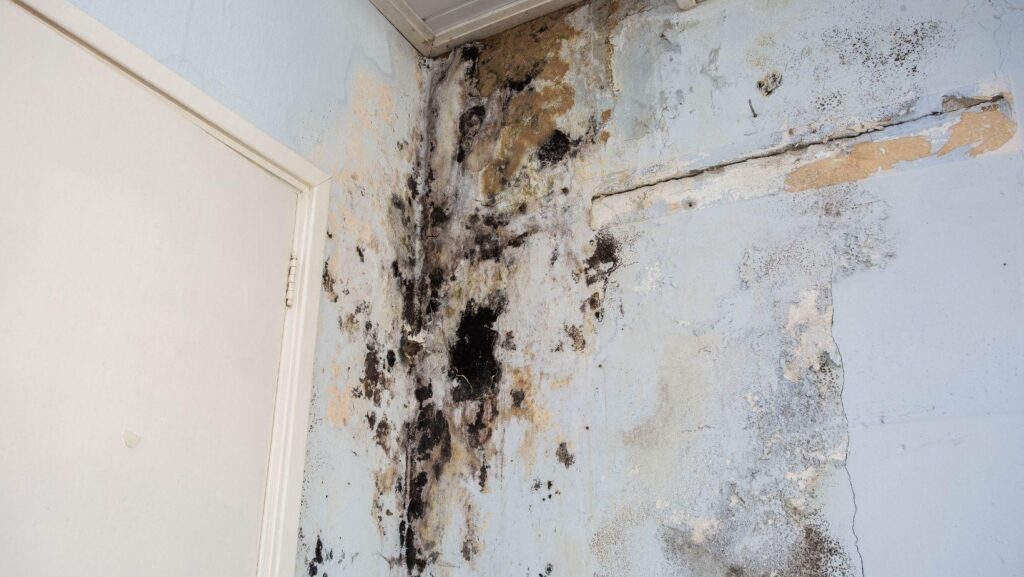
Finding mold during a home inspection is one of those moments that can shift the entire tone of a real estate transaction. What started as a straightforward sale suddenly becomes a negotiation, a timeline issue, and in some cases, a trust issue between buyer and seller.
But mold does not have to derail a deal. In fact, how you handle it often matters more than the presence of mold itself. With the right approach to mold removal in Toronto, you can protect your sale, maintain buyer confidence, and avoid long-term legal or financial consequences.
Why Mold Becomes a Deal Breaker So Quickly
Mold is not just a cosmetic issue. It signals moisture, and moisture signals risk. Buyers understand that what they see may not be the full extent of the problem. That uncertainty is what creates hesitation.
In the local housing market in Toronto, mold can directly impact property value, extend time on market, and even cause buyers to walk away entirely.
The key issue is not always the mold itself. It is the unknown behind it. Is it isolated, or is it tied to a larger issue like poor ventilation, leaks, or structural moisture?
That is why mold remediation needs to be handled strategically and professionally, not reactively or independently.
The First Step: Understand What the Inspection Actually Found
Not all mold findings are equal. A small patch of surface mold in a bathroom is very different from widespread contamination behind walls or in a basement tied to past leaks.
Inspection reports often point to indicators rather than full diagnoses. This is where many sellers make mistakes. They treat the visible issue instead of investigating the source.
In many cases, mold is classified as a latent defect, meaning it is not easily visible and can affect the safety or value of the property.
This distinction matters because latent defects carry legal obligations.
Disclosure of Mold Is Not Optional in Ontario
One of the most important realities in a Toronto property sale is that known mold issues must be disclosed. If a seller is aware of mold and fails to communicate it, there can be serious legal consequences after closing.
Ontario real estate operates on a balance between buyer due diligence and seller responsibility. While buyers are expected to inspect, sellers must disclose hidden defects that could impact safety or livability.
This is where remediation becomes more than a repair decision. It becomes a risk management decision.
Should You Fix Mold Before Listing or During the Deal?
There are two common paths sellers take when mold is discovered:
1. Address it before listing
This is often the strongest position. Completing mold removal in Toronto before buyers see the property allows you to:
2. Address it during the transaction
If mold is discovered during inspection, you may need to negotiate. Buyers may request remediation, credits, or price adjustments.
In most cases, buyers will ask for a discount if mold is left unresolved, or they may walk away entirely.
The difference between these two approaches is leverage. When you handle mold proactively, you maintain control. When you react to it mid-deal, you negotiate from a weaker position.
Why Proper Remediation Matters More Than a Quick Fix
One of the biggest mistakes sellers make is treating mold as a surface issue. Cleaning visible mold without addressing the source, often tied to moisture or past water issues, leads to recurrence.
In Toronto homes, mold is frequently connected to:
If remediation does not include identifying and resolving the underlying cause, the issue will likely return. This creates risk not just for the buyer, but for the seller if the problem reappears after closing.
Proper mold removal in Toronto should always include:
Documentation Is What Builds Buyer Confidence
Buyers are not just looking for a mold-free home. They are looking for reassurance.
Providing documentation from professional mold removal in Toronto shows that the issue was handled correctly. It removes uncertainty and helps prevent further negotiation.
In fact, pre-listing inspections and documented repairs can improve buyer confidence and even give your property an advantage in the market.
Without documentation, even a properly fixed issue can raise doubts. Buyers may assume the problem was handled poorly or incompletely.
Strategically, Mold Can Be Used as a Negotiation Tool
Handled correctly, mold does not have to be a liability. It can be a point of transparency that builds trust.
When sellers acknowledge the issue, address it professionally, and provide clear documentation, they position themselves as credible and proactive. This can actually strengthen negotiations rather than weaken them.
On the other hand, attempting to hide or minimize mold almost always backfires. Mold is one of the most common issues discovered during inspections, and once trust is broken, deals become harder to close.
A Smarter Way to Approach Mold During a Property Sale
The real takeaway is that mold is not just a property issue. It is a process issue.
How you respond determines whether it becomes a deal breaker or a manageable step in the transaction.
In a market like Toronto, where older homes, basements, and seasonal moisture are common, mold is not unusual. What matters is how it is handled.
By approaching mold removal in Toronto as part of a broader strategy that includes disclosure, proper remediation, and documentation, you can protect your sale and move forward with confidence.
Because in real estate, it is rarely the problem itself that kills the deal. It is the uncertainty around it.
About The Author

 How Landscaping Mulch Can Improve Soil Health, Moisture, and Curb Appeal
  Understanding Load Calculations Before Expanding Your Property
  How Epoxy Flooring Improves Busy Commercial and Industrial Spaces?